
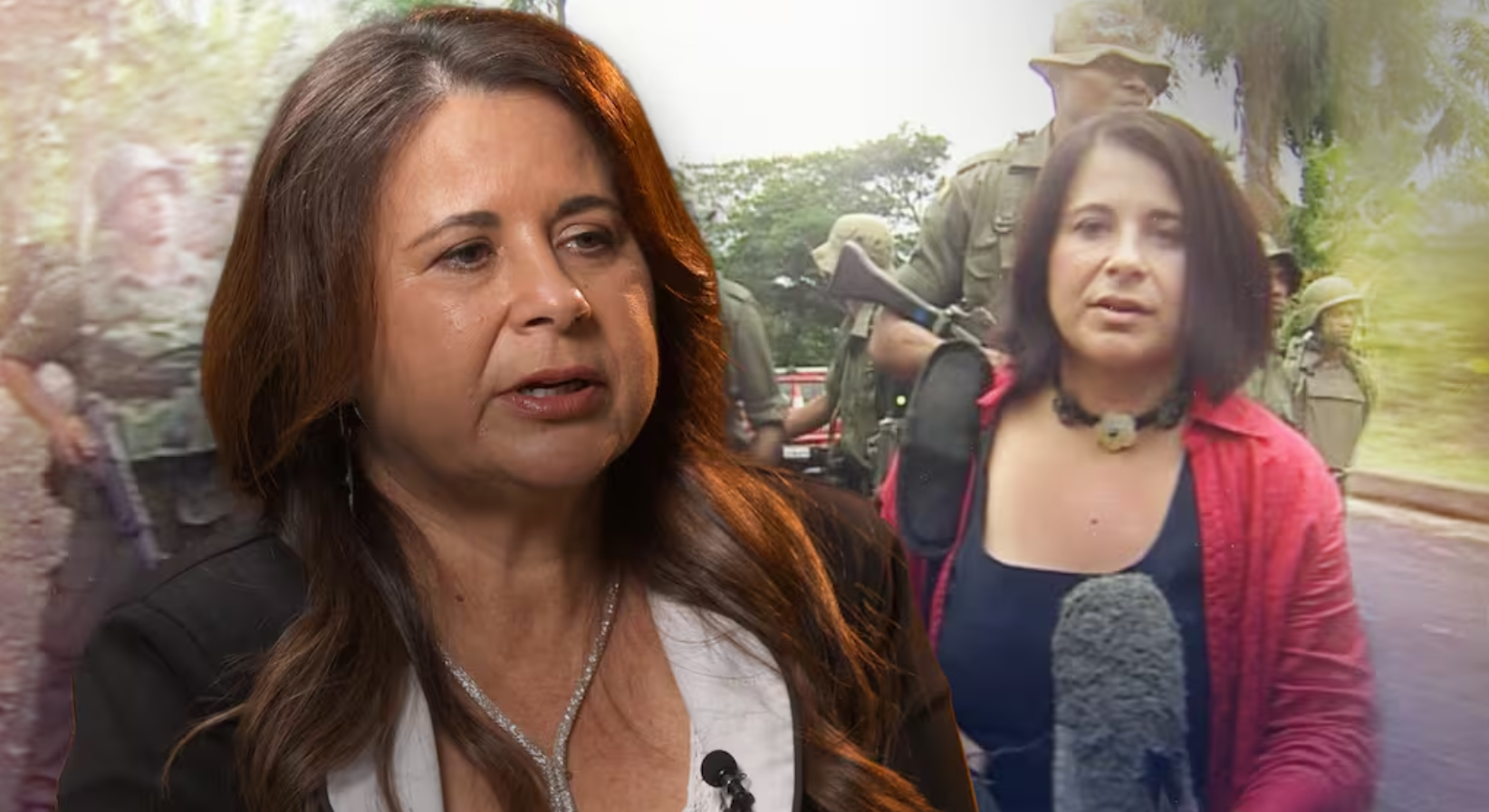
Veteran Pacific journalist Barbara Dreaver has revealed the tense moments she was detained and refused entry into Fiji during the military regime in 2008, recalling the night she feared possible military interrogation.
In an extract from her new memoir Be Brave, Dreaver describes how she was stopped by immigration officers upon arriving at Nadi International Airport while travelling to report on the expulsion of New Zealand’s acting High Commissioner, Caroline McDonald.
“‘You’re being denied entry,’” Dreaver recalls an immigration officer telling her shortly after she landed. “The Fijian immigration officer looked at me grimly and I felt my throat catch.”
At the time, Dreaver said she suspected she might face difficulties entering the country because of her reporting on the military government led by Commodore Frank Bainimarama.
“I knew that when Mike Field had been refused entry earlier, he had been deported. It made sense that I might also be on the military regime’s hit list,” she wrote.
Dreaver quickly contacted her newsroom in New Zealand, informing her editor that she had been denied entry and would be placed in a detention facility until the next available flight.
“They’re putting me in a detention centre until the first flight tomorrow,” she said in the phone call.
She was escorted by immigration officers to a guarded compound near the airport, where she was placed in a room with barred windows overlooking a large metal gate.
“I was led upstairs to my room. There were bars on the window and a pane of glass in the door,” she wrote.
Concerned about her safety, Dreaver said she immediately began contacting colleagues, journalists and family members to ensure news of her detention was widely known.
“I knew my safety depended on as many people as possible hearing about my detention,” she wrote.
The situation intensified when a contact in Fiji informed her that the military’s media liaison officer at the time had been unsympathetic to requests for her release.
“She deserves everything that’s coming to her tonight,” the officer reportedly said when asked to intervene.
Dreaver said the comment heightened fears that she might be taken to a military camp, amid widespread reports at the time of intimidation and abuse against critics of the regime.
“I had heard how people who went up against the regime were taken to a camp and tortured,” she wrote.
Despite the fear, Dreaver said she prepared herself mentally for whatever might happen.
“If I was told to strip I wanted to be able to look the soldiers in the eye and be strong,” she recalled.
By the following morning, immigration officers transported her back to Nadi Airport where she was placed on a flight to New Zealand, ending the overnight detention.
“As the plane lifted off, there were a few quiet tears,” Dreaver wrote. “It hit me that being on a banned list meant I could no longer cover a country I loved.”
Extracted with permission by 1NEWS from Be Brave: The Life of a Pacific Correspondent, by Barbara Dreaver

