
From the Nausori–Wainibokasi Highway, a quiet turn onto Vuci Rd leads travellers away from the hum of traffic and into another world.
Finally, the road winds gently through thick bamboo groves and patches of forest before revealing one of Fiji’s most secluded Hindu sacred sites – Nagg Baba Kuti.
Perched on a forested hill a few kilometres from the main road, the place is wrapped in an almost sacred silence.
The rustle of bamboo in the wind, the murmur of small forest streams and the songs of unseen birds combine to create a setting that feels both peaceful and ancient.
For a visitor unfamiliar with Hindu worship, a temple might first appear to be just another structure of wood, cement and iron.
But standing within the grounds of Naag Baba Kuti, it becomes clear that the place offers far more than physical structures.
The surrounding forest and the stillness of the hill invite quiet reflection, drawing visitors into a deeper awareness of the divine.
The site itself carries a long and meaningful history.
Naag Baba Kuti is believed to have been established during the time of the Girmitiyas, indentured labourers who arrived in Fiji from the Indian subcontinent.
Spread across the hillside, the complex includes a series of shrines dedicated to different Hindu deities. Over the years it has become a place where devotees come seeking blessings, healing and fulfilment.
“It is believed by many members of the Hindu community in Fiji that wishes made here can be granted,” said Richard, the son of the caretaker, Lata, who has spent the past 18 years looking after the sacred grounds.
“All that is needed is a clean heart, a pure state of mind and you must not take meat before coming here.”
My own visit happened on a quiet Thursday. There were no devotees, no chanting, no incense drifting through the air – only the forest and the sound of my own footsteps.
The emptiness made the experience feel both eerie and strangely intimate.
Visitors are expected to observe a code of conduct. As with most sacred places, respect is essential. Certain items are not permitted within the shrine areas, especially substances that may stain the cloth coverings draped around the idols or cause fire.
Growing up in a Christian household, I had always been curious about Hindu deities and their striking forms, from the elephant-headed Lord Ganesh to the blue-skinned Krishan and Rama, avatars of Lord Vishnu, one of Hinduism’s principal deities.
Because of the annual Diwali celebrations in Fiji, the deity I recognised most easily was Lakshmi the four-armed goddess of wealth who is often depicted seated upon a red lotus.
Walking through the grounds of Naag Baba Kuti offered the chance to learn about many more.
The first structure that greets visitors at the entrance is an imposing white building believed to house the tombs of the site’s three original founders, men who arrived in Fiji during the indenture period.
Some accounts suggest they may have had links to the ill-fated ship Syria, which wrecked off the coast of Nasilai in 1884. Survivors of that tragedy are believed to have carried sacred figurines across the kala pani, the “black waters” separating India from Fiji – and established a place of worship here.
“In those days the altars were built from mud,” Richard explained.
“The founders did quite a lot to develop this place as a space for worship and meditation.”
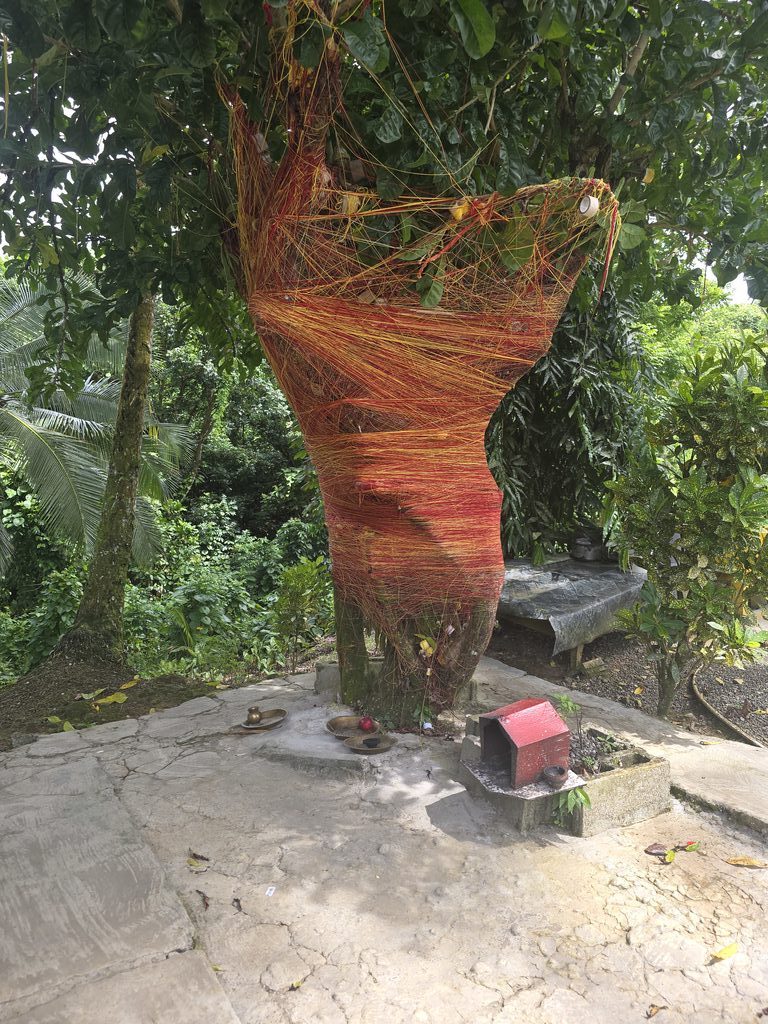
One of the most intriguing features of Naag Baba Kuti is its Wish Tree. Bright strands of cotton, usually red, yellow or orange , are tied around its trunk and branches. Devotees circle the tree an odd number of times- three, five or seven while making a wish.
The threads symbolise protection and faith. Some pray for employment, others for success in school, good health, or a life partner.
“People come here from all over Fiji and even overseas,” said Doreen Singh, a descendant of one of the families who helped develop the site in later years.
“They come seeking healing, peace and happiness.
“And everything here is free. It is not exactly a mandir – it is simply a place to pray, meditate and be close to god.”
Further down a flight of stone steps lies a small pool where the Naag, the serpent deity, is worshipped.
Unlike the brightly painted statues elsewhere in the complex, the snake idol has a more austere appearance, its stone surface weathered by time.
Beside the flowing water stands a black Shiva Lingam, representing the infinite and formless nature of Lord Shiva.
The midday sun was fierce, and the cool water was irresistible. I washed my face and took a sip from the stream that ran beside the shrine, a small moment of relief beneath the burning sky.
Climbing higher into the complex meant tackling what seemed like an endless series of steps leading to several other shrines, including one dedicated to Lord Hanuman, the monkey-god known for his strength, loyalty and devotion.
Seeing Hanuman stirred childhood memories of Diwali stories and the epic Ramayana, where he played a crucial role in helping Lord Rama rescue Sita from the demon king Ravana.
After making my way around the entire complex – circling the shrines and climbing the hill, I realised I had completed 108 steps around the sacred grounds and visited all 16 shrines scattered across the hillside.
By then I was exhausted, but also quietly impressed by the journey.
Three years earlier, I had visited the Naag Mandir in Nagigi, Labasa. This visit to Naag Baba Kuti felt like another small step toward understanding a faith that is an important part of Fiji’s cultural fabric.
In a country as diverse as Fiji, learning about other religions is more than curiosity – it is essential. Understanding builds respect, reduces prejudice and strengthens the spirit of coexistence that defines a truly multi-racial and multi-faith society.
Yesterday, that spirit was clearly visible as Hindu devotees gathered at Naag Baba Kuti in large numbers, offering prayers beneath the forest canopy where faith, history and nature meet in quiet harmony.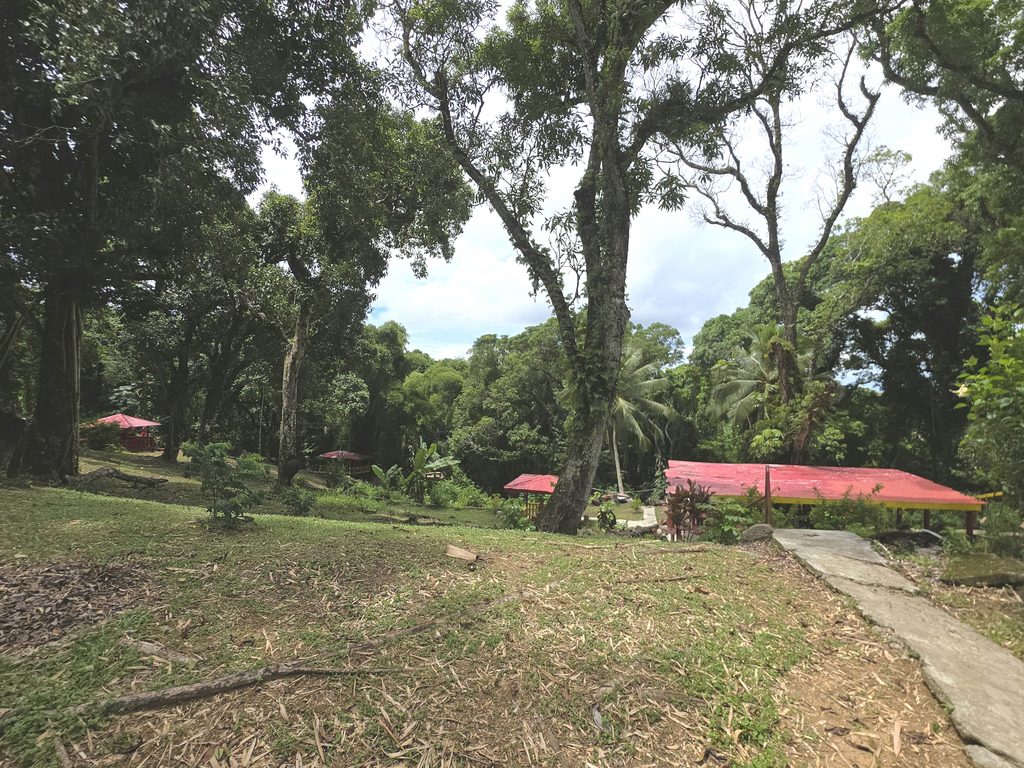
A shot of the shrines from the hilltop. Picture: JOHN KAMEA
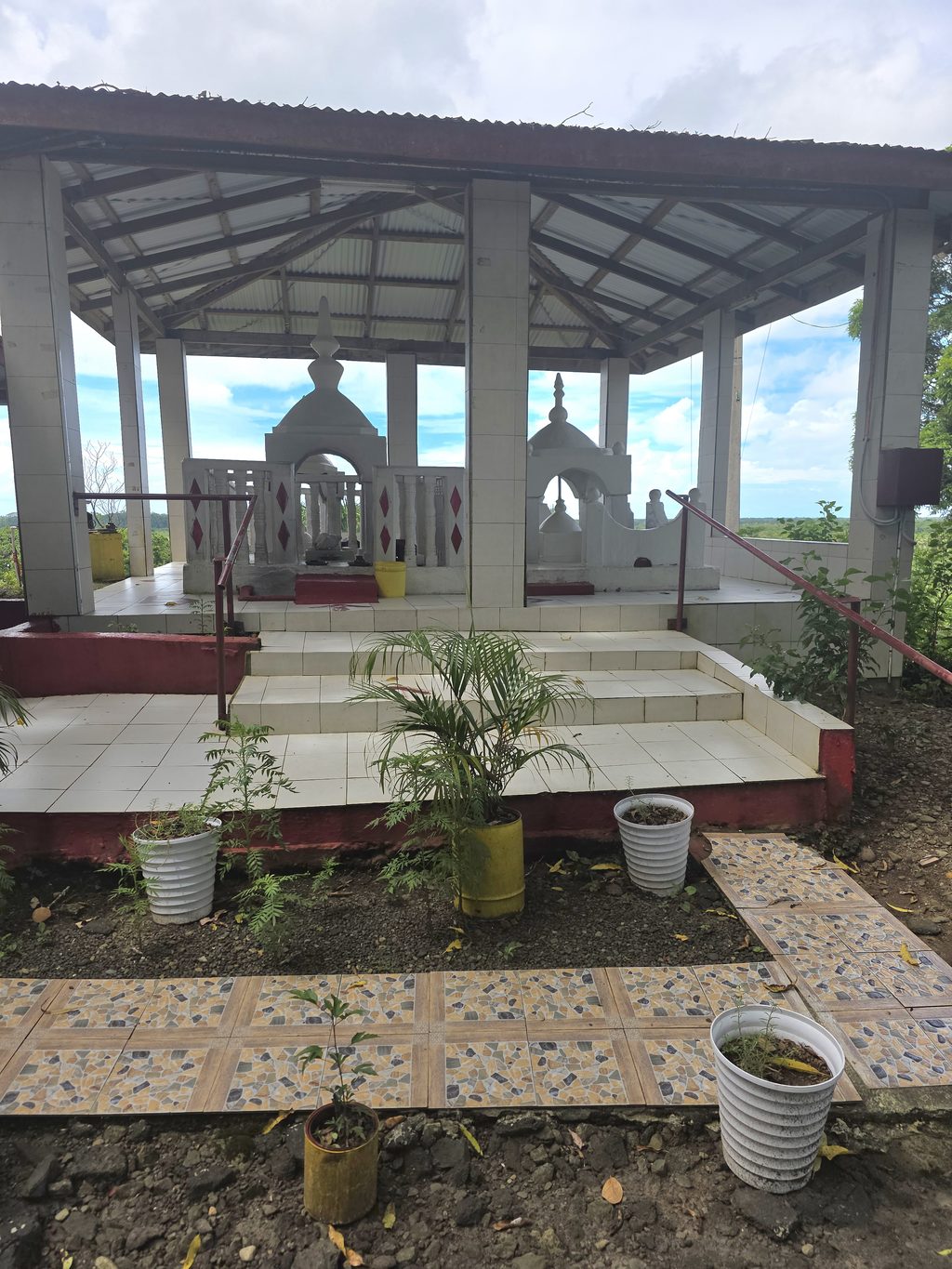
The first shrine honouring the three founding gurus of Naag Baba Kuti.
Picture: JOHN KAMEA
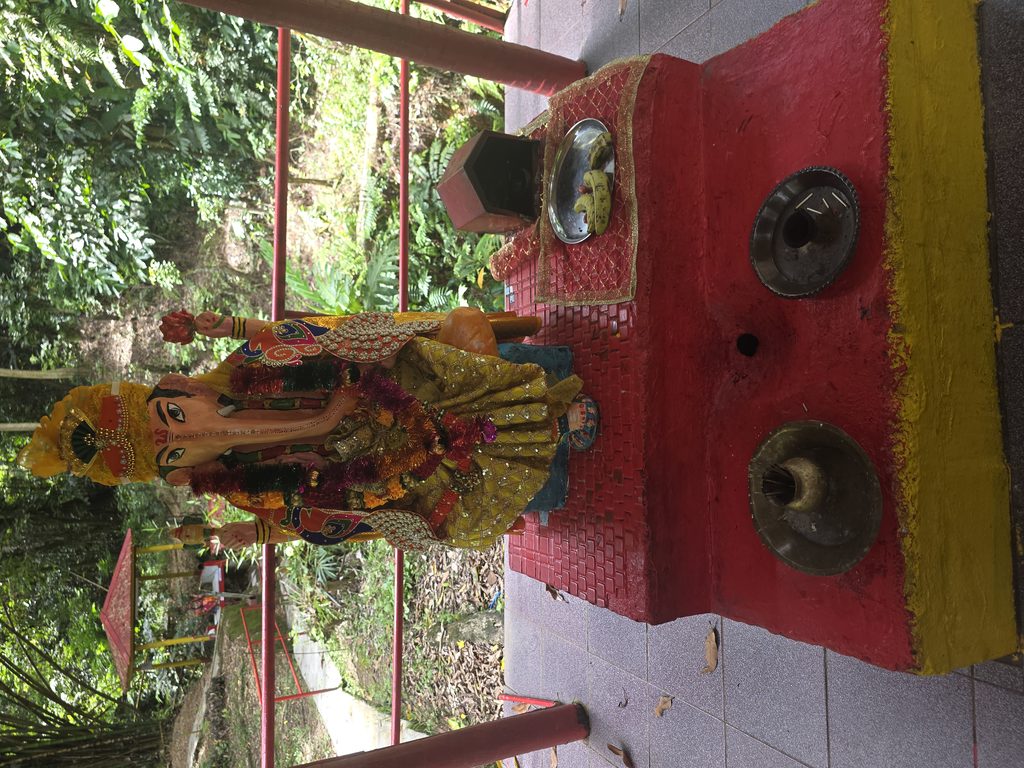
Lord Ganesh’s shrine. Picture: JOHN KAMEA
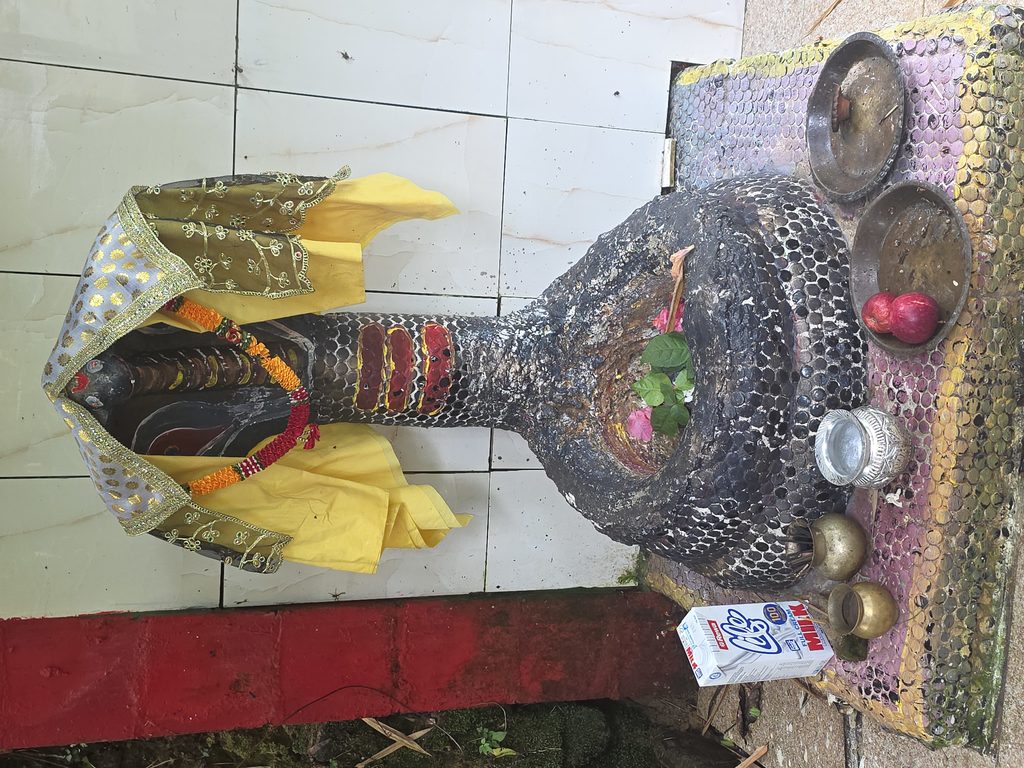
The shrine of the snake deity, Naag. Picture: JOHN KAMEA
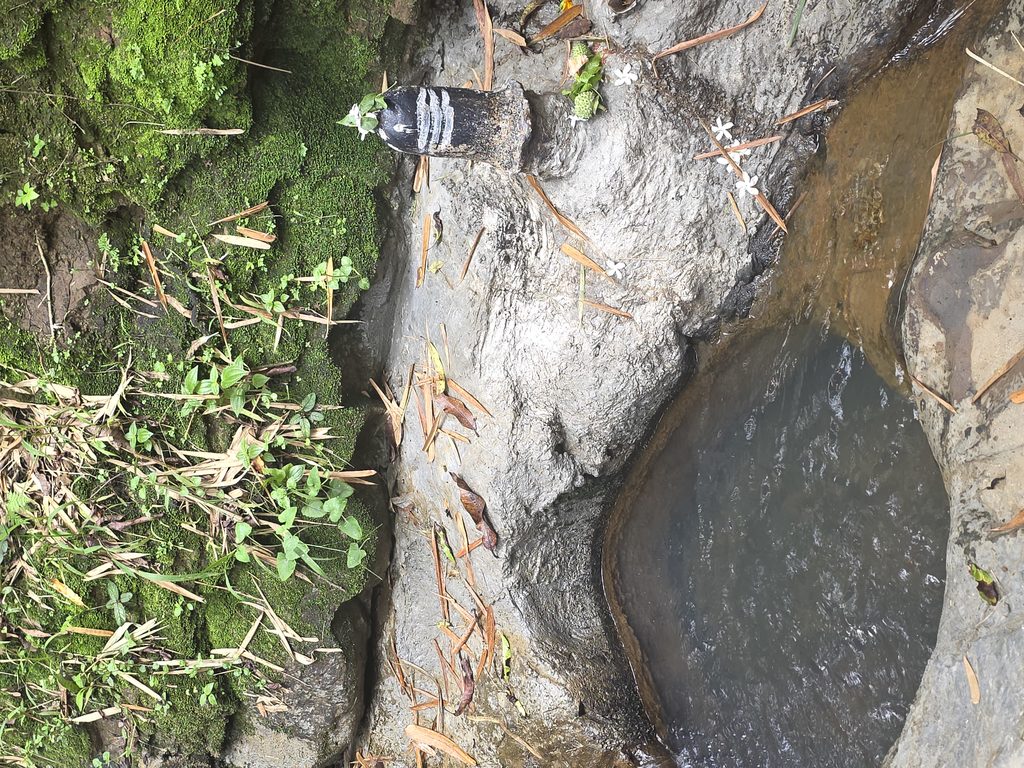
Shiva Lingam beside a pool. Picture: JOHN KAMEA
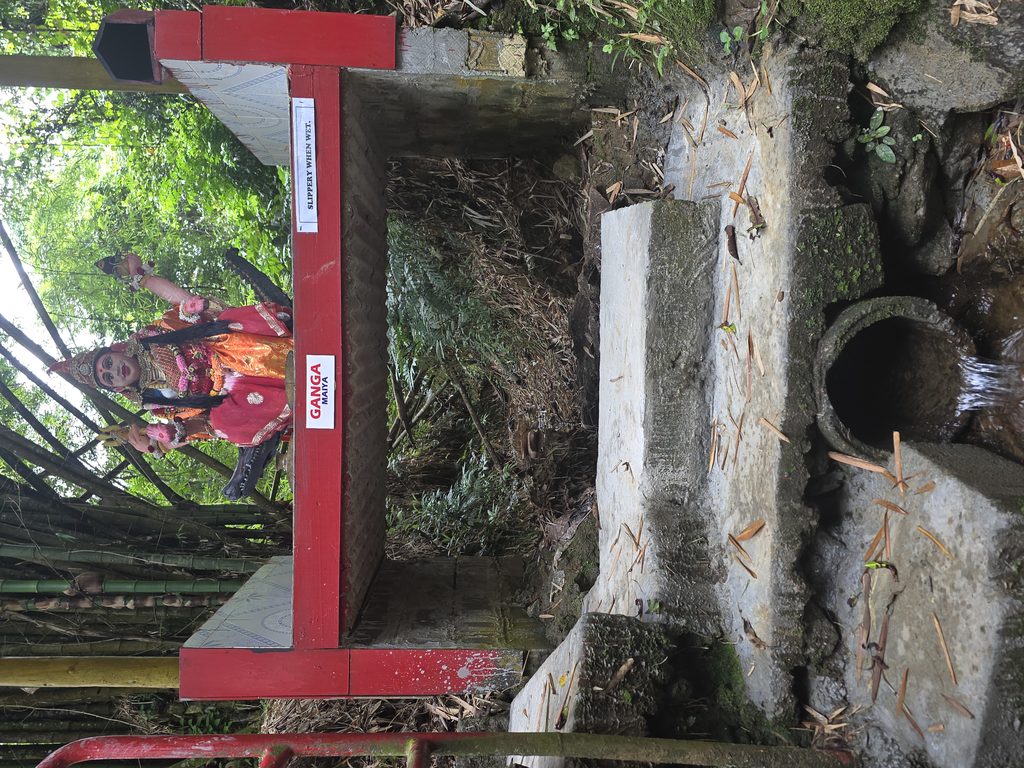
The shrine of the deity the controls natural water sources. Picture: JOHN KAMEA
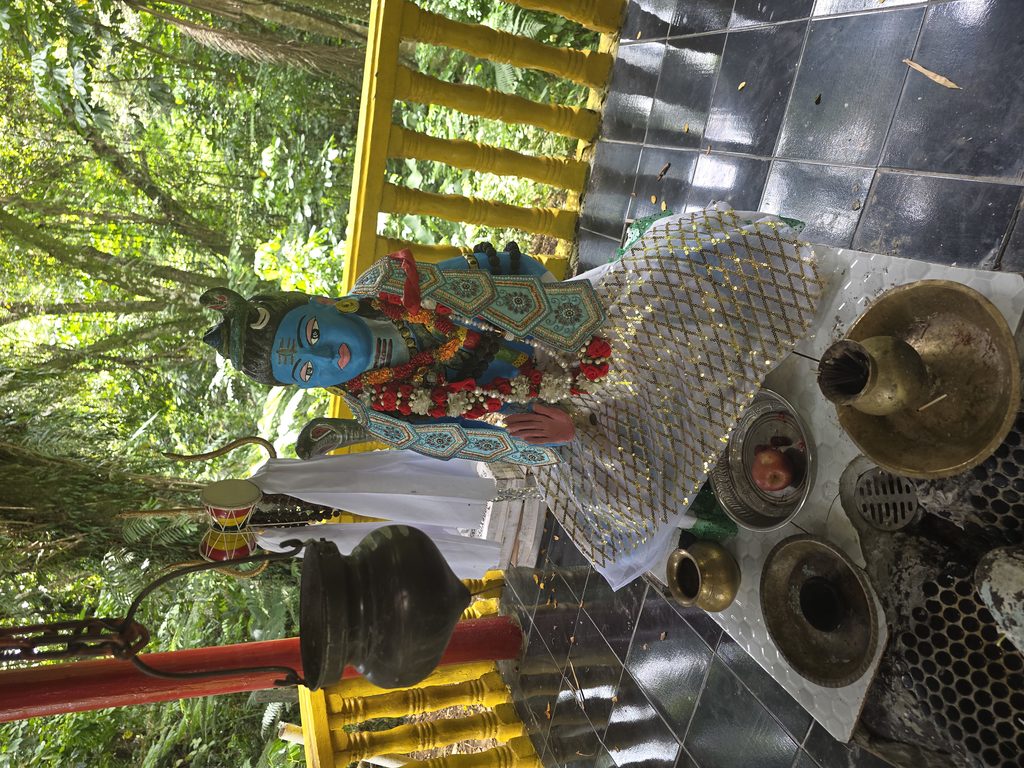
An avatar of Vishnu the creator.
Picture: JOHN KAMEA
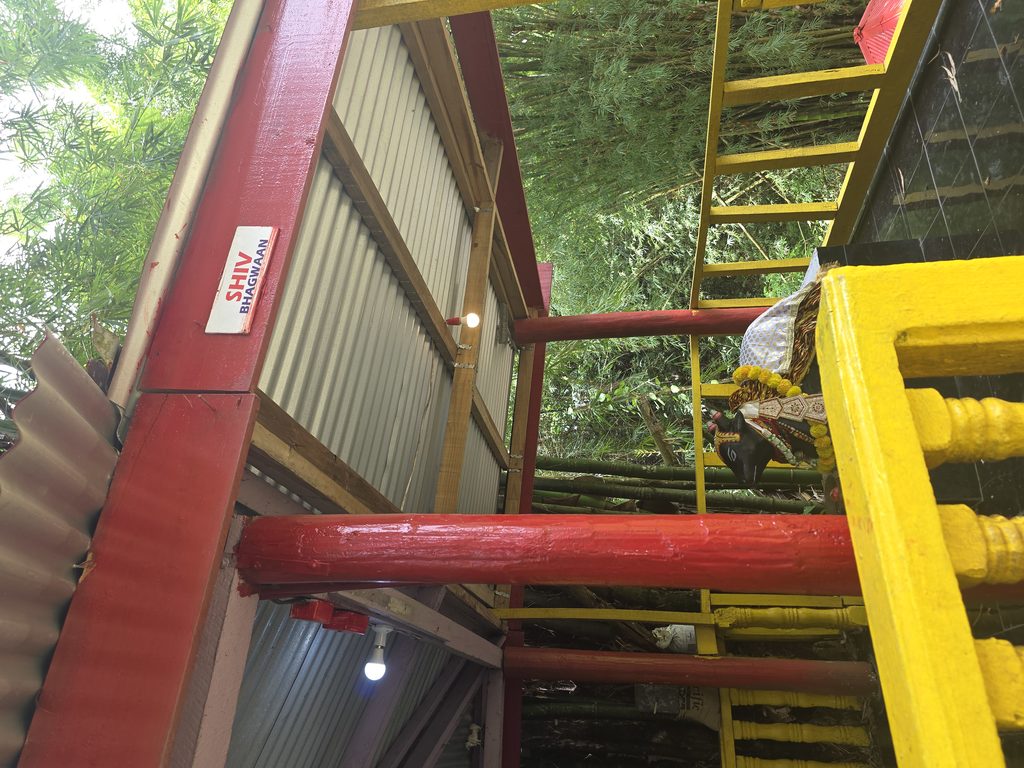
Shiv Bhagwaan shrine. Picture: JOHN KAMEA
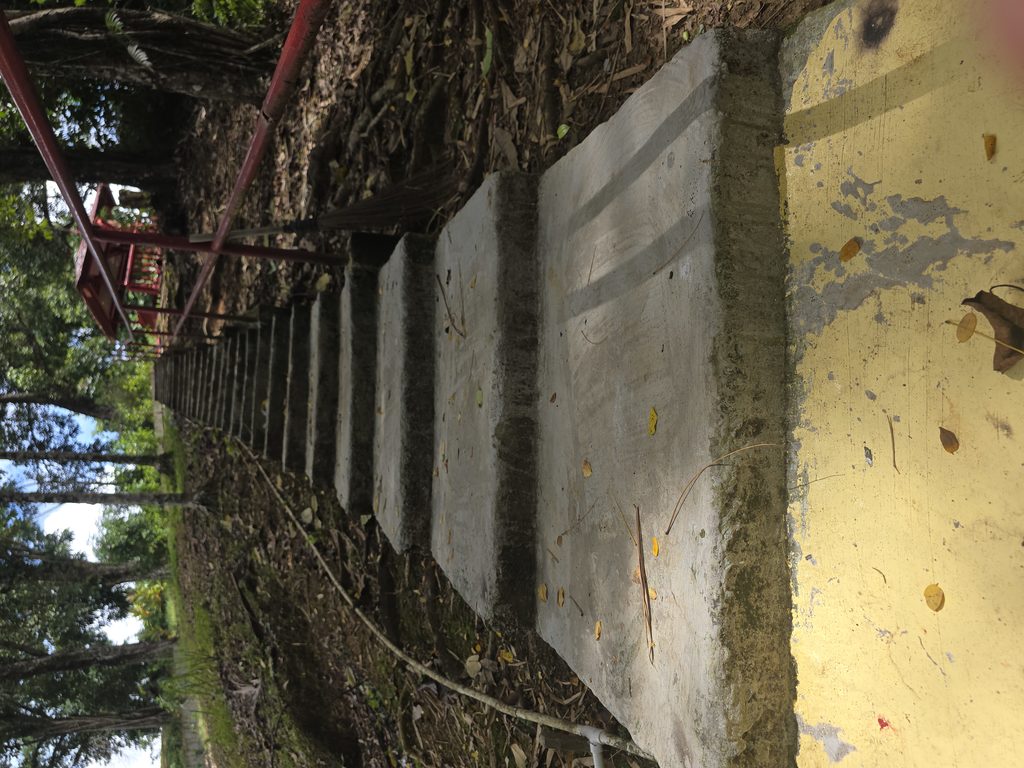
An ascending flight of steps. Picture: JOHN KAMEA
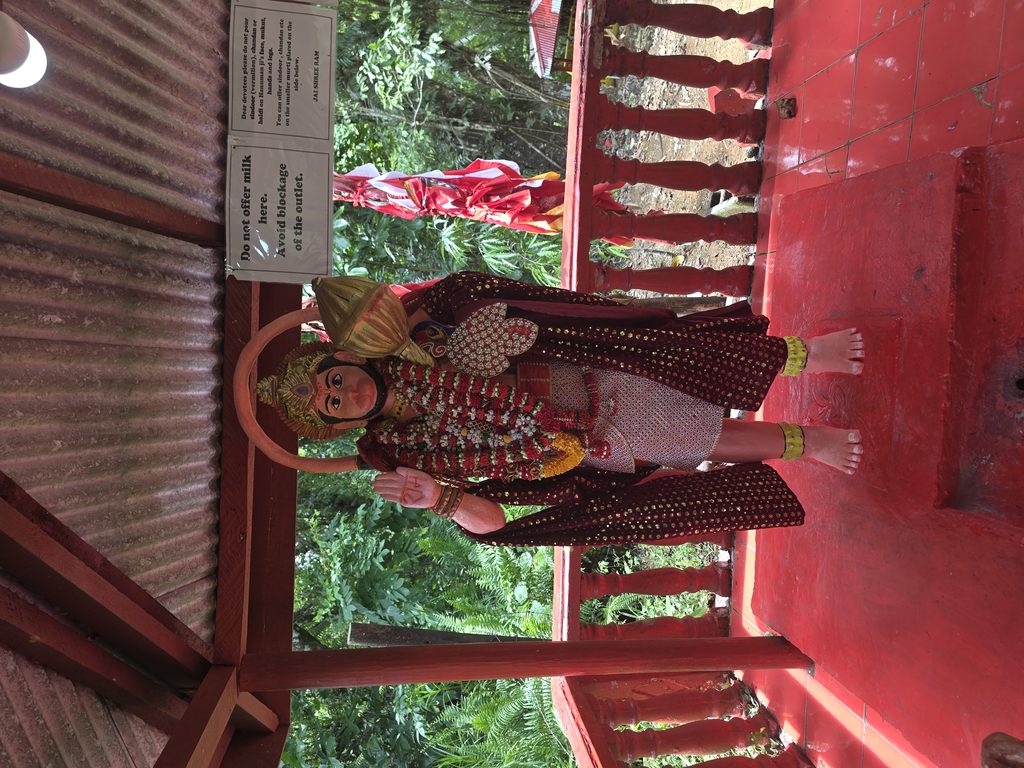
Lord Hanuman shrine. Picture: JOHN KAMEA

