
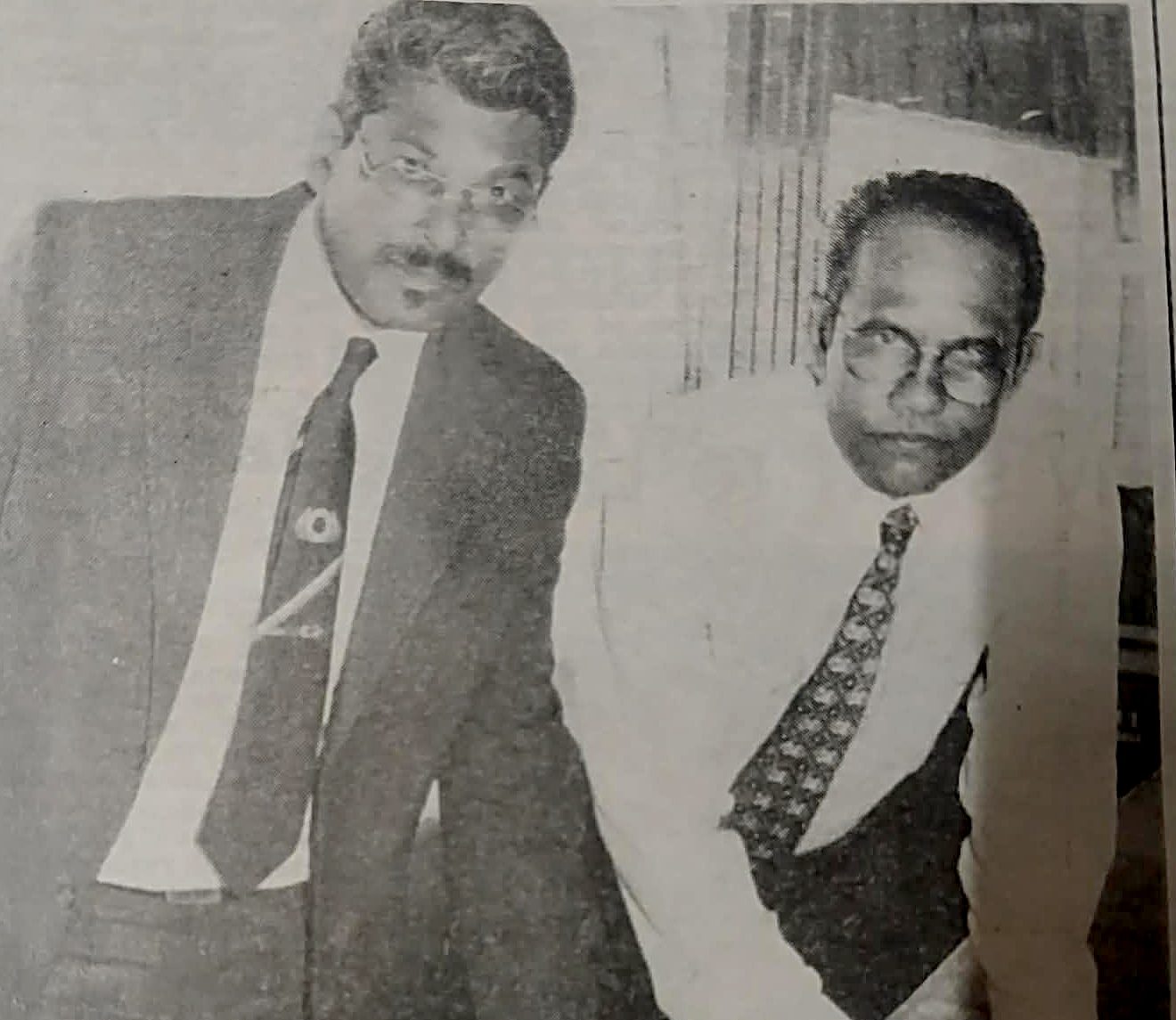
In May 1996, teaching in Fiji was celebrated as a noble profession, despite the challenges educators faced.
On May 3, The Fiji Times reported that at the annual general meeting of the Fiji Teachers Union in Nasinu, then Education Minister Joeli Kalou urged teachers to uphold the highest standards of professionalism and dedication.
Opening the four-day conference, which drew 850 members under the theme “The Role of Trade Unions in the Development of Education,” Mr Kalou stressed that responsible unionism extended beyond salary negotiations.
“Union must be mindful of the fact that they also have a responsibility to the community to see that teachers maintain the highest standards possible in terms of dedication and commitment to duty, as well as to professionalism. They are duty bound to this,” he said.
He acknowledged that while many teachers were a credit to the profession, some brought it “dishonour and disgrace”.
Mr Kalou cautioned that it would be a misuse of expertise, experience, and resources if unions confined themselves solely to issues of pay, promotions, and working conditions. Instead, he highlighted the FTU’s vital role as a non-governmental organisation in safeguarding and promoting education in Fiji.
The minister described the push to re-examine unions’ role in education as a signal of a new, collaborative phase between the unions, the Ministry of Education, and local communities.
“My ministry has an open-door policy for the two teachers’ unions who are invited to participate regularly in post-processing, job evaluation exercises and on matters relating to the professional growth and welfare of teachers,” he had said.
The report from 1996 underscored that beyond policy debates and negotiations, the heart of education rested on dedication, professionalism, and service — principles that continue to guide Fiji’s teaching community today.

