
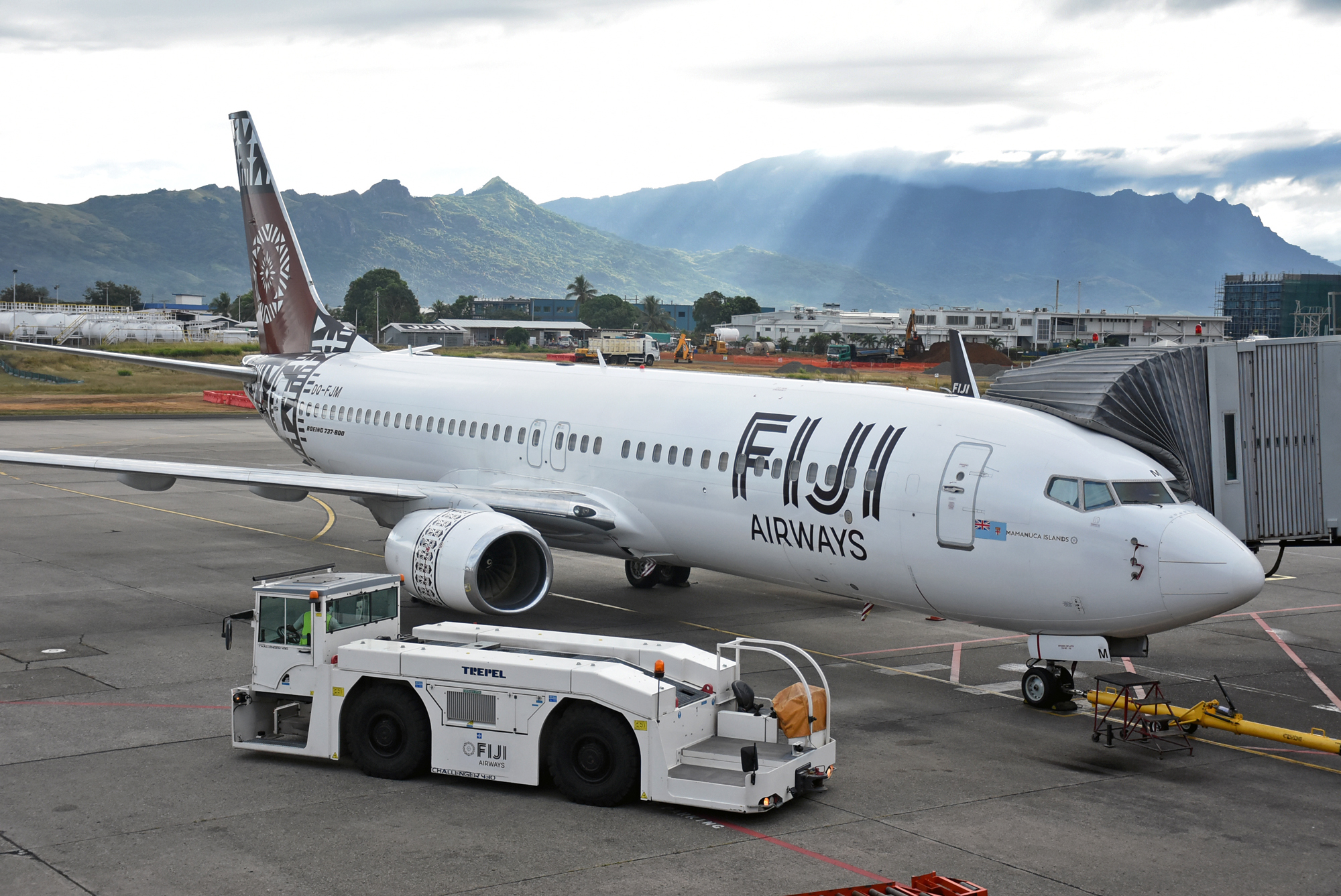
NATIONAL airline Fiji Airways is likely to adjust their ticket prices amid growing concerns over high jet fuel prices driven by the conflict in the Middle East.
In a statement to this newspaper, the airline explained it was closely monitoring the recent volatility in global jet fuel markets.
“Fuel is one of the largest operating costs for airlines, and sudden increases place pressure on operational sustainability,” the airline stated.
“Like airlines globally, we are actively managing these pressures through efficiency measures, careful network planning, and fuel procurement strategies.
“However, if elevated fuel costs persist, it is likely that we will need to adjust ticket prices to ensure the continued sustainability of our operations and maintain safe, reliable services for our passengers.”
The airline highlighted its vital role in the tourism industry and why it remained committed to maintaining Fiji’s connection to the rest of the world.
“Tourism is a vital part of Fiji’s economy, and as the national airline, we play a key role not only in supporting this sector but also in connecting Fiji with our Pacific neighbours, fostering trade, cultural exchange, and regional connectivity.
“Our priority remains keeping Fiji accessible and competitive as a destination while continuing to provide the high level of service our customers expect. We will provide updates as necessary and encourage passengers to check our website or contact our customer service team for the latest information on flights and fares.” According to the International Air Transport Association (IATA) which Fiji Airways is a member of, the strategic targeting of the Strait of Hormuz where 20 per cent of the world’s oil supply passes through has made it 70 to 80 per cent impassable, creating immediate implications for refined products such as jet fuel.
Europe, it said, was among the most exposed, with 25 to 30 per cent of its jet fuel demand originating from the Persian Gulf.
“The sudden withdrawal of shipping capacity and the sharp rise in insurance premiums have tightened availability, pushing jet fuel cracks and product premiums sharply higher amid mounting concerns over physical shortages,” an IATA update stated.
“The aviation industry, unable to substitute jet fuel at scale, remains at the sharpest edge of the disruption, making policy intervention essential.
“In the longer term, accelerating sustainable aviation fuel development and reinforcing supply chain redundancy will be critical to reducing exposure to shocks of this magnitude.”

