
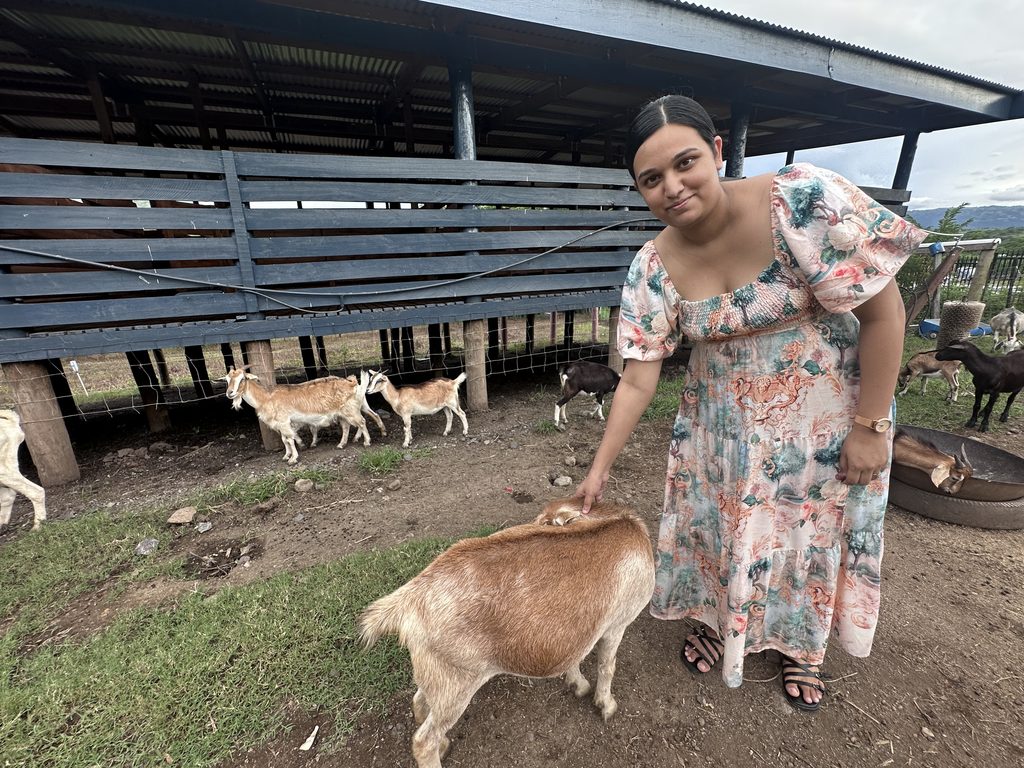
On a hillside farm in Balata, Tavua, Zabeen Rukshar Khan swings onto her quad bike and rides across the paddocks where her goats graze under the wide western sky.
At just 29 years old, she is already a two-time National Woman Goat Farmer of the Year Winner and the owner of Khan Farms, proving that agriculture is no longer just the domain of those born into farming families.
But Mrs Khan’s journey into agriculture began in a very different world.
With a degree in hospitality and hotel management, she spent years working in tourism, including six years at the vibrant Hard Rock Café in Denarau. The fast-paced industry, filled with music, international visitors and lively conversations, was where she expected her future to unfold.
“It was exciting,” she recalls.
“The people you meet, the conversations, the atmosphere. I loved working in tourism.”
Life shifted after she met her husband during the COVID period and moved to Tavua. At the time, the family kept a small herd of goats, about 15 to 20 animals, more of a small-scale activity than a business.
“In the beginning, I had to learn everything,” she said.
“Even the smell of goats was something I had to get used to.”
Today, that small herd has grown into a thriving enterprise of around 150 goats, with 40 to 60 sold each year, often fetching $250 to $350 per animal through farm-gate sales.
“The smell of goats? That smell is money.”
But success didn’t come easily.
Goat farming demands technical knowledge. Parasites such as lungworms, heartworms and intestinal worms can devastate herds if farmers are not vigilant.
“We can lose up to 80 per cent of our stock if parasites are not managed properly.”
Determined to protect her animals, Mrs Khan spent hours learning from veterinarians, studying symptoms and treatment methods.
“It took about a year to really understand goats,” she says. “You learn by observing them, checking their eyes, their gums, their behaviour.
When animals get sick, it’s traumatic. You don’t want to see them suffer.”
Her farm has also faced dangers beyond disease.
Stray and hunting dogs roaming cane fields have attacked livestock. In one devastating incident early in her journey, 12 goats were killed overnight.
“That was heartbreaking. But experiences like that teach you to be proactive.”
Fire is another constant risk in Tavua’s dry climate.
During droughts, grass fires can spread quickly across farmland. To reduce the risk, Zabeen clears the areas around the paddocks and rides her quad bike through the grass to prevent fuel build-up.
The quad bike has become one of her most valuable tools, helping her manage the farm’s 101 acres, where 30 acres are fenced paddocks, and the rest supports free-ranging goats.
“For women especially, moving around large farms can be difficult. The quad bike helps me check fences, monitor the herd and respond quickly if something is wrong.”
Despite the mud, rain, heat and physical work, Mrs Khan has embraced the lifestyle fully.
“At first I thought farm life was a downgrade. But it’s an upgrade. You are your own boss. You control your own time, and I get to watch my son grow.”
Her success has also challenged stereotypes about women in agriculture.
“There is still stigma. People don’t expect women to lift goats or do heavy farm work. But if you decide to be strong, you can do it.”
Chief Agricultural Economist Sainiana Kirisitiana from the Ministry of Agriculture, Waterways and Sugar Industry say women like Zabeen represent a powerful opportunity for Fiji’s agricultural future.
“When women are given access to information, finance, land and markets, the impact is enormous,” she says. “Women ensure that food is on the table and income is available for the household. Supporting women farmers strengthens food security and helps reduce poverty across communities.”
Yet many women still lack access to the knowledge and resources needed to succeed.
“When we close those gaps and provide platforms and support, women can drive real transformation in agriculture,” Ms Kirisitiana adds.
Mrs Khan’s story reflects the growing role of women in Fiji’s primary industries, a theme that will take centre stage at the 2026 National
Women in Agriculture Symposium, supported by the World Bank ENABLE Program held this week, highlighting how women farmers, fishers, processors and foresters are driving value creation, accessing markets and strengthening sustainable livelihoods.
The recognition she has received, including winning the National Woman Goat Farmer of the Year Award twice, is motivating.
“It pushes you to work harder and do even better the following year.”.
But her greatest passion is encouraging other young women to see farming differently.
“You don’t always have to follow the normal path, school, job, office. There are many ways to build a life.”
Her advice is simple: start small, stay disciplined and be prepared to work.
“Even small progress is still progress. Don’t expect things to be handed to you. You must show commitment and invest something of your own first.”
“People don’t realise how important farmers are. Without farmers, there would be no markets, no restaurants, no supermarkets.”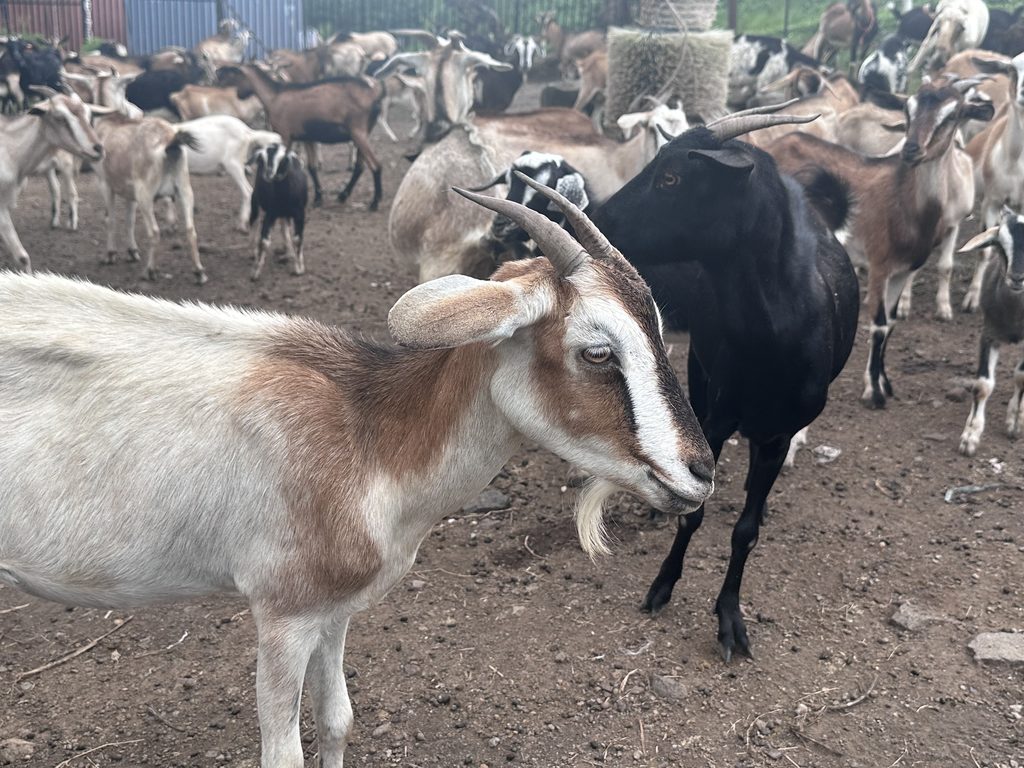
Picture: SUPPLIED
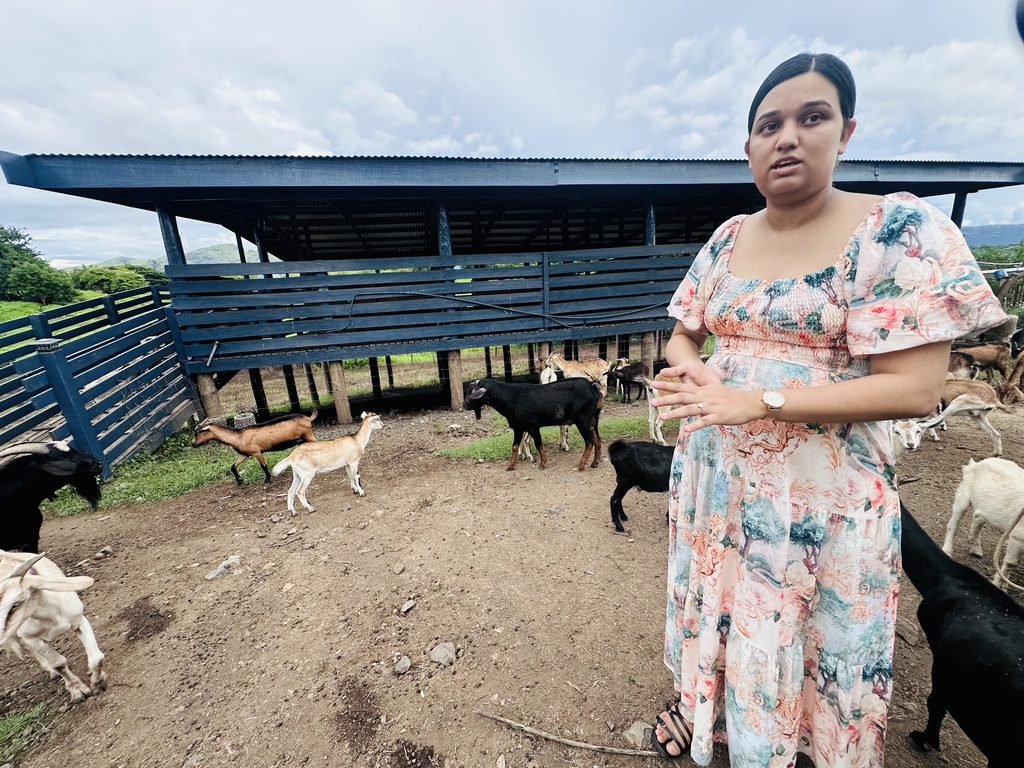
Thriving in farming, with a simple mix of discipline, hard work, and the pursuit of knowledge about goat farming. Picture: SUPPLIED

