
Fiji has a limited fiscal space and it poses a challenge for the Government on how much more it can spend in the next couple of financial years given its very high debt level.
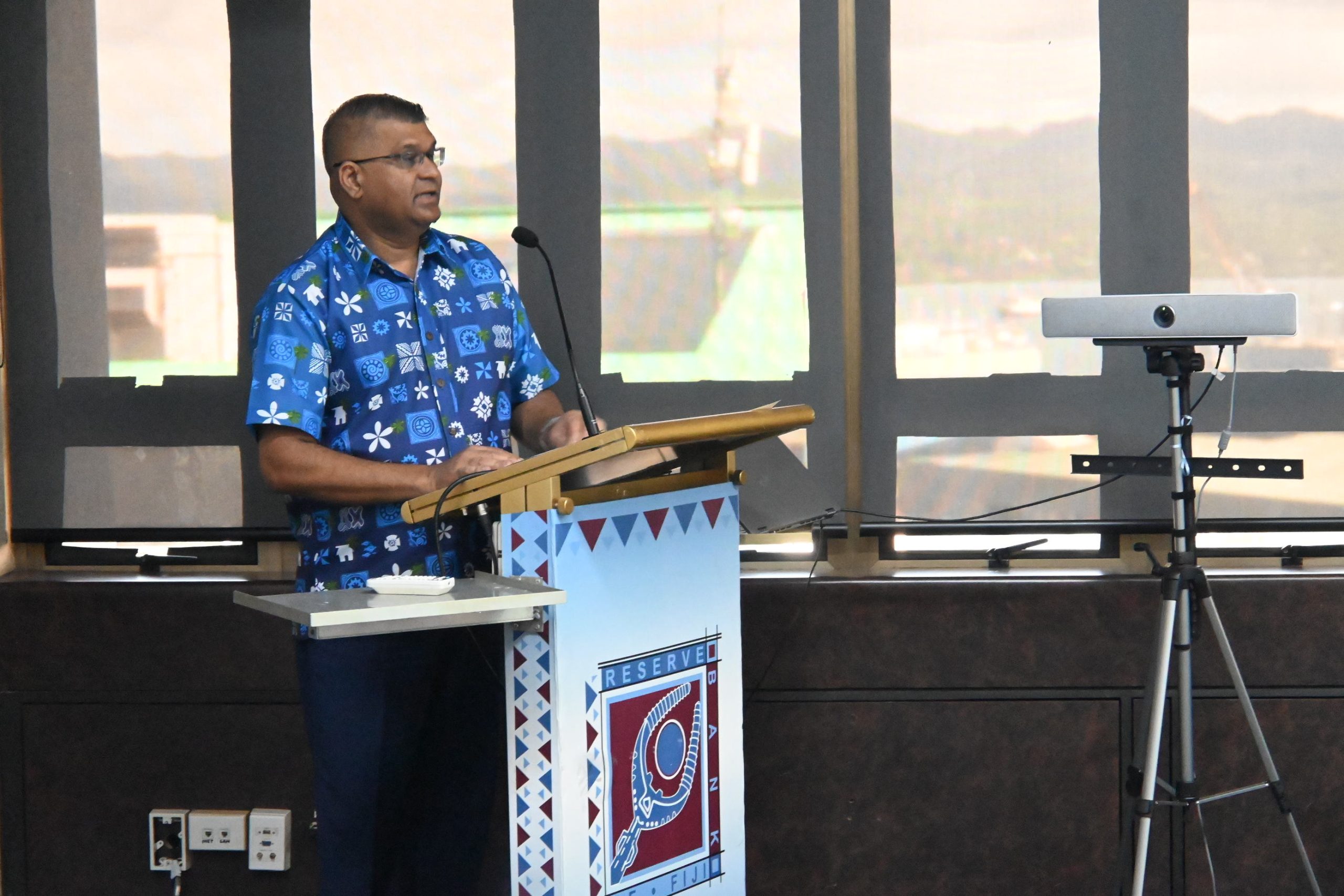
Reserve Bank of Fiji (RBF) governor Ariff Ali said the Government had inherited this situation because of the previous administration’s expenditure, and partly because of COVID that raised the country’s debt-to-GDP ratio from below 50 per cent to above 90 per cent.
However, he said the Government had performed well in the last two financial years.
“This year, the Government has one of the largest deficits of 6 per cent. Government debt has increased by almost $1.5 billion or so. So taking into account, if the full budget deficit is, if Government borrows everything that is in the budget, its total borrowing will be just above $2b,” Mr Ali said.
“And if you include the write-off of the TELS (Tertiary Education Loans Scheme) loan, then the total debt over the last three years of this year would be just below $3b.
“Now when the deficit of your tax levels comes to this level, then there’s less room to borrow,” he said.
“Which would pose the question on how much fiscal space the Government would have in order to expand its capital and operational expenditures.”
Mr Ali said while expansionary government expenditure was one of two key drivers of economic growth in the country, the challenge was whether or not there was fiscal space for the Government to expand more.
“We need to look at this fiscal space that is available, and how Government can put money whereby it gets more higher returns.”

