
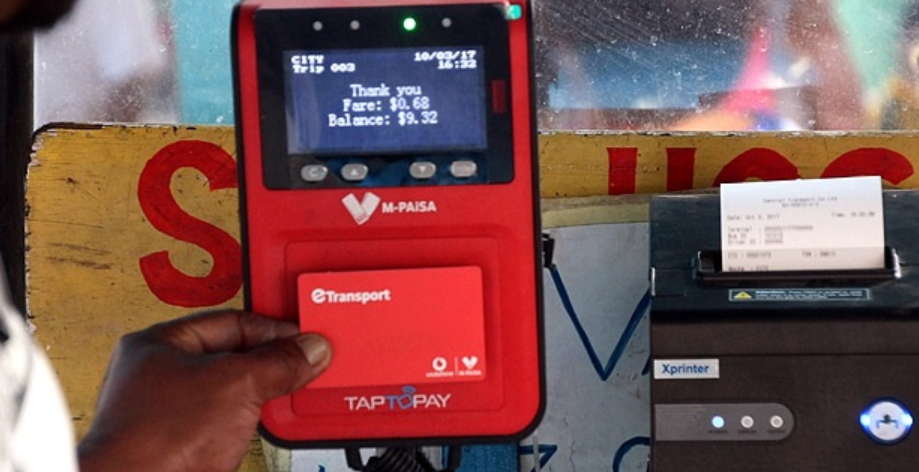
Passengers who fail to properly use the national e-ticketing system risk pushing bus fares higher, the Land Transport Authority has warned.
LTA chief executive Irimaia Rokosawa said fare evasion through non-compliance with the tap-on system was causing revenue losses for bus operators, placing pressure on the sustainability of their operations.
“If there’s continuous fare pilferage, the bus operators won’t be able to financially sustain their operations,” Mr Rokosawa said.
He warned that operators running at a loss would have little choice but to approach the Fijian Competition and Consumer Commission (FCCC) for fare increases.
“If they continue to operate at a loss, they will continuously reach out to FCCC to increase the fares because of the loss they incurred through the operation.”
Mr Rokosawa said enforcement officers were encountering increasing challenges, with reports of buses operating at full capacity while electronic records reflected fewer paying passengers.
The authority has received complaints and enforcement reports identifying gaps between physical passenger numbers and e-ticketing data.
“If key stakeholders and the general public are not playing their role, enforcement officers and the Land Transport Authority are given a huge challenge to address e-ticketing.”
Mr Rokosawa described the situation as a “poverty cycle”, where continued non-compliance leads to financial strain on operators and eventual calls for higher fares.
He stressed that while LTA is mandated to enforce compliance, the system depends heavily on public cooperation.
The authority is working with Vodafone Fiji and other partners to expand card top-up services, particularly in rural areas, and to promote smartphone-based reloading options.
Mr Rokosawa said proper use of the e-ticketing system promotes transparency, safeguards operator revenue and helps maintain stable and affordable bus fares for commuters nationwide.

