
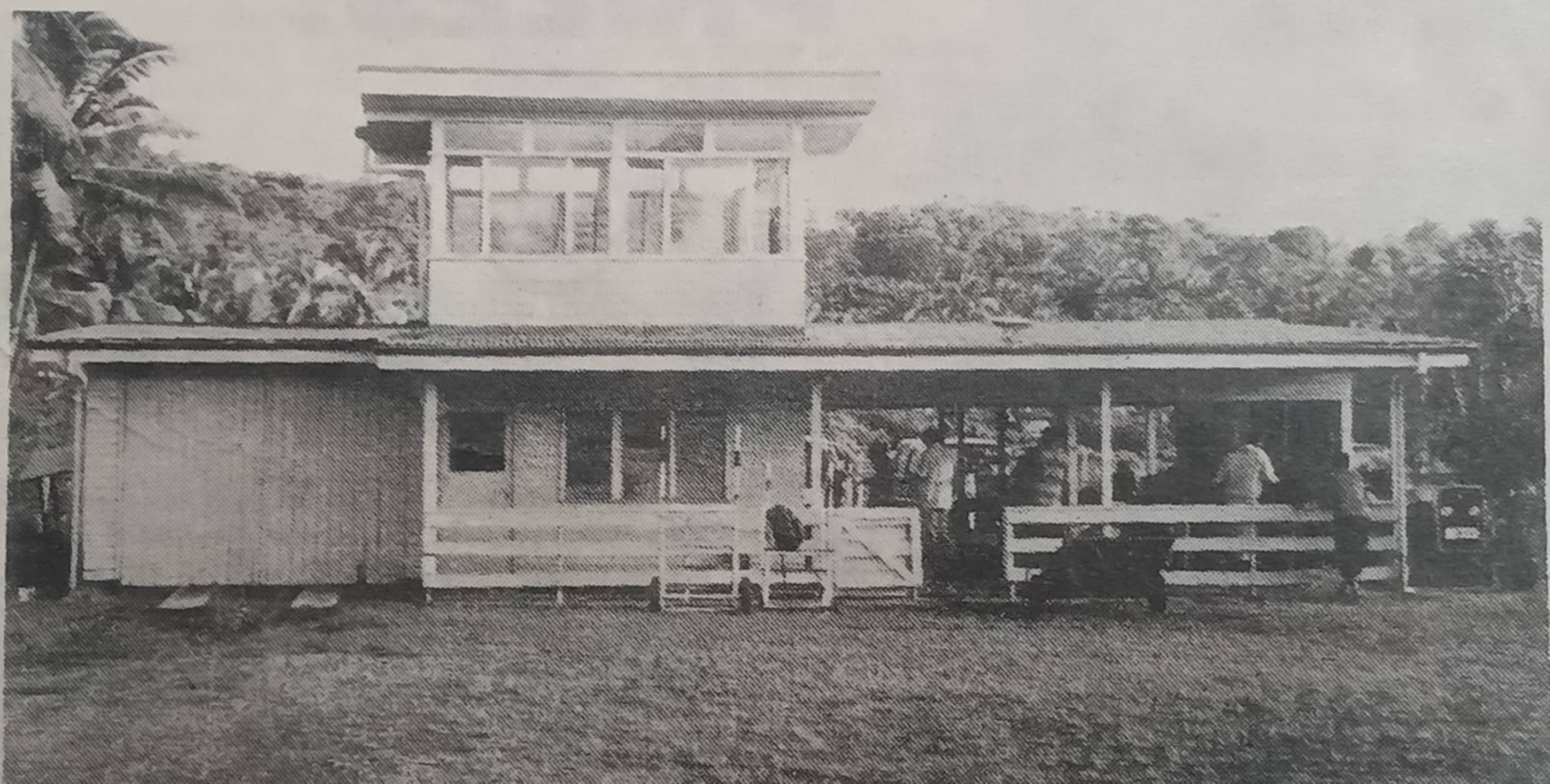
LANDING at Bureta Airport on Ovalau is like arriving at an airfield abandoned after the Cold War, according to The Fiji Times article published on May 1, 1996.
It said the barbed-wire fencing surrounding the airport had collapsed and was overgrown with creeping plants, while the surrounding vegetation was unkempt and running wild. There were no control tower lights to guide night flights, raising serious concerns about the state of the airport.
Bureta Airport had no electricity supply and no communications system linking it to the rest of the country. It was manned by three firefighters and a Civil Aviation Authority of Fiji employee from nearby villages. If the last flight was delayed or cancelled, passengers were forced to spend an extra night on the island and travel the following morning.
The airport’s inadequate facilities were discussed at numerous district and provincial meetings.
“Numerous attempts have been made to highlight the problems facing the airport, but there has been no positive response,” said a concerned Bureta villager. “It would probably take a tragedy for the government to take action.”
Many residents criticised the government for ignoring an issue vital to the tourism industry. A ride on the special mini-bus service transporting Air Fiji passengers from the airport to Levuka town offered a glimpse of the wider challenges facing the former capital.
The only road linking the island’s 23 villages was a treacherous stretch riddled with large potholes, jolting vehicles, drivers and passengers alike.
Once a respected and prominent trading centre in the 18th century, Levuka had fallen far from its former reputation. However, it retained much of its original structure. Historical sites and buildings along Beach St remained largely undisturbed, although newer developments, such as the Ports Authority of Fiji complex, were erected at the Levuka Wharf.
With the establishment of the then troubled Pacific Fishing Company (PAFCO) in 1964, Levuka experienced renewed economic activity.
History records that Fiji’s first bank opened in Levuka in 1876. The Fiji Government was formed there in 1874, and five years later the nation’s education system began with the establishment of Levuka Public School.
When the capital was relocated to Suva in 1881, Levuka lost much of its importance and prestige. At the time, the PAFCO cannery employed about 800 people on Ovalau. A local shop owner said businesses relied heavily on PAFCO workers and had made steady profits over the years.
Taxidrivers also feared for their livelihoods should the cannery close.
“Taxi businesses will survive if PAFCO remains open. If it closes, then we will suffer,” one taxidriver said.
The town’s business community criticised the preservation of historic buildings, arguing it hindered progress and development. As a result, Levuka remained uncertain and unconfident about its future.
Villagers, the article said, may bear the greatest burden. They argued that while the government called for the preservation of Levuka Town, development and progress should not be ignored.
Many complained that it was increasingly difficult to sell their produce at the Levuka market. Often, they were forced to load their goods back onto carriers and return home unsold.
“We have lost hope. We don’t know what to do because most workers are planting their own food,” said Nukutocia grandmother Adilevu Kesaia.
The question of government assistance remained unresolved, leaving islanders anxiously waiting and hoping for meaningful support in the future.

