
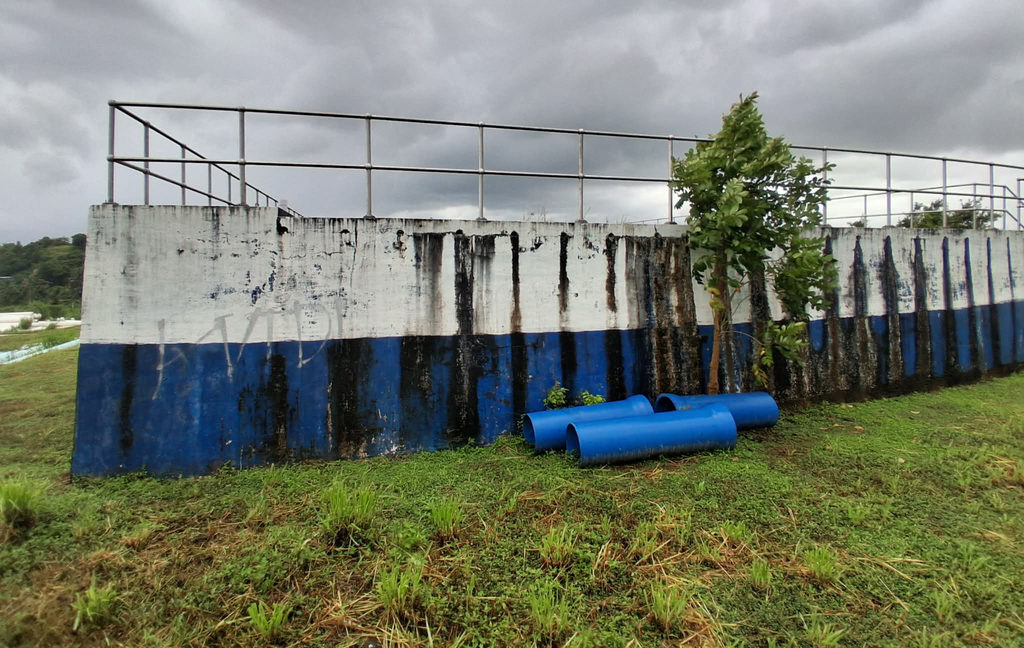
IN the hills above Labasa’s Rara subdivision, a concrete giant looms — the Lajonia Rara reservoir.
Built over a decade ago at a cost of $2.6million, it was meant to deliver piped water to Wailevu, Rara, and Tabia, aiming of ending years of daily hardship.
Today, it remains unused, a stark monument to unfulfilled promises.
Planned in 2014 by the Water Authority of Fiji (WAF) to supply piped water to residents of Wailevu District, the Rara subdivision and Tabia, the proposed reservoir brought renewed hope to families in these communities.
Many believed their days of carrying buckets from creeks and depending on rainwater would soon be over.
But today, many residents still rely on boreholes, creeks, and rainwater to meet their daily needs.
Although the project was proposed in 2014, construction at the site did not begin until 2016.
The structure of the reservoir was eventually built at a cost of $2.6million.
However, it has never been connected to supply water to the surrounding communities.
For some residents, the structure became a symbol of progress and development and it represented dignity and they hoped it would bring the simple comfort of turning on a tap and seeing water flow.
In 2023, then WAF chief executive officer Amit Chanan said phase two of the project was already taking shape.
“We are, in fact, already out in the market right now to put in place connections to the Benau reservoir from the Rara reservoir, and this will allow us to supply,” he said.
Mr Chanan said phase three would include the installation of pipes from Rara to Tabia and the surrounding areas.
“Right now, this Rara reservoir is not feeding anything as it is not connected yet.”
However, three years later, still nothing.
When asked for an update, WAF said the work was now being undertaken by its contractor, Sinohydro Corporation Limited, a major Chinese state-owned subsidiary.
“The Lajonia Reservoir Project is part of the Benau to Rara Trunk Main Upgrading project, which is currently undertaken by WAF’s Contractor- Sinohydro Corporation Ltd.”
WAF said existing pipe works are expected to be converted into water distribution pipelines connected to the outlet of the Lajonia reservoir.
Now, WAF is now planning to build another reservoir in Vatudova.
“We have carried out consultations with Mataqali Nadogo, the land-owning unit of Vatudova Village, and survey works for the pipeline, pump station, and Reservoir have been completed.”
“We will be submitting another application to the iTaukei Land Trust Board accordingly for land acquisition for the pump station, access road, and reservoir sites.”
However, WAF acknowledged there would be challenges as the project kicks off.
These include undertaking and aligning upstream investments to improve water supply towards the Vatudova and Tabia areas.
“Other challenges include obtaining land consents, TLTB lease offers, counter-valuation processes and clearances, as well as environment screening and related approvals for the projects.
“We are also trying to mobilise resources to undertake the project at hand, such as materials, equipment, plant, and skilled personnel.
“Inclement weather conditions and extreme events such as flooding would hinder physical project progress.”
For residents, however, plans and phases offer little comfort when taps remain dry.
The reservoir stands tall above them, a visible reminder of a promise made in 2014.
Below it, women continue to scrub clothes in the creek, families ration water during dry spells, and children grow up knowing the routine of carrying buckets.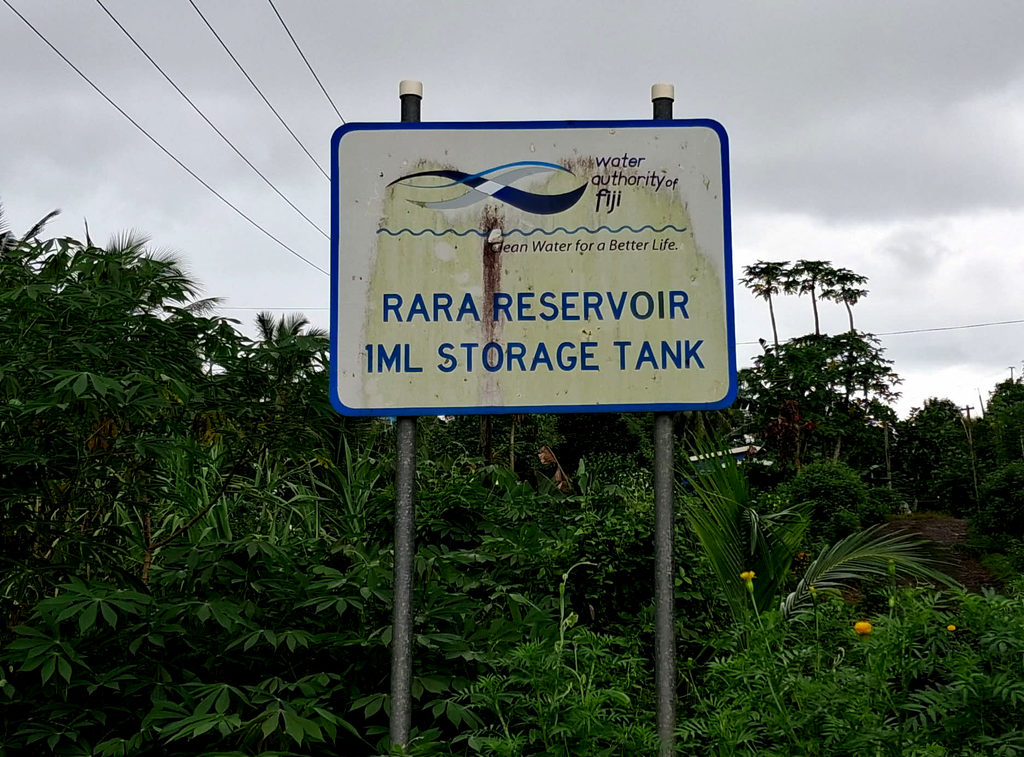
A signboard of the project. Picture: Nacanieli Tuilevuka
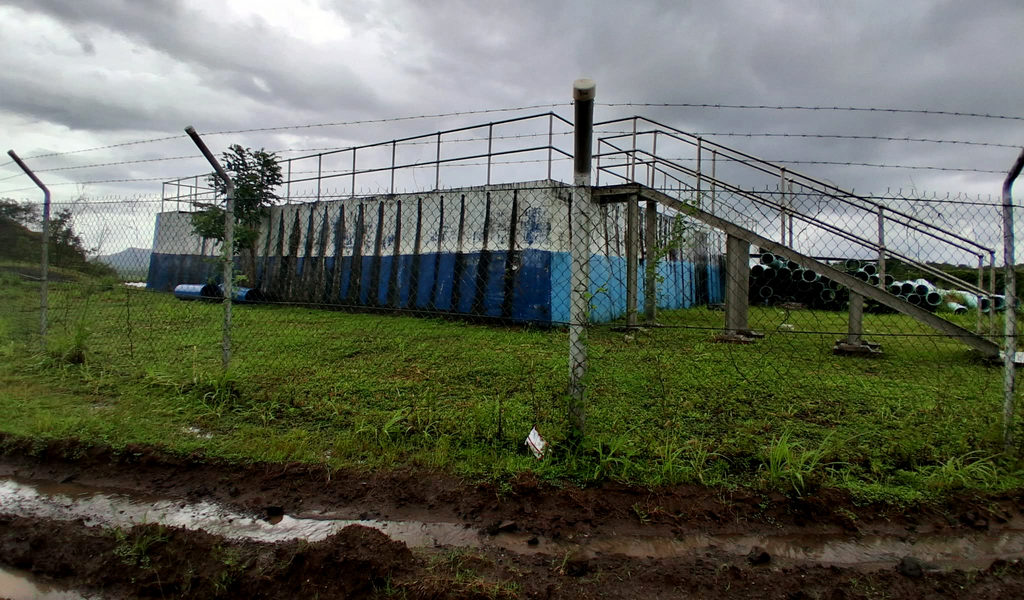
Authorities have announced plans for a new reservoir to be built at Vatudova, aimed at improving water supply for surrounding communities. Picture: Nacanieli Tuilevuka
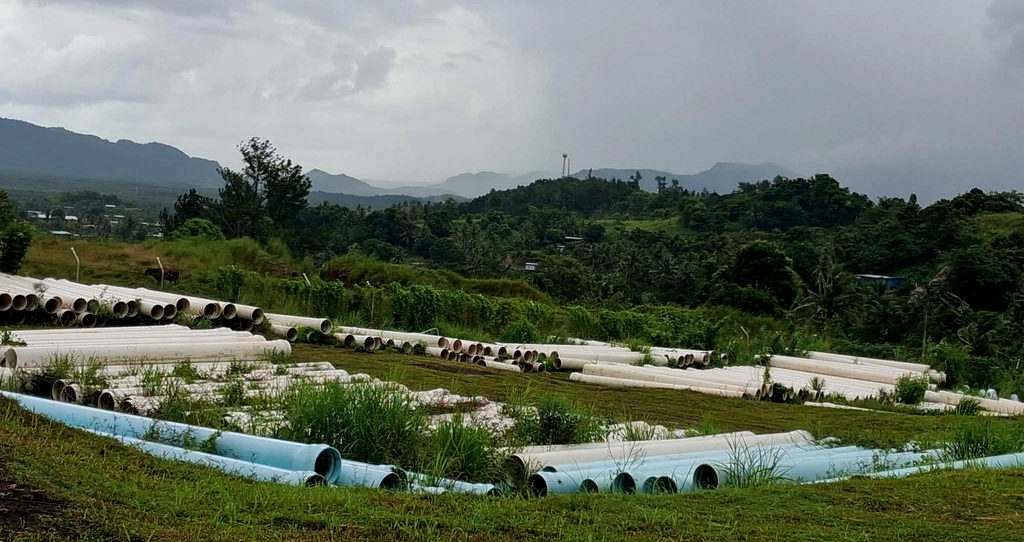
Left: Pipes meant for the project gather dust and remain in the same place as when this newspaper last visited the site three years ago.

