
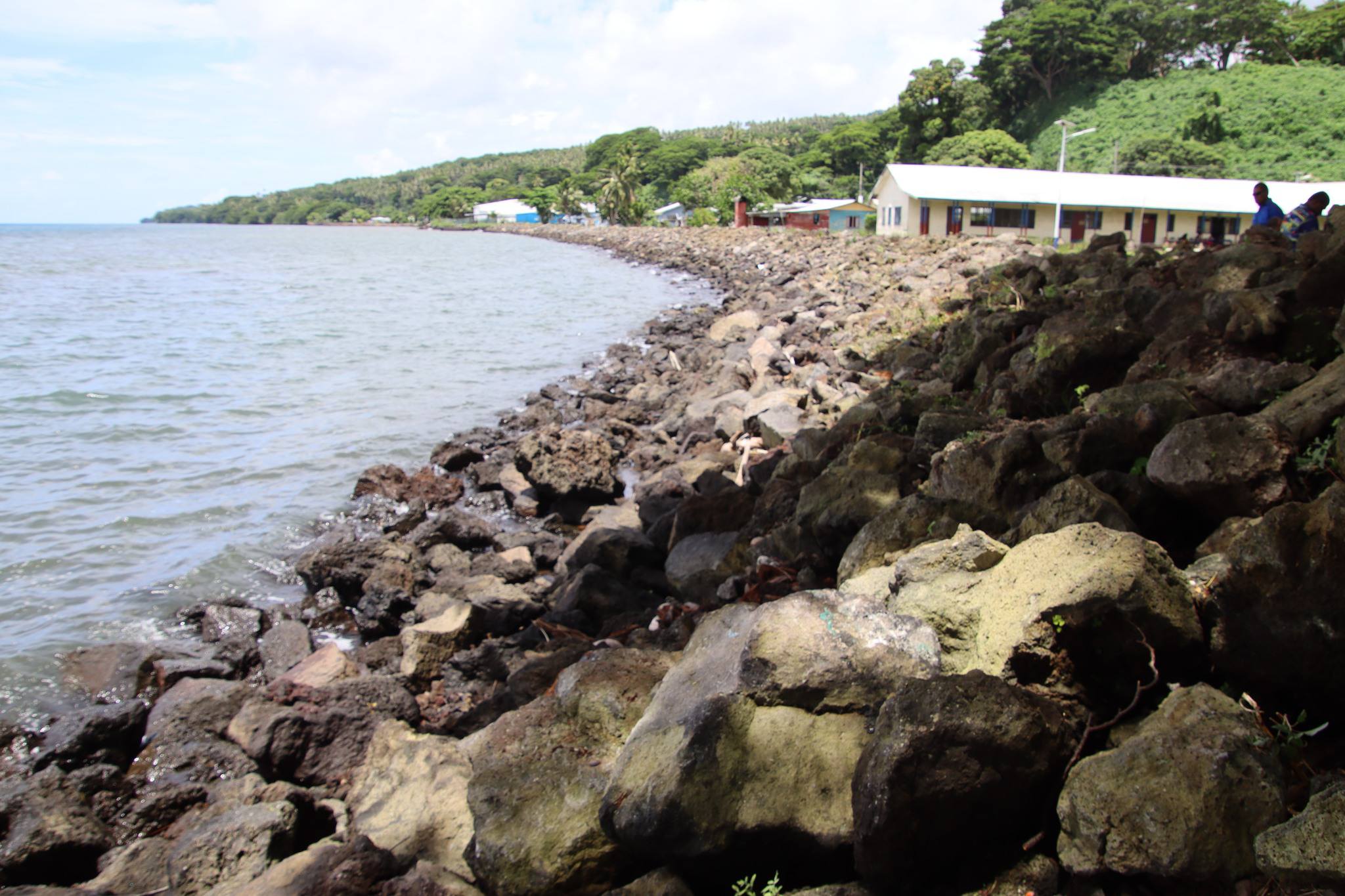
Small Island Developing States (SIDS) are being systematically excluded from global climate finance, not due to lack of need, but because international funding systems view them as too small, fragmented and high-risk, a new report has found.
The report, Financing SIDS’ Blue Development: An Assessment of Regional Delivery Frameworks, was launched by Back to Blue, a global ocean research partnership of Economist Impact and The Nippon Foundation.
It reveals that many financiers consider SIDS unattractive investment prospects, despite the fact that these countries are on the frontlines of climate change.
The report estimates SIDS require around US$12 billion annually in climate finance but currently receive only a fraction of that amount.
SIDS across the Caribbean, Pacific and Indian Oceans contribute less than one per cent of global greenhouse gas emissions, yet face some of the most severe and immediate impacts of climate change, including sea-level rise, extreme weather and ocean degradation.
UN Special Envoy for the Ocean Peter Thompson said the findings highlight a fundamental injustice in the global financing system.
“I believe that Small Island Developing States should be first in line for climate finance,” Mr Thompson said.
“They’re on the frontlines of a global crisis they have not caused, but their size and vulnerability militates against them receiving adaptation finance at the speed and scale required for their security.”
He warned that unless global financing systems undergo major reform, SIDS will remain exposed.
“Until the system radically improves, SIDS will remain dangerously exposed,” he said.
The report outlines practical pathways to improve access to finance, including strengthening regional delivery mechanisms, pooling projects to reduce perceived risk, and designing funding models better suited to small and vulnerable economies.

