
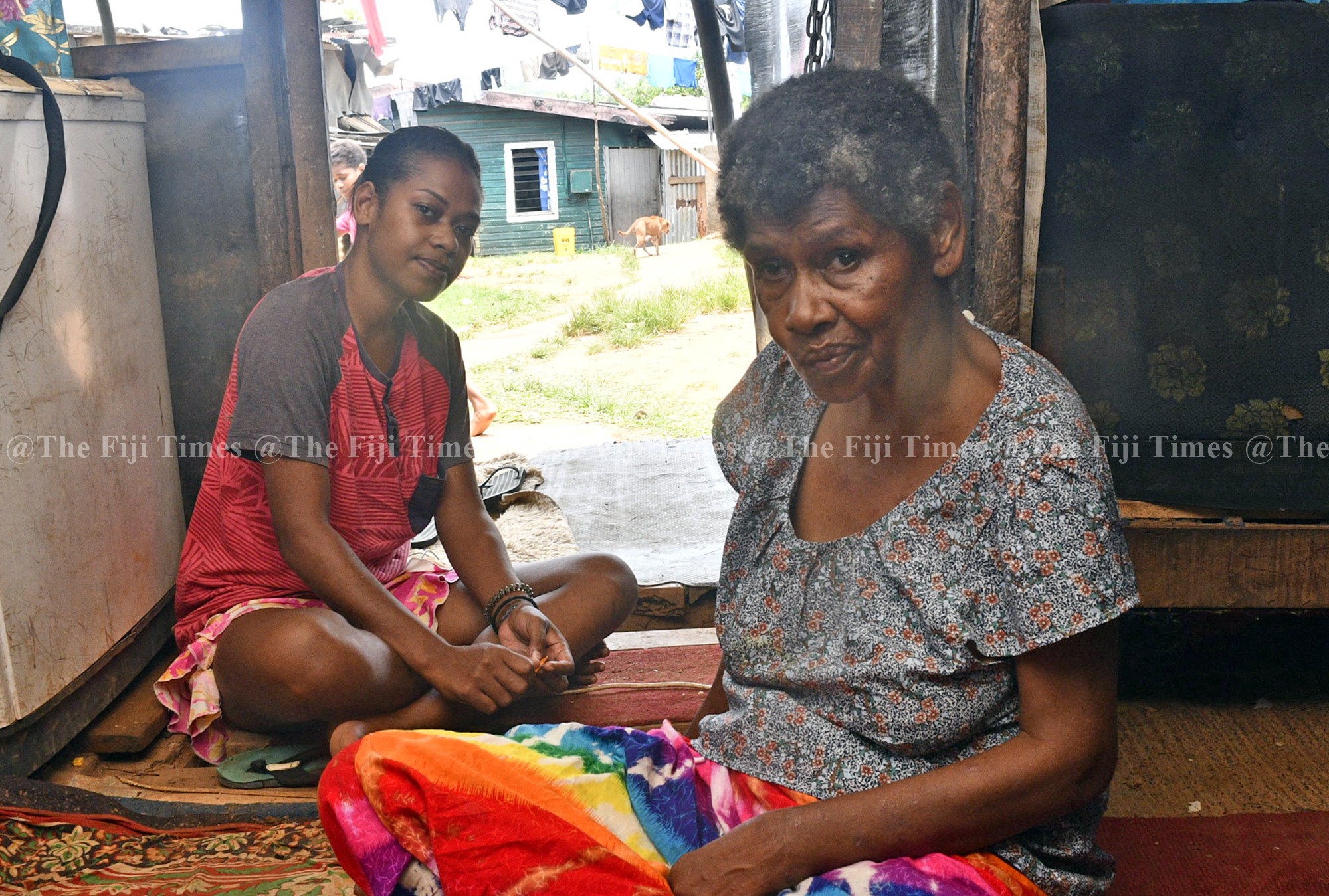
SIX years may have passed since three-year-old Talei Raikadroka disappeared mysteriously from her home in Kalekana Settlement, Lami.
But for her grieving mother, Losalini Lalaia, time has refused to move.
She spoke to this newspaper yesterday, sharing both her pain and fervent hope.
When a member of the family goes missing, lives and homes touched by the disappearance cannot move on.
Clocks may turn yet time remain frozen in a spell. Hope becomes both a comfort to lean on and a burden to bear.
Talei’s case is not only an isolated personal tragedy. It is part of a growing global phenomenon that haunt individuals, families and authorities alike.
Across the world, thousands of children are reported missing each year, even in countries with comprehensive laws, adequate resources and advanced technology.
In developed nations, missing children are located quickly. But a troubling number remain long-term cases.
And as missing persons files grow thinner with time, as funding diminishes and leads dry up, public attention shifts elsewhere. But the heartache at home does not shift, it grows and festers.
Unlike death, which allows for traditional mourning and a sense of closure, a missing person creates a situation of “living in limbo”. Family members are physically absent but psychologically present.
This never-ending grief can take a profound toll on any person’s mental health, leading to distress, anxiety, depression and even post-traumatic symptoms, putting a tremendous strain on families and even communities.
In Fiji, we need better equipped and adequately funded agencies, rapid alert systems, digital databases, modern tools like facial recognition devices and stronger regional and inter-government collaboration to address our cases of missing children.
We need public notification systems too. Experts on missing children and human trafficking, consistently stress that the early ‘missing’ hours are critical and the longer a case remains unresolved, the more complex it becomes.
Families of missing persons drift between two worlds, one with the promise of hope and one with the curse of despair. They may shed tears every now and then, like Ms Lalaia, yet they may not fully grieve and heal.
For Ms Lalaia and her family, hope seems to persist.
From her recent interview, we learn that she scans crowds and she still calculates the age her daughter would be today.
The grandmother imagines the nine-year-old girl Talei might have become if she was still around. In her head, she looks the same as the three-year-old girl who went missing in 2019.
For families like Talei’s, updates from the police may be scarce, and may take years or even decades, but hope remains stubborn – though frail, it is hard to kill.
It is this hope that keeps mothers watching, grandmothers dreaming , families praying and investigators reviewing old files once more.
When Talei vanished, it wasn’t only a family that lost her, the community lost something too, a part of the fabric of the community.
But as long as Ms Lalaia continues to wait, we all must wait with her, for society has a sacred duty not to look away.

