
CONCERNS continue to linger over whether recent gains in media freedom are adequately protected for the future.
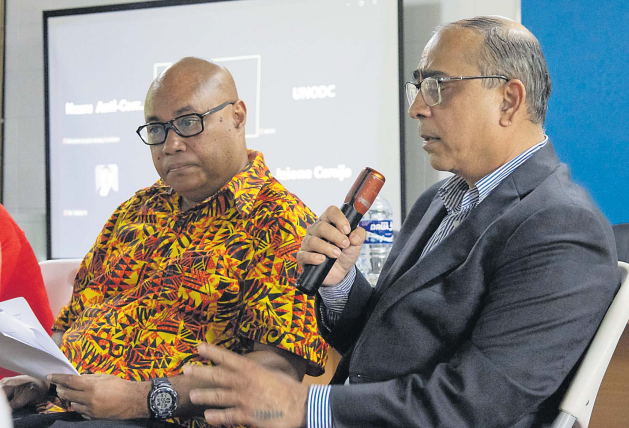
Associate Professor of Journalism at the University of the South Pacific, Dr Shailendra Singh said while media freedom had improved in Fiji, the absence of stronger legal safeguards, like whistleblower protection and supporting legislation, could leave those gains vulnerable, particularly if political circumstances change.
“In Fiji’s case, the lifting of the Media Industry Development Act has brought about some major improvements and we can see that news media is more critical than it has ever been, maybe for a long time,” he said.
“We cannot take government’s tolerance for media criticism for granted.”
He noted that media organisations are now highlighting major national issues more openly.
However, he cautioned that Fiji remains a transitional democracy and warned against assuming that tolerance for media criticism will continue indefinitely.
Drawing on his three decades of experience as a journalist in Fiji, Dr Singh said he sometimes wondered whether increased scrutiny could eventually trigger a backlash.
“Maybe this government is committed to media freedom, but what about the next government?
“So we need to be thinking ahead instead of just in the present time.”
Dr Singh argued that institution-building efforts must include protective legal measures to safeguard media freedom over the long term.
“Institution building is fine, but part of institution building is also protective measures for these institutions.
“Where is the whistleblower protection legislation as well as the other legislation? I don’t see too much of a push for these kinds of legislation.”
He described the repeal of restrictive media laws as “only half the job done,” adding that similar legislative delays are evident across the Pacific region.
“Unfortunately, governments are moving this legislation very slowly through parliament for reasons best known to them.”

