
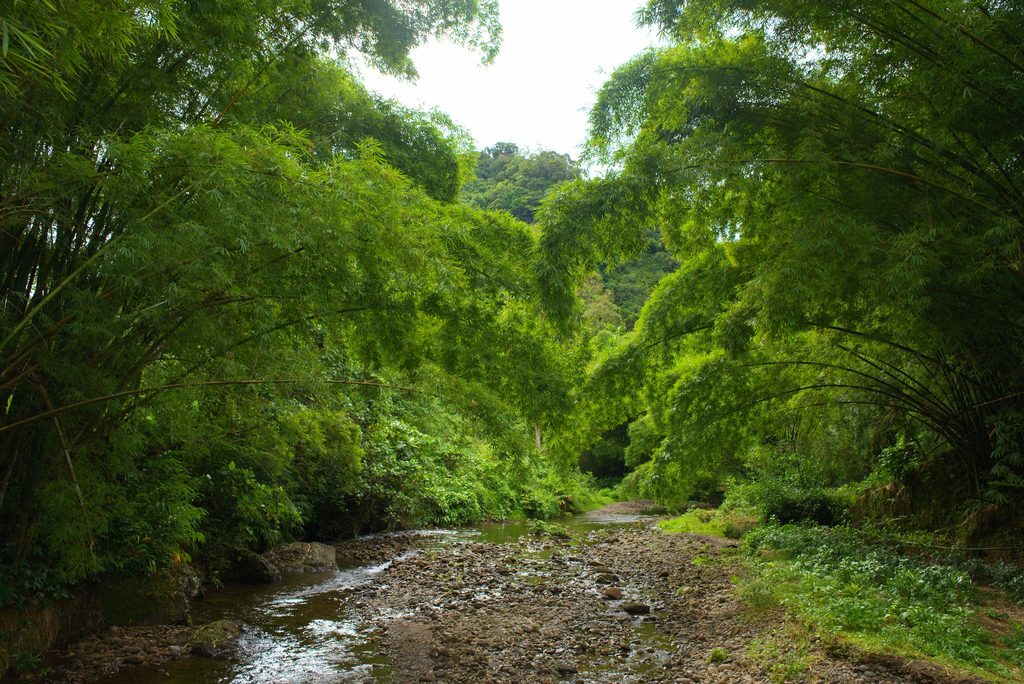
The establishment of the Dakuinaroba Bamboo Park in Namosi last month is emerging as more than a tourism venture.
For the landowning unit, mataqali Namara, it represents a broader shift towards structured, community-driven economic development grounded in traditional resource ownership.
Speaking during the recent bamboo knowledge transfer workshop organised by the Embassy of Indonesia in partnership with the Ministry of Forestry and the Fiji Arts Council, Tomasi Vakadranu said the park was officially opened on January 9.
“The Dakuinaroba Bamboo Park was opened on January 9, just last month. It was developed with the assistance of the Fijian Government and representatives and experts from the forest park in Colo-i-Suva,” he said.
Beyond eco-tourism
While the park was initially conceived as an eco-tourism initiative, its development trajectory has already expanded.
“The main purpose, from the vanua’s point of view, in developing this bamboo park was primarily eco-tourism. However, since it was opened, various other opportunities have emerged in terms of how this park can drive development in our province.”
As the first bamboo park in Fiji, Vakadranu said interest from external stakeholders has been encouraging.
“Because it is the first-ever bamboo park in Fiji, various government organisations and NGOs have reached out for potential collaborations, and this is very encouraging to us.”
Visitors can access swimming areas, bure, bamboo hiking trails and mountain viewpoints overlooking the rugged Namosi range. International interest is also growing.
“The European Ambassador has visited recently, along with VT1S, who are filming videos in the park. It is a slow and steady start for us, and there are various other plans in place in line with our strategic plan.”
Reviving traditional knowledge
Although tourism remains central, the most transformative potential may lie in bamboo-based enterprise development.
“While the primary idea behind the park was tourism, various other opportunities have opened up. One of them is the development of arts and crafts from bamboo, through which the skills of our people can be tapped into, leading to potential income streams and improvements in livelihoods.”
A soqosoqo vakamarama (women’s association) within the mataqali has been formed to lead this effort.
Vakadranu stressed that the community was not starting from scratch.
“We have the bamboo resource in abundance, and we have the vuku vanua (traditional knowledge). Bamboo was used by our ancestors for almost everything, particularly in the building of houses.”
He added that modern enterprise simply builds upon this foundation.
“Now we have the opportunity to further enhance and make greater use of our skills and abundant bamboo resources by tapping more into arts, crafts, and handicrafts.”
Inclusive ownership and governance
Central to the project is a governance structure designed to ensure equitable benefit-sharing.
“The vision of the mataqali also centres on the fact that we, the iTaukei people, have an abundance of natural resources around us. These are God-given, and it is vital that we use them in a way that benefits all of us while they are still owned by us.”
He highlighted that all registered members of the mataqali — including single mothers, persons living with disabilities and the unemployed — were entitled to benefit.
“Within the mataqali there are all sorts of people. These people are all in the Vola ni Kawa Bula. Once they are registered there, the resources also belong to them, and they are entitled to the benefits that come with them.”
To formalise this, the landowning unit established both a trust and a commercial arm.
“The mataqali trust has been set up, together with the mataqali’s commercial arm or company. It all belongs to the mataqali and all who belong to it.”
Vakadranu said once initiative was demonstrated, support followed.
“For us here at Mataqali Namara, once we showed initiative, opportunities for growth and development opened up.”
A model for rural self-sufficiency?
In a province known for its rugged, mountainous terrain, bamboo has long been preserved by earlier generations. Vakadranu noted that what was once simply protected is now becoming economically valuable.
“Our ancestors always told us to preserve it and take care of it… Now the same bamboo we have cared for and preserved is becoming a source of wealth for our people.”
He encouraged other landowning units to adopt a similar approach.
“The advice I would like to offer to other mataqali is to value and treasure the resources on your land. The resources are already there; what is left is for people to realise that the only way to become self-sufficient is by using these resources sustainably and moving towards business.”
While the focus in Fiji continues to be centered on exploring sustainable resource-based industries, the Dakuinaroba Bamboo Park offers a great example of how customary ownership, traditional knowledge and formal business structures can intersect to generate inclusive rural development.
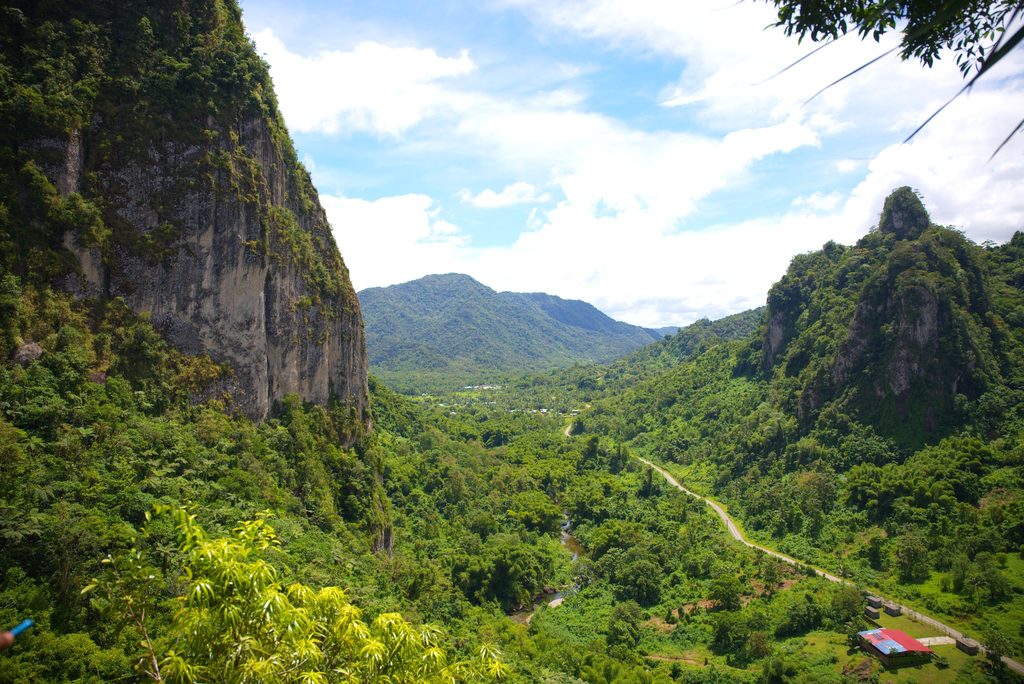
While the park was initially conceived as an eco-tourism initiative, its development trajectory has already expanded. Picture: SPINNING VILLAGE
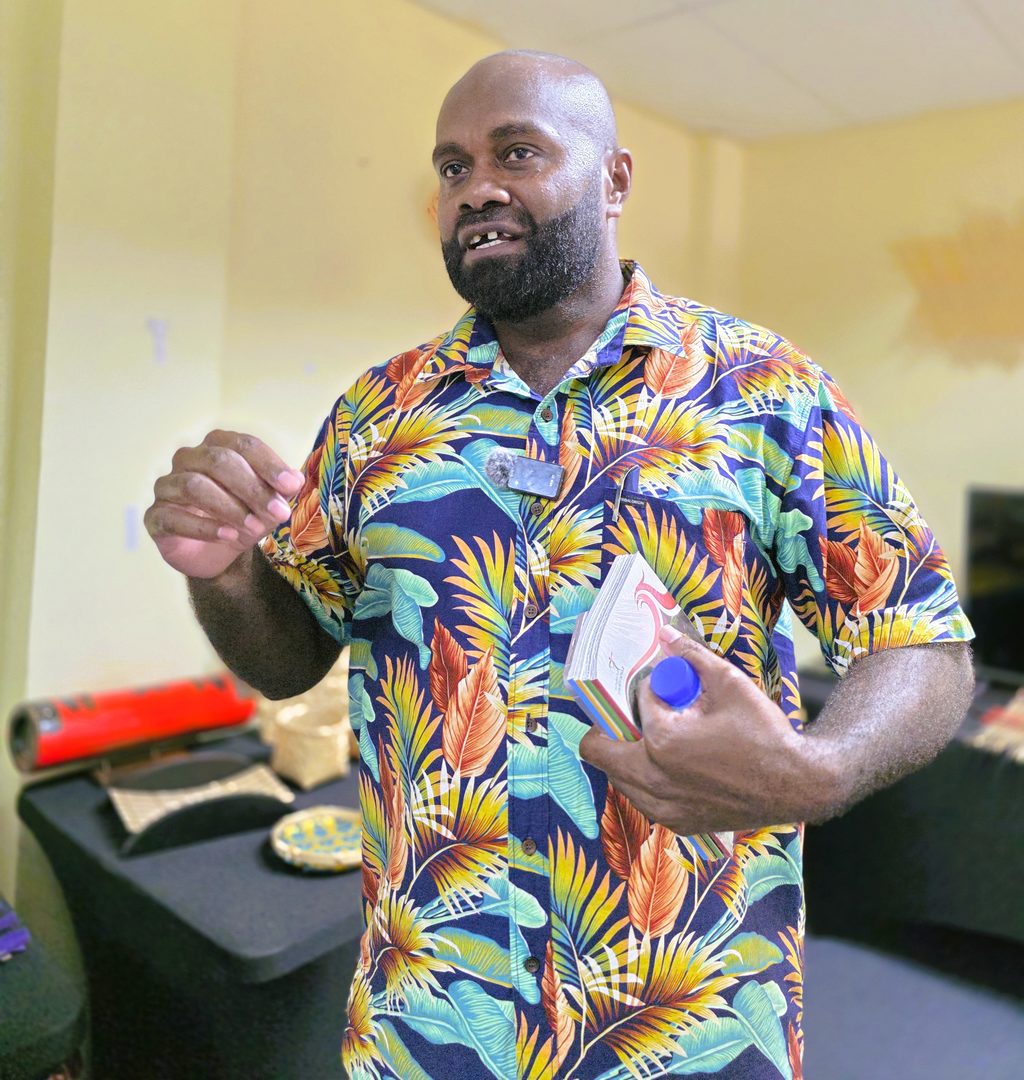
Tomasi Vakadranu from mataqali Namara of Namosi. Picture: ALIFERETI SAKIASI

