
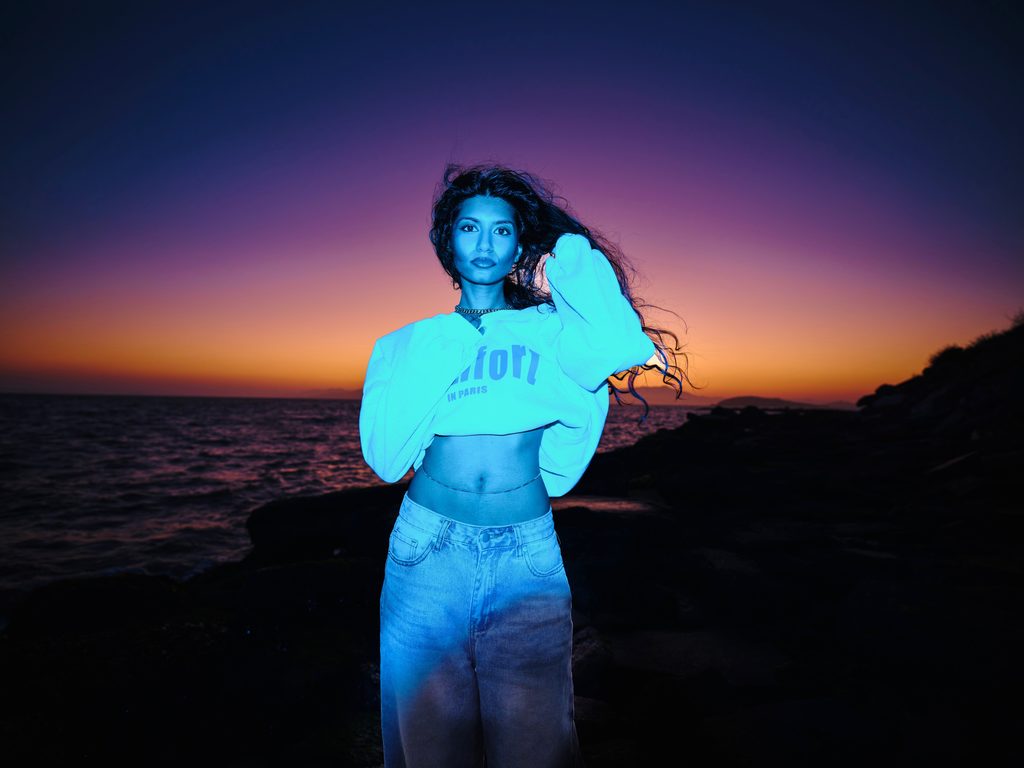
WHEN Pallavi stepped onto a stage in the Bay Area to open for Kehlani, an acclaimed American R&B singer, songwriter, and dancer, 8,000 people were watching.
The show was her biggest to date – a significant booking in one of America’s most competitive music markets. Based in California and performing under the name Fijiana, the Indo-Fijian rapper has been building steady momentum across the Bay Area scene.
Backstage, she says, the magnitude of the moment was overwhelming.
“Prior to the show, I was very nervous. The idea of 8000 people was so scary. But when I was on stage, it didn’t feel as scary. It felt easy.”
She says she hasn’t processed how far she’s come or how big it was. “It’s just been going and doing, literally. And when it comes, it all comes at once.”
Fear of fame
Increased visibility, she says, has brought reflection as much as opportunity.
“I do feel fear sometimes, of being famous. I don’t think I would want that lifestyle.”
There is a marked contrast between Pallavi off stage and Fijiana on it.
“I’m pretty introverted and I’m pretty shy. Sometimes I’m being expected to have a little bit more extrovertness or energy than I do generally. Sometimes it’s a bit scary.”
On stage, she says, the energy feels natural. Off stage, she is more reserved.
“Initially, I felt very like, I’m going to do whatever I want to do. But the more I go on the journey, the more I connect with people… I feel like you come to the understanding that this is bigger than you. This is bigger than your individual desires and artistry.”
Across the seas
Pallavi moved to the United States when she was three years old.
“I don’t have too many memories of Fiji as a child. I do remember I didn’t know how to speak English when I arrived here so I had to learn.”
Embedded in her favourite Fiji memories are warm rain baths, cream buns, lamb barbecue and aaji’s food.
“There’s a big Fiji community in Richmond so I feel very connected to home even here.”
Music has always been part of her upbringing.
“My family loves karaoke, bhajan and kirtan so they’re very artistic themselves. They’re also into older Bollywood music reggae and different styles of music I was always exposed to.”
Stepping away from convention
Her move toward music full time came after years of conventional employment.
“I had a lot of jobs and got fired from every one of them. I realised I didn’t want to be working for someone. I wanted to take an artistic route in life.”
She worked in coffee shops, casinos, restaurants, customer service, T-Mobile and solar panel sales. “I’ve done, like, every job you could think of.”
Even in high school, she says she knew those roles were temporary.
“I mean, you have to do it to survive. But I just knew it’s not what I want to invest my life in.”
Her family supported her decision, on one condition.
“They were like, we don’t care what you do, spend your life doing whatever, but just get educated.”
She completed a degree in history while working and making music at the same time.
The gamble behind independent music
Growing a passion into a career required money and patience.
“A lot of time you spend hours working all of these jobs just to be able to save up money to be able to make a video or something that might connect with people. Most of the things you do don’t. And then one thing might.”
She calls it “the constant gamble.”
“It’s in this world, especially music, where our value is meant to be tied with streams and numbers and money. And it is really hard to not let those things get you down because those things don’t determine your actual value.”
The pressure of numbers, she says, can distort self-worth.
Identity and scrutiny
As her audience expands, so has the scrutiny.
“As an Indo-Fijian, you get racism for being Indo-Fijian. It just comes with being Indo-Fijian and I’ve accepted it – it’s OK. But I also receive so much love, from all communities.”
The online reaction, she says, differed from her experiences in Fiji.
“When I’m in Fiji, I don’t actually feel any racism… It feels like we’re all just living together in a normal society. So initially, like online racism was very jarring.”
She also points to the additional challenge of being a woman in rap.
“Even being a woman rapper – it takes time for people to actually take you seriously. A lot of people want to waste your time and not really listen to you.”
A month on her own terms
In 2024, she returned to Fiji to experience home differently.
“Usually, I go to see family. But this time I just wanted to hang out as a young adult in Fiji and see how it is.”
She rented an Airbnb and stayed for a month.
“I just wanted to make friends and just explore life – go into town and go to festivals. I just wanted to be like a regular person experiencing my country without it being a family ordeal.”
She entered a wheelbarrow race in Suva, performed a small show and moved through the city without fanfare. “I had a really good time that year.”
She says she is keen to collaborate with artists in Fiji, although previous attempts have not yet materialised. “I came out last time hoping for collaborations, but a lot of the artists I reached out to were busy so it hasn’t happened yet.”
A tougher climate for immigrants
Her reflections extend beyond the music industry.
“In America, as immigrants, we’re living through a very hard time right now. A lot of us are being targeted by ICE (US Immigration and Customs Enforcement), and we live in so much fear.”
For her, the political climate is not separate from creative work. “As an artist, it’s some of our job to reflect the world we’re living in. I’m hoping I can bring some of that into my art.”
While the risks are real, so is the hesitation but it’s something she has already weighed.
“What keeps me going is the fear of not doing something. It always scares me a little bit more than the fear of actually doing it and then getting criticism for it.”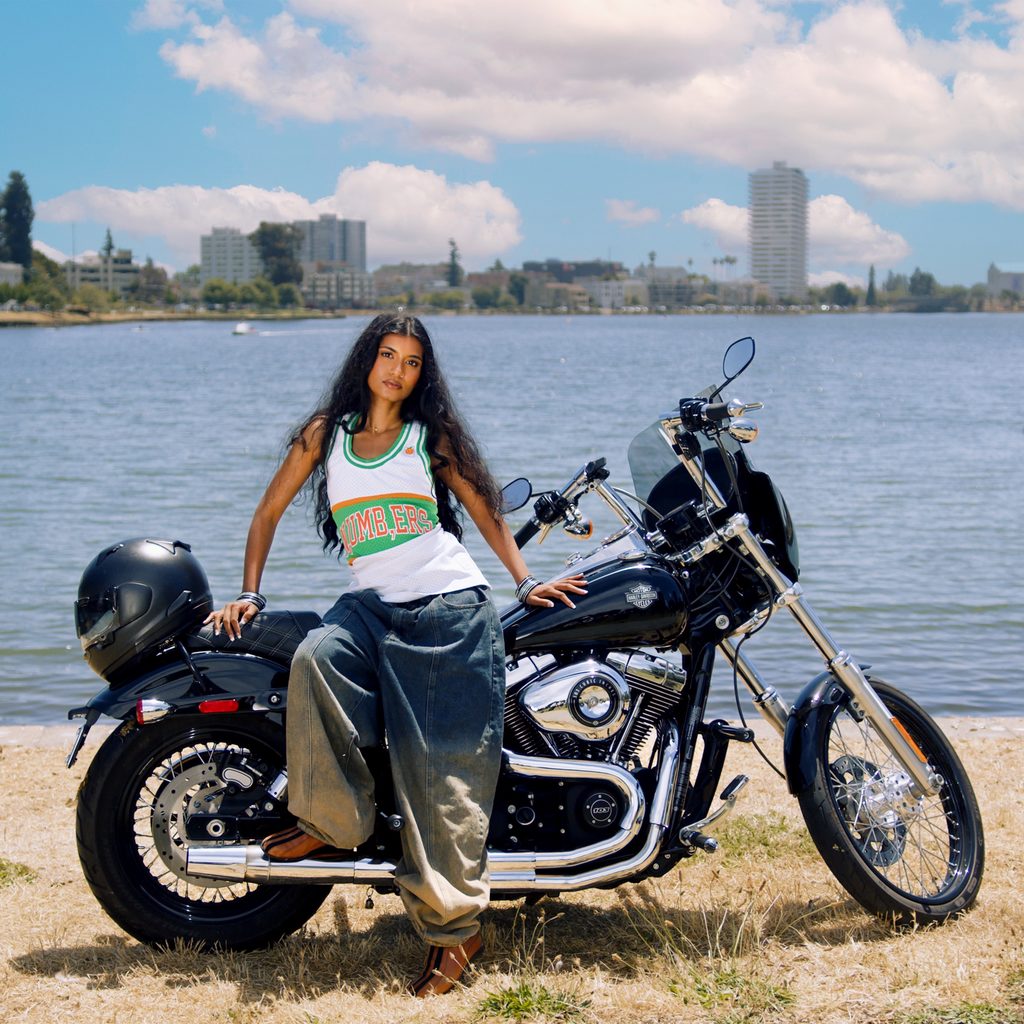
During a month-long stay in Fiji in 2024, Pallavi performed a small show and took part in community events as she reconnected with home on her own terms. Picture: HEAATHH
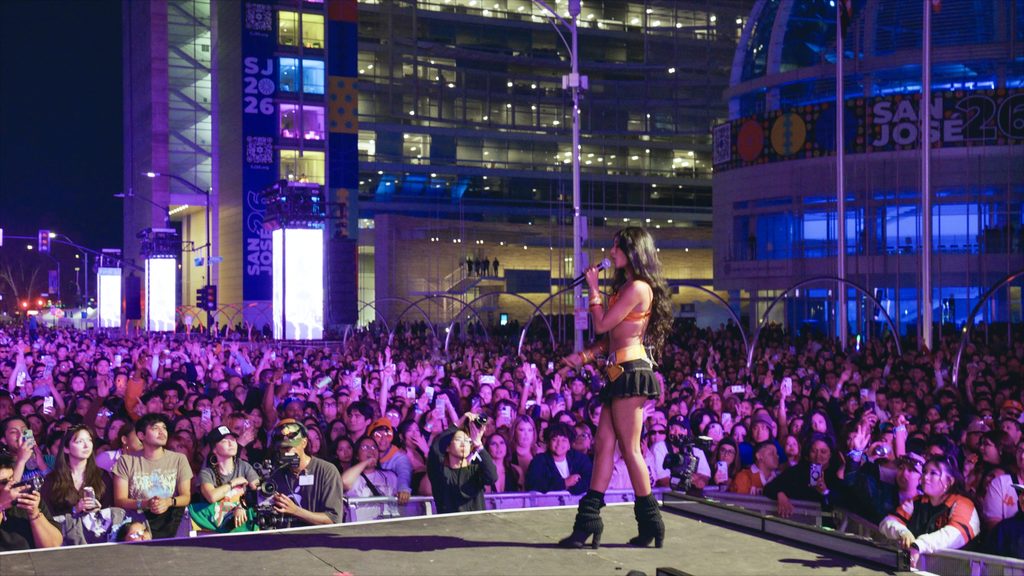
Left: Indo-Fijian rapper Pallavi, who performs as Fijiana, on stage in California’s Bay Area, where she recently opened for Kehlani before an audience of about 8,000. Picture: WALLAH UMOJA

