
A renewed call to diversify Fiji’s natural resource base has emerged from the Bamboo Weaving Workshop themed “Knowledge Transfer: Crafting with Nature, Sustaining our Future”, with facilitator Sukulu Soko urging the country to reduce its heavy reliance on timber and begin planning for a more sustainable future.
“Something that I wish to emphasise and promote widely in the public space is for us Fijians to begin to be aware of and appreciate the true value and importance of bamboo in our natural environment,” Mr Soko said.
His message centres on what he sees as a looming resource challenge.
“We cannot just be placing huge emphasis and have heavy reliance on timber resources only,” he warned.
“We need to realise that there will come a time when timber resources will begin to diminish and may not be able to support the huge demand of the future.
“When timber can no longer support the demand, where will we look to? What is our contingency plan?”
For Mr Soko, bamboo represents that contingency.
“This is why I am the biggest advocate for bamboo today, because I am looking to the future and this also ties into the concept of sustainability,” he said.
“We can save our timber and begin utilising bamboo, because it is cheap, durable, can mature in a matter of two to three years.”
His argument reflects broader regional discussions about how Pacific island countries can protect forest reserves while still meeting development needs.
Unlike hardwood species that can take decades to mature, bamboo’s rapid growth cycle makes it an attractive alternative for construction, craft production and potentially even maritime applications.
The workshop itself focused on practical knowledge transfer.
Mr Soko said he was involved “in order to help our artisans, especially our women who are skilled in mat weaving using voivoi to also expand their skill into using bamboo fibres for weaving various crafts”.
“Likewise for other traditional crafts,” he added, “just basically swapping the usual resources used for bamboo.”
Beyond its economic potential, Mr Soko pointed to bamboo’s ecological advantages.
“Bamboo sequesters more carbon than trees, approximately 25 to 35 per cent more,” he said.
“Because of its extensive root system, bamboo can stabilise up to six metres of soil.”
He noted that this root network helps control soil erosion on hillsides and riverbanks and can assist in land regeneration in drier areas.
“By drawing water upward, bamboo can also help raise the water table,” he said, adding that its presence in water catchment areas helps maintain both the level and quality of water.
These environmental benefits, he suggested, position bamboo not only as a commercial resource but also as a climate adaptation tool.
There has also been discussion around innovative uses, including the possibility of constructing a vessel modelled on a traditional drua canoe using compacted bamboo poles assembled in a similar structural style.
Knowledge and skills from Fulaga are being explored for such concepts, including sails made from bamboo materials.
At a structural level, a proposed Fiji Bamboo Farmers Network has been conceptualised, with the aim of bringing together village, tikina and individual farmer groups under a producer-driven model.
“As resource owners, these groups would be best placed to identify their own needs and address them within the network,” Mr Soko explained, emphasising that the intention would be for farmers themselves to run the network rather than rely on government administration.
However, he acknowledged significant institutional hurdles.
A “major challenge”, he said, remains “the limited level of commitment from relevant ministries”, including those responsible for youth, women, iTaukei affairs, environment and waterways, forestry and fisheries.
For bamboo development to move beyond workshops and concepts, sustained cross-ministerial collaboration will be essential.
The debate now is no longer simply about craft innovation, it is about long-term resource planning, environmental resilience and whether Fiji is prepared to diversify before timber scarcity forces the issue.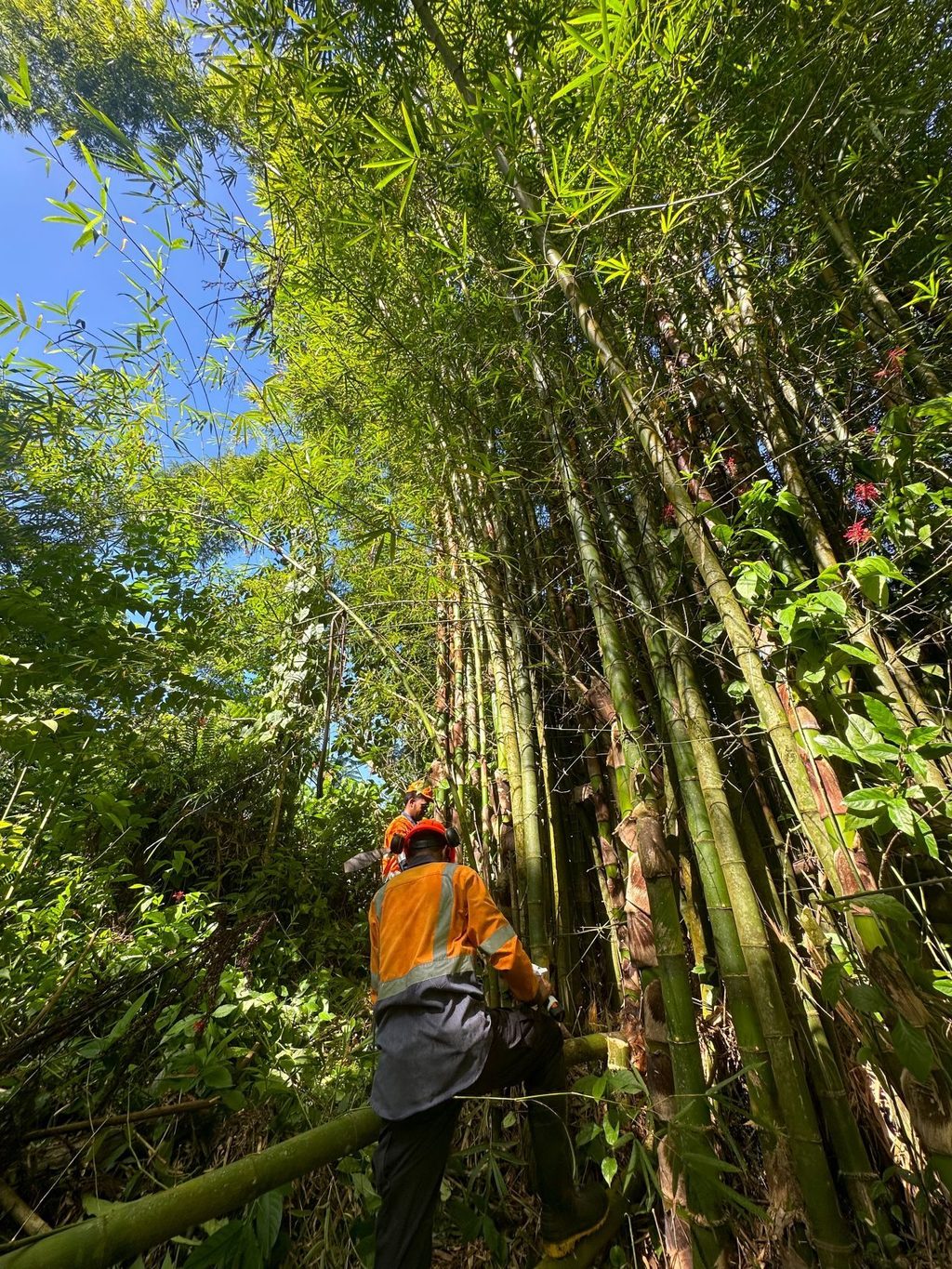
Sukulu Soko stated that bamboo can sequester significantly more carbon than trees and are essential to the natural ecosystem. Picture: GGGI
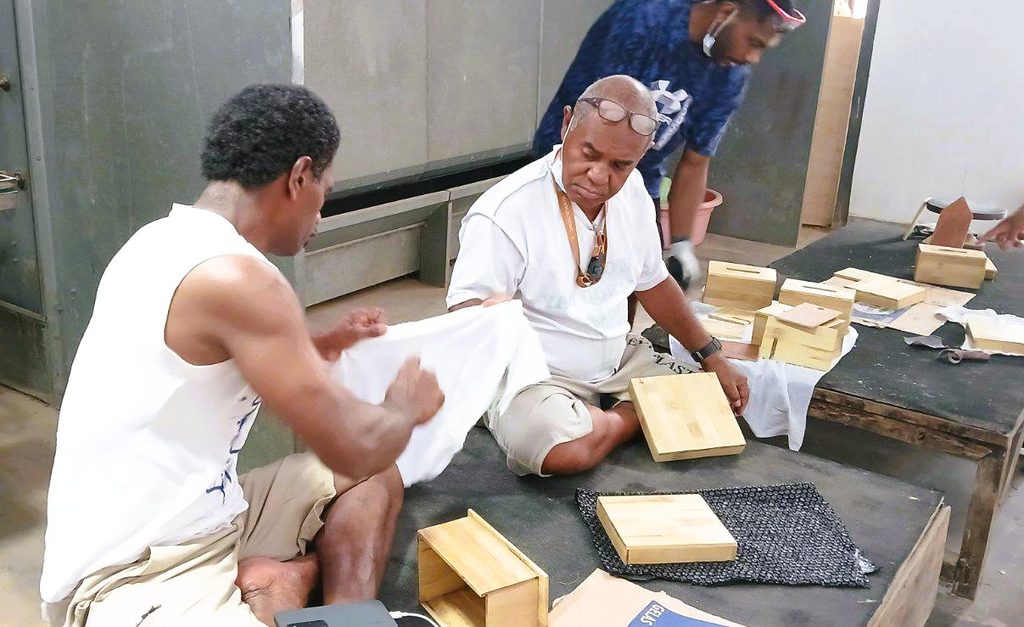
Sukulu Soko hard at work making bamboo crafts. Picture: SUPPLIED

Mr Sukulu Soko. Fiji’s bamboo champion and leading advocate. Picture: SUPPLIED

