
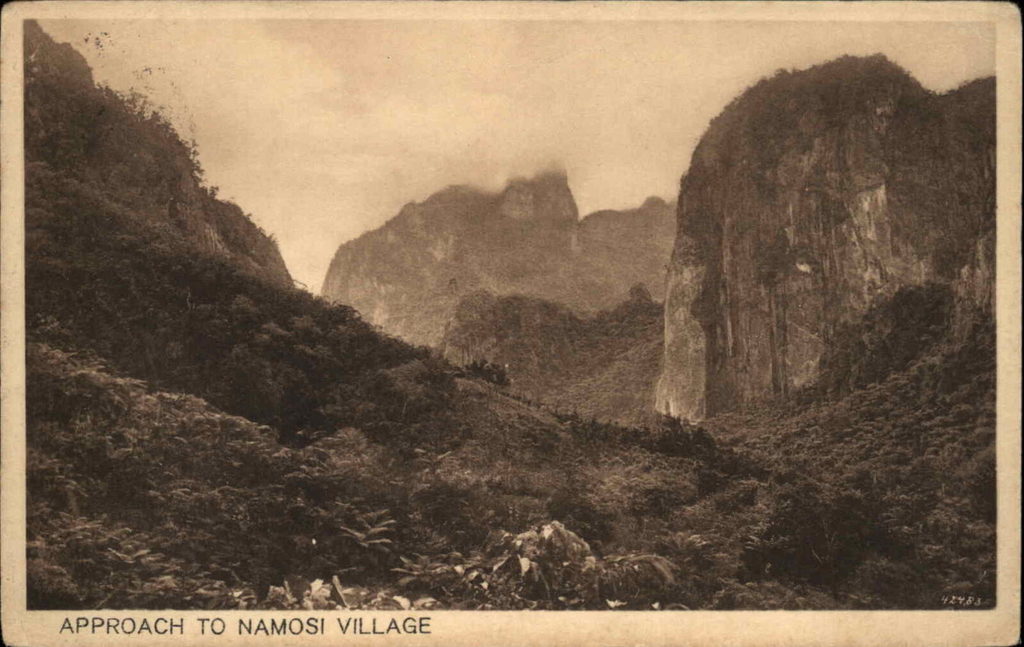
Fortified strongholds are common across Fiji, carved into rugged cliffs and often concealed within towering mountains, their presence revealed only to those who know where to look.
These natural fortified caves—formed as limestone caverns, lava tubes or cliffside shelters—served practical purposes in the past, functioning as places of defence and storage.
Today, they stand as quiet witnesses to centuries of human resilience.
Caves in Fiji are nature’s time capsules, preserving fragments of history long after the people who used them moved on.
Many hold ancient human records such as cave paintings, engravings, tools and pottery, while others contain biological remains, sacred and ritual artefacts, or ecological evidence that speaks to life in another era.
Nareregwa Cave, also known as Qwara ni Tavako, located in Navunibau Village in Namosi, is one such fortified stronghold.
Once used as a defence cave by the mataqali Namara of Navunibau, it played a crucial role in protecting both people and territory.
As warriors of the Tui Namosi, the mataqali earned a reputation for being undefeated in tribal wars and conflict, their strength rooted not only in skill but in the strategic use of the land.
According to the Journal of Archaeological Science: Reports, over the first millennium AD, population growth and emerging cultural complexity led to the formation of competitive chiefdoms in Fiji.
These chiefdoms relied heavily on fortified villages and caves to secure access, territory and control – like the warriors of the Tui Namosi.
Serving as both refuges and storage facilities, caves became invaluable assets to communities facing the constant threat of raiding neighbours or enemies. For mataqali Namara, such spaces were essential for survival.
With an unbreakable spirit in protecting their chief, mataqali warriors established fortresses that helped them ward off adversaries, embedding defence into the very landscape they inhabited.
Fortified ancestral stronghold
Members of the mataqali Namara believe that Nareregwa stands as one of the most strategically fortified ancestral sites in Namosi.
Located approximately two kilometres from Dakuinaroba Bamboo Park, the stronghold was purposely established to guard the Tui Namosi and his people from enemies attempting to enter through mountain passes or gaps in the surrounding western mountain ranges.
According to mataqali accounts, the site’s undulating terrain and rugged mountainous landscape formed a natural defence system, making it extremely difficult for invading forces to advance unnoticed.
From the stronghold, warriors were able to easily spot approaching enemies. It functioned simultaneously as a watch point, a refuge and, when conflict arose, a battleground.
The mataqali said it was at this fortress that their ancestors stood guard, waited in silence and rose in strength to defend the Tui Namosi and their people.
Many significant clashes took place on that very land. Some paid the ultimate sacrifice for the sake of territory and survival, their stories woven into the soil and stone of the cave.
Today, this fortified ancestral cave remains a living testament to the bravery, sacrifice and loyalty of the mataqali’s ancestors. Their commitment to safeguarding the Namosi people and their steadfast allegiance to the Tui Namosi endures to this day.
Mataqali Namara Trust vice chairman Paulo Rauto said they were always proud to share their history with visitors.
“Our ancestors fought to keep us safe and today we continue that spirit but for the development of the vanua through our faith, traditions and education.”
Preserved historical evidence
Beyond its defensive significance, Nareregwa Cave also holds valuable traces of daily life and cultural practice.
According to the mataqali, seashells can be found inside the cave. These were likely used for rituals or associated with Lapita practices.
Shells, according to the Journal of Pacific Archaeology – Vol. 1, are a ubiquitous and integral component of the Lapita cultural complex in the Pacific.
While shells may have replaced scarce high-quality stone resources for tool production across parts of the Lapita range, it was evident they were not merely substitute materials.
Apart from seashells, tobacco plants grow abundantly near the cave, offering subtle clues about the habits of its early inhabitants.
Also, the presence of tobacco around the site suggests quiet signs of daily life.
The name Qwara ni Tavako, meaning “cave of smoking,” clearly reflects an association with wild tobacco, or suki plants.
According to another report on suki and tobacco use among the iTaukei people of Fiji, tobacco plants existed in Fiji long before the 1800s. They were apparently used to control vermin, and their use for smoking was initially unknown.
There is no clear explanation as to why the cave came to be called Qwara ni Tavako, but one thing remains certain: it was a place of protection in times of threat.
Nareregwa stands not only as a historical stronghold, but as a powerful symbol of endurance, identity, heritage and unity for the people of Namosi—its silence echoing stories of survival, vigilance and unwavering loyalty.
History being the subject it is, a group’s version of events may not be the same as that held by another group. When publishing one account, it is not our intention to cause division or to disrespect other oral traditions. Those with a different version can contact us so we can publish your account of history too — Editor.
Mataqali Namara Trust vice chairman, Paulo Rauto. Picture: KATA KOLI
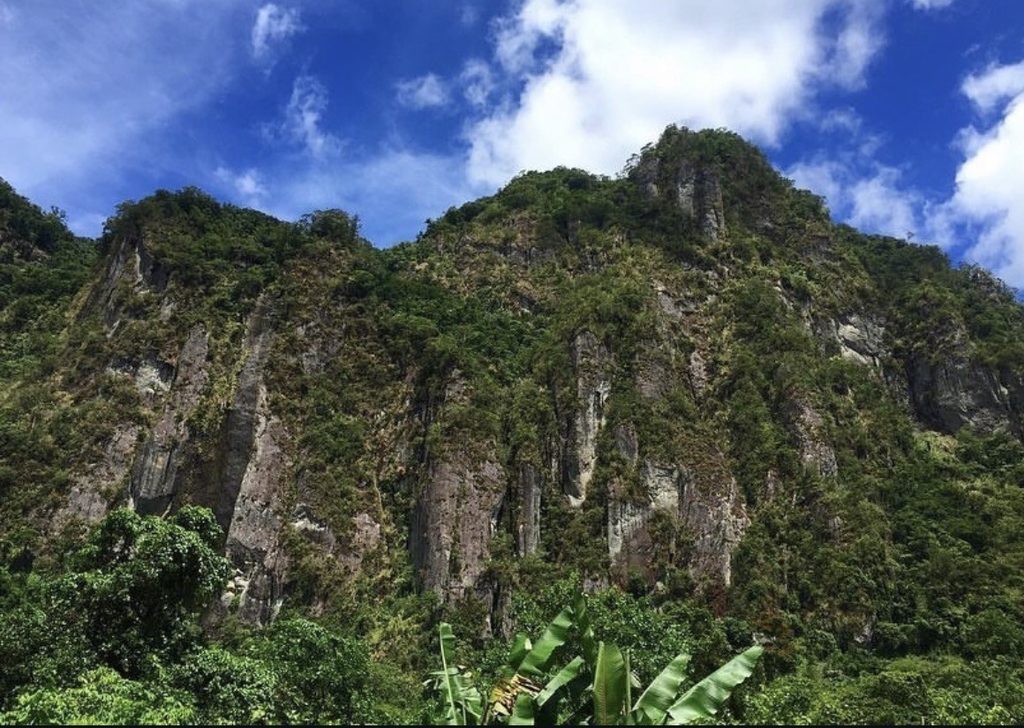
Fortified strongholds are common across Fiji, carved into rugged cliffs and often concealed within towering mountains. Picture: ANA MADIGIBULI
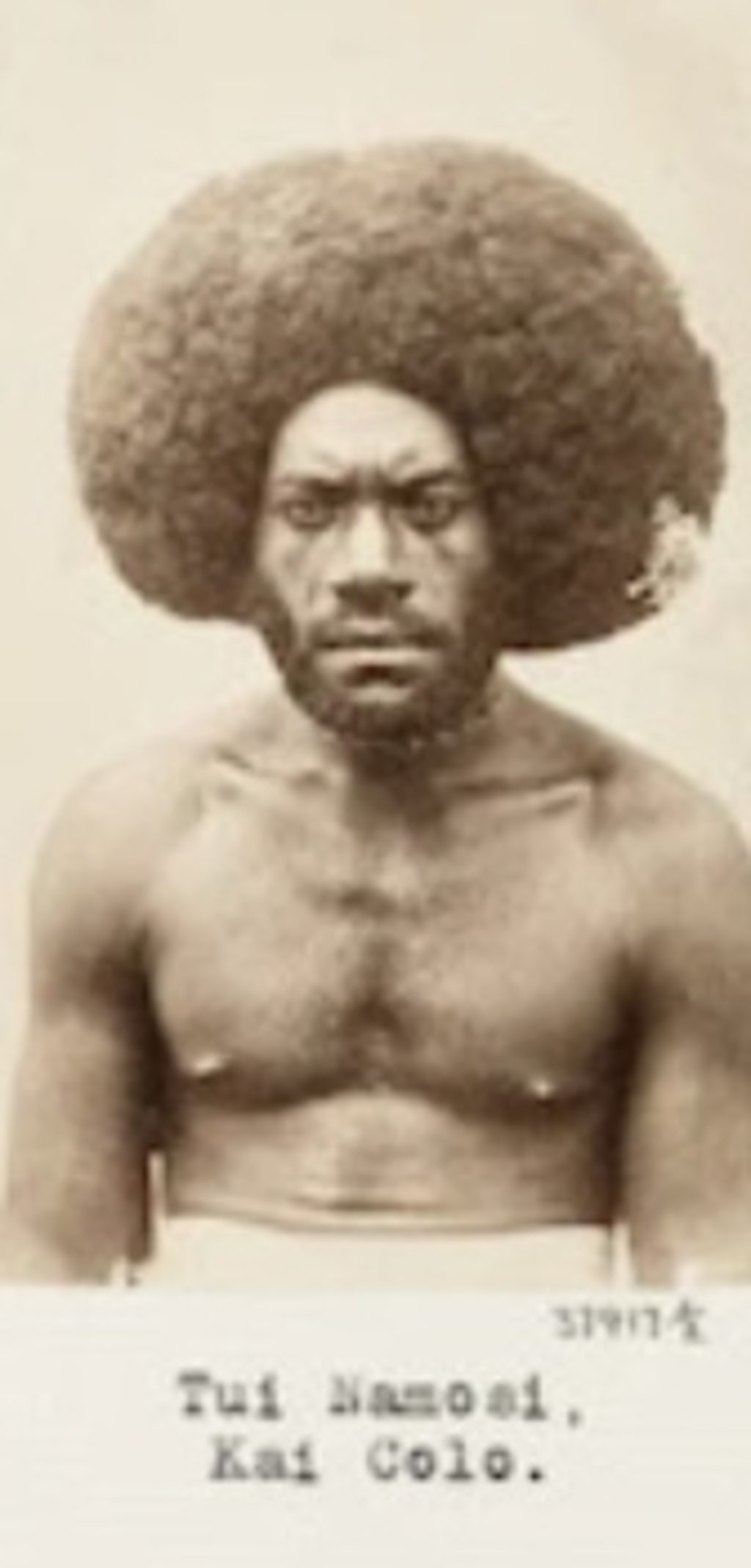
A formerTui Namosi. Picture: SUPPLIED
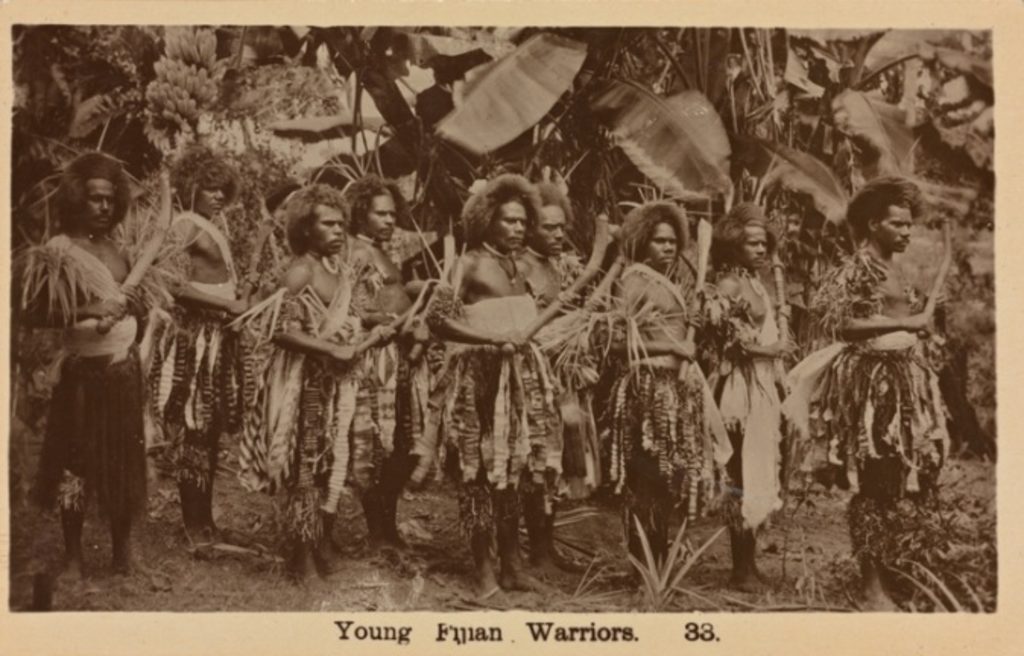
Young Fijian Warriors… Our ancestors fought to keep us safe and today we continue that spirit but for the development of the vanua through our faith, traditions and education.
Picture: SUPPLIED
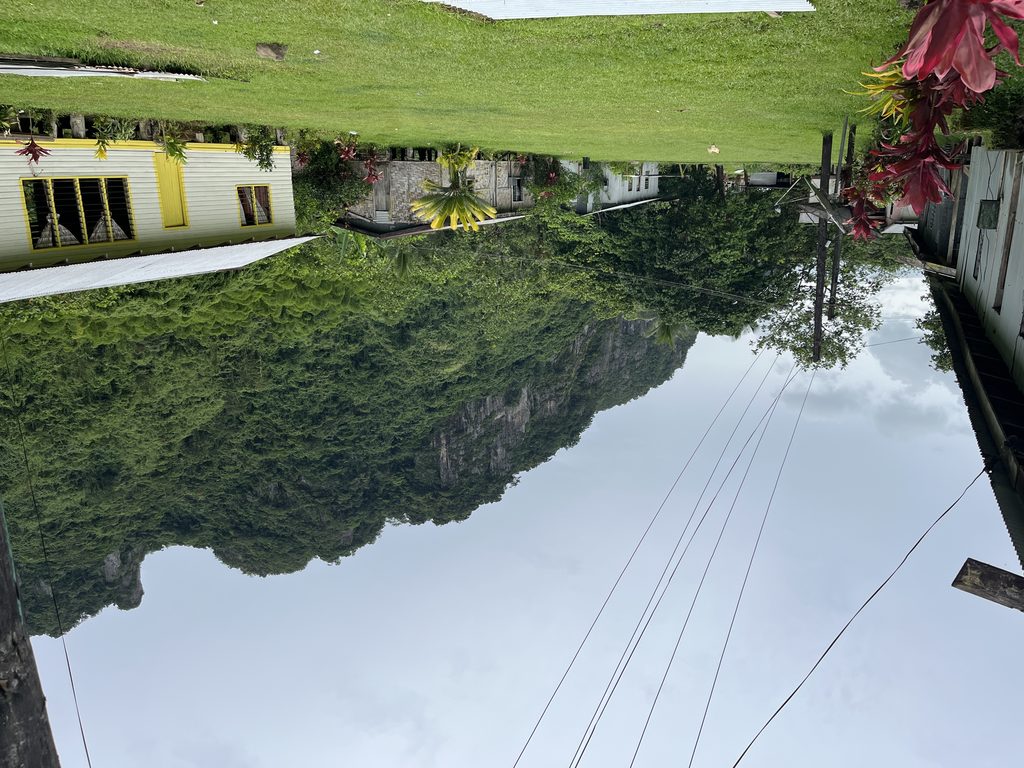
Namosi and Navunibau villages are surrounded by towering rocky mountains. Picture: ANA MADIGIBULI
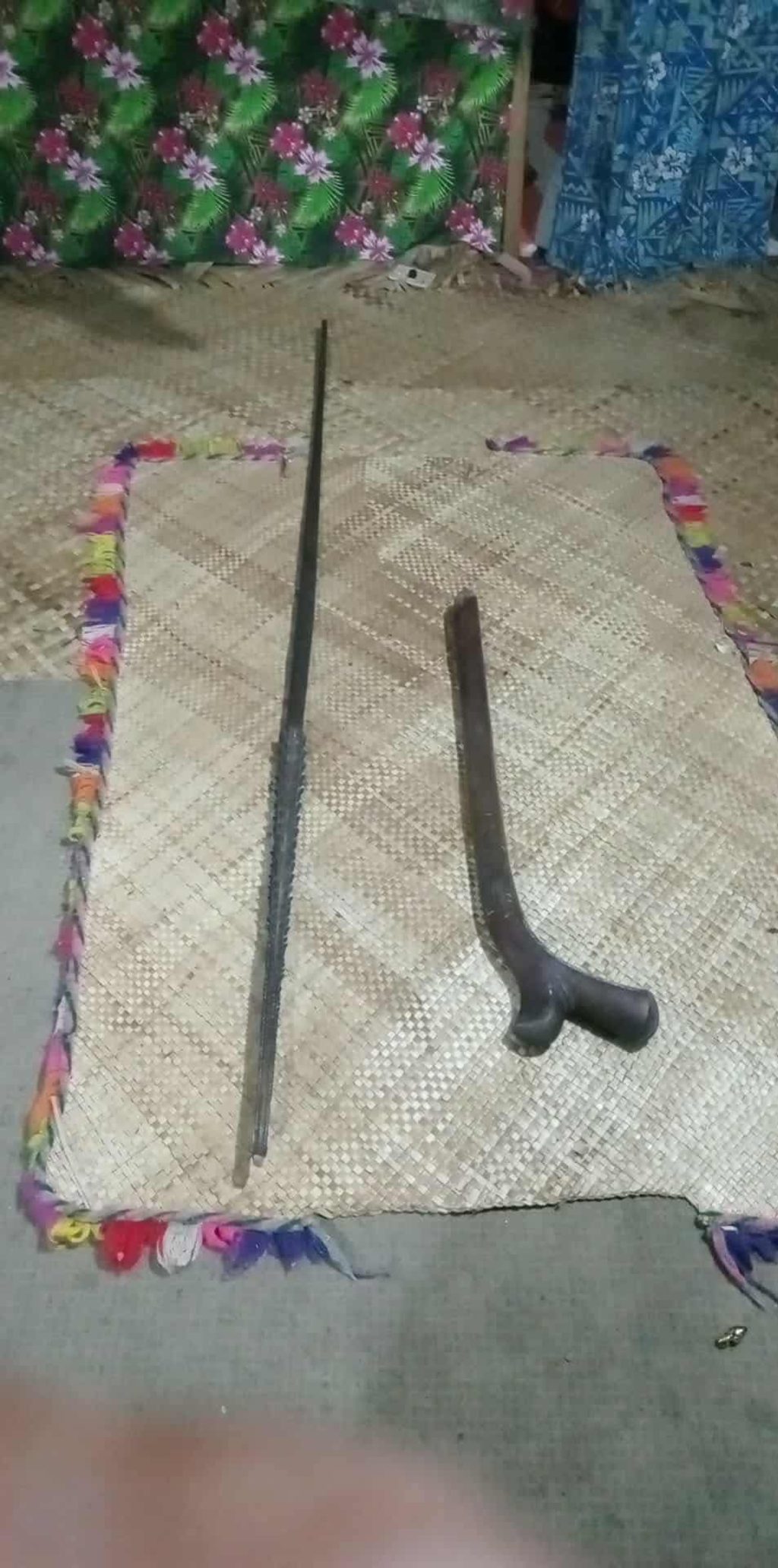
Weapons that were used to protect the Tui Namosi and his people, a spear and war club kept by the mataqali.
Picture: TOMASI VAKADRANU
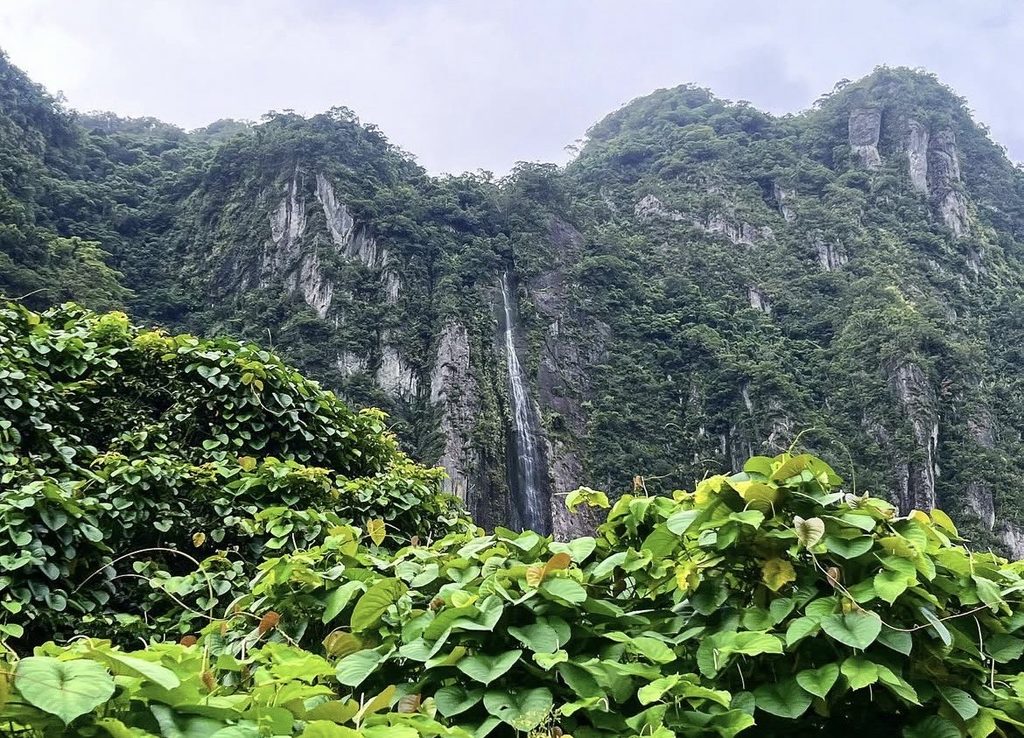
Many menacing stonefaces, some bearing caves, can be found in the highlands of Namosi. Picture: ANA MADIGIBULI.

