
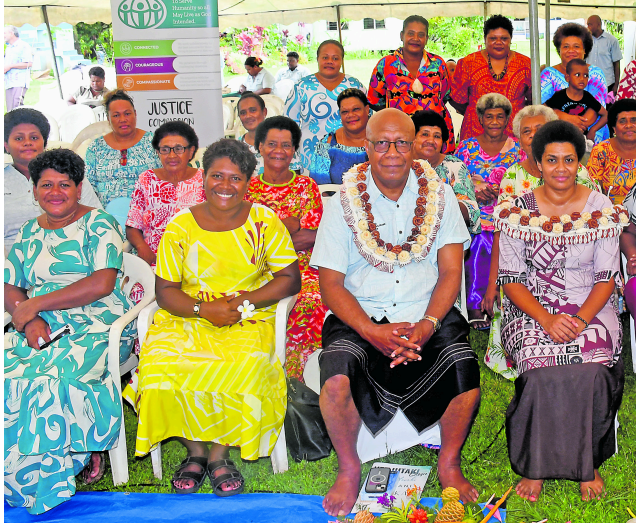
The handover of the SHAPE-CAR project in Rewa marked a new chapter for villagers now equipped to continue climate resilience and livelihood programs independently.
The Sustainable Health, Agriculture, Protection, Empowerment, Climate Action and Resilience (SHAPE-CAR) project was implemented in collaboration with New Zealand’s Ministry of Foreign Affairs and Trade and ADRA.
Roko Tui Rewa Kitione Raibevu said the province had spent the past two years working closely with partners to ensure the project was fully aligned with the Rewa Strategic Development Plan (SDP).
“It’s an honour and privilege working with the project for the past two years. We’ve been so blessed with the programs and all its activities,” Mr Raibevu said.
He said the province had already developed its strategic development plan and integrated activities with partners so community work was embedded across villages.
“All the activities are compounded within the SDP of the province and filtered into our villages. It really takes the plan into action.”
He highlighted climate-smart agriculture and conservation as key achievements for communities in the Rewa Delta, where mangroves remain central to livelihoods.
“We live and we breathe with mangroves. The mangroves in Rewa are a source of everything — a source of food and economic livelihood. Their protection was part of the program.”
Mr Raibevu said exchange-learning visits with other provinces and projects supported by the Fiji Water Foundation had strengthened community capacity and exposure.
“Through exchange learning and sharing ideas with other provinces, it has elevated the SHAPE-CAR project and our village members to another level.”
He said the initiative had shifted the focus of development towards household self-sufficiency through backyard gardening and planting fruit and food trees.
“Once we are self-sufficient in our household, then we can expand to be a self-sufficient village and elevate our economic level.”
Mr Raibevu said the hand-over signalled confidence that the province had the tools to continue the work but stressed the need for ongoing support.
“The project has reshaped how we look at resources. We believe we will make it sustainable, but we need continued support and assistance to persevere and strengthen development in the province.”

