
OUTDATED land and environmental laws inherited from colonial administrations are failing to protect Pacific communities from climate-related conflict, a High Court judge has warned.
Speaking at the Pacific Voices for Global Peace dialogue on Saturday, High Court judge Justice Thushara Rajasinghe said many Pacific nations continue to operate under legal frameworks that were never designed to address modern challenges such as disappearing coastlines, forced relocations and climate-driven disputes over natural resources.
“Our environmental and land laws are very archaic,” Justice Rajasinghe said.
“There is a need to update them to meet the realities of climate change and the challenges it brings.”
He said relocation and climate adaptation decisions were increasingly triggering disputes, particularly when communities felt excluded from decision-making processes or believed resources were being distributed unfairly.
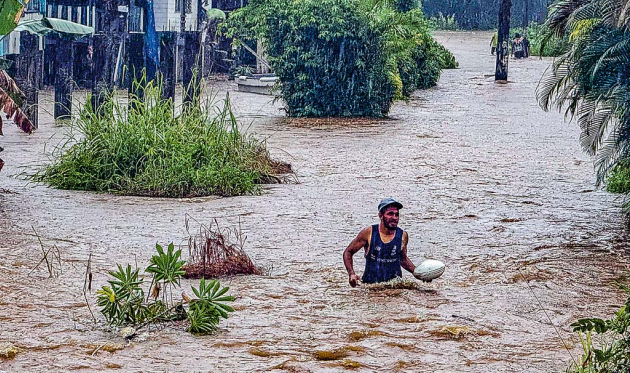
Justice Rajasinghe noted that land ownership disputes were on the rise as sea-level rise, coastal erosion and flooding forced communities to relocate or encroach across traditional boundaries.
“Land is central to many of these disputes because it is deeply connected to the lives of Pacific people, their culture, history and identity.”
He warned that failure to reform outdated laws could worsen long-standing intergenerational conflicts, especially in rural and coastal areas where traditional land ownership systems intersect with growing climate pressures.
Justice Rajasinghe called for urgent updates to legal statutes, stressing the importance of cultural sensitivity and meaningful community engagement in the reform process.
He said chiefs, elders, women and young people played a critical role in resolving disputes and maintaining social cohesion.
“When adaptation and relocation resources are perceived to be distributed unfairly, it can fuel mistrust and social tension.”
“Legal reform is not just about governance; it is about protecting people, culture and peace in the Pacific.”

