
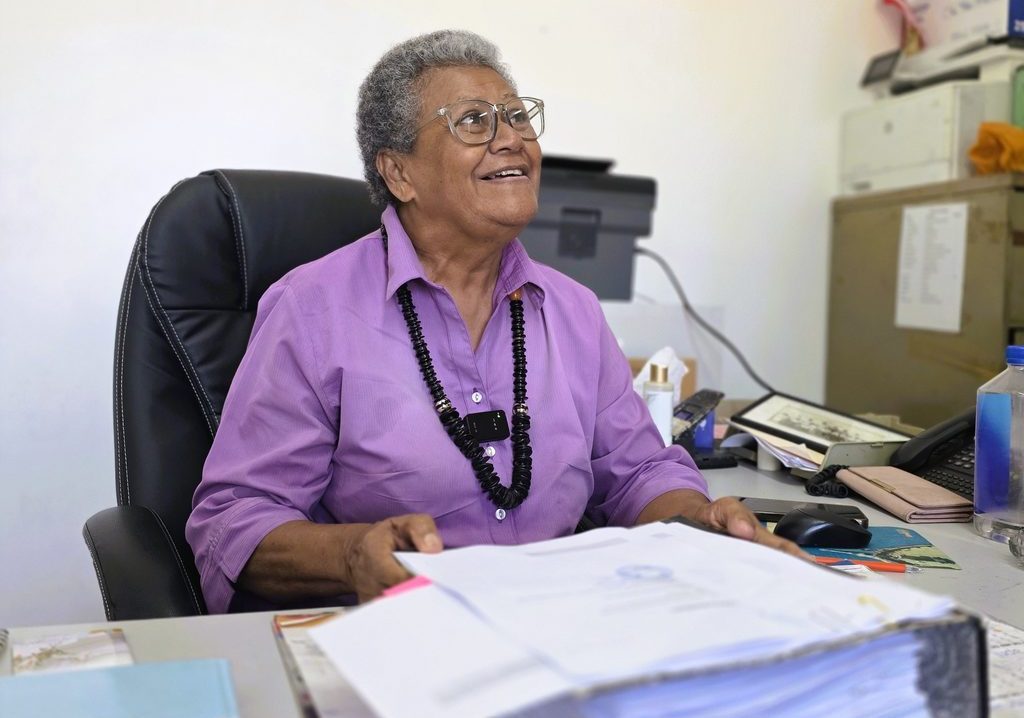
When Vasiti Fuli walked into the Fiji Ex Servicemen’s After Care Fund office on March 18, 1973, she was just 18 years old and unsure of where her working life would lead.
More than five decades later, she has signed off as the assistant secretary of the fund, having spent her entire adult life serving Fiji’s ex-servicemen, their widows and families, and witnessing the transformation of a statutory body that began humbly in a corner office and grew into a critical support institution.
“I never planned to become a civil servant, it just happened,” she said.
Roots in Viwa and Levuka
Born on the island of Viwa in Tailevu, Ms Fuli is the youngest of five children. Her parents were teachers, and much of her childhood was spent in Levuka, where they were posted.
Growing up as the youngest, she said, came with its own privileges.
“By the time I was growing up, my siblings were already in high school or working,” she said.
“Everything was done for me.”
She attended Levuka Public School from Class One through to secondary school before leaving school at 18 and moving to Suva to stay with her sister.
A job that became a calling
Ms Fuli’s entry into public service was not planned.
She initially imagined a future in the tourism industry.
However, opportunity presented itself when the After Care Office, then run by an English woman, Mrs Nelson, needed temporary assistance.
Although the office operated as a statutory body, it was small and modest and Mrs Nelson, who was nearing 60 at the time, was looking for an assistant to help with daily operations.
“I was meant to help her temporarily,” Ms Fuli said.
But the work, particularly serving elderly ex-servicemen, had a lasting impact.
“Once I started working there, especially with the ex-servicemen, my heart was drawn to them,” she said.
“That is why I stayed.”
Caring for wartime veterans
In 1973, the After Care Fund primarily supported Second World War veterans.
There were about 350 recipients at the time, including ex-servicemen, their wives, widows and children.
“It was a challenge working with elderly veterans,” Ms Fuli said.
“But Mrs Nelson and I did everything we could to help them.”
Over time, the scope of the fund expanded.
In 1992, the Malayan Campaign veterans were included.
Christmas Island veterans followed in 2002, peacekeepers in 2007, and later those who served overseas on tours of duty.
With each expansion came new responsibilities and greater demands on the small office.
Growing the institution
One of Ms Fuli’s proudest achievements is witnessing the growth of the After Care Fund itself.
“We started with just two of us and two tables in a corner of an office under the Ministry of Finance,” she said.
As recipient numbers grew, the office expanded, relocated several times and increased its staff. At its peak, the fund employed 10 staff members.
Committee meetings were often held wherever space could be found, including once at the Cabinet Office.
Mrs Nelson stepped down in 2007.
Today, the fund operates from the fifth floor of Ro Lalabalavu House, under the leadership of secretary Serevi Vananalagi.
Challenges and changing governments
Securing adequate funding was a constant challenge throughout Ms Fuli’s career.
“We had to work hard to justify our grants and present our needs properly,” she said.
“If we did that well, we usually received the support required.”
Having worked through multiple governments and political eras, she said she learned early that while governments change, the civil service remains.
“As a statutory body, we are governed by a committee and guided by rules and regulations,” she said.
“If you follow the civil service code of conduct and do your work properly, you will not go astray.”
She also witnessed major shifts in public service culture, from a colonial-era system of strict hierarchy to a modern workforce where civil servants are more vocal and expressive.
Pride in public service
Despite the challenges, Ms Fuli remains deeply proud of her career.
“Yes, I am very proud,” she said.
“I loved working with ex-servicemen and their families.”
She advises young and aspiring civil servants to work hard, follow the rules and regulations, and “follow your heart”.
Looking ahead
As she prepares for retirement, Ms Fuli hopes the After Care Fund will one day become less reliant on government grants and develop its own sustainable income streams.
She plans to rest and spend time between her village home and Levuka.
When asked what kept her motivated for more than 50 years, her answer was expected but indeed showed immense passion and loyalty.
“The work itself,” she said.
“Looking after ex-servicemen and their families motivated me to work hard and honestly.”
She also acknowledged those who supported her journey, particularly her late husband, Mr Saiasi Fuli, an ex-serviceman and former Ministry of Finance accountant.
“When I did not understand something, I turned to him for advice,” she said.
As Ms Fuli steps away from a lifetime of public service, she most definitely leaves behind a solid legacy, defined not just by rank, but more importantly by dedication, integrity and service to those who once gave their lives for the safety and wellbeing of Fiji and its people.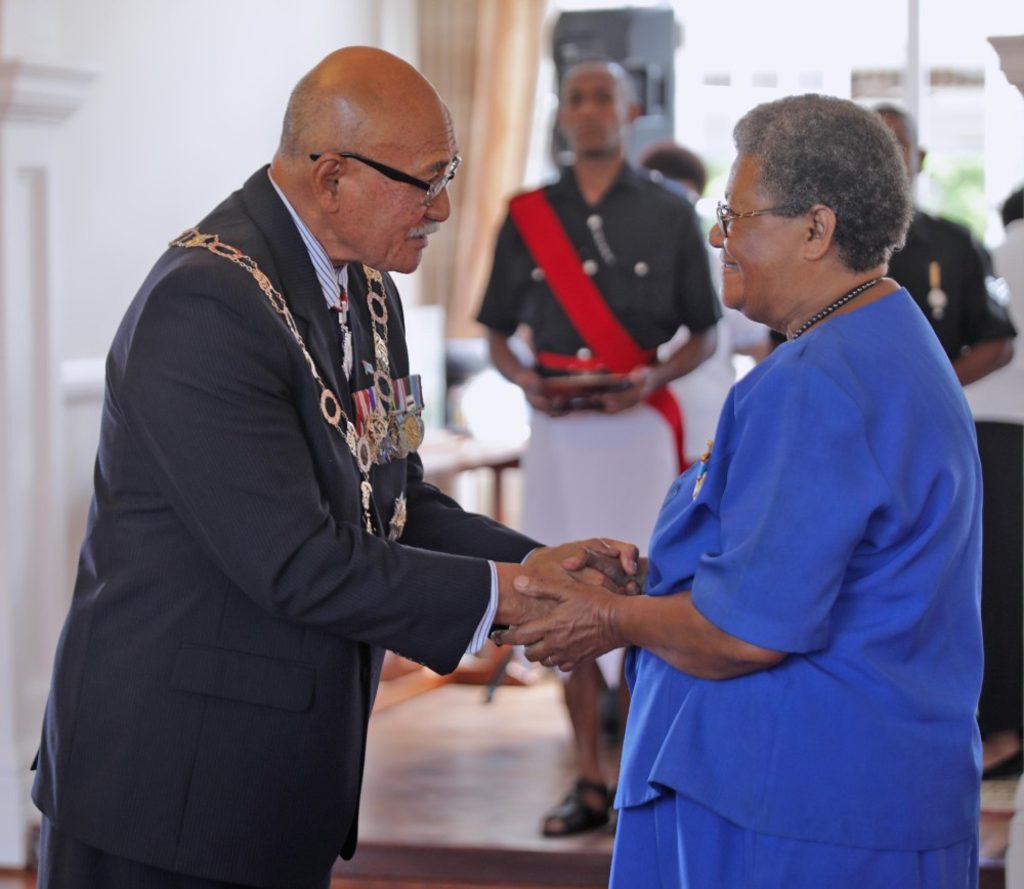
Vasiti Fuli is awarded the Fiji 50th Independence medal by former President Maj Gen Jioji Konrote in 2020. Picture: FIJI GOVERNMENT

RFMF First Battalion soldiers march through Suva, on December 22, 2025, marking the end of Fiji’s 21-year peacekeeping mission in Iraq (UNAMI). Picture: FIJI GOVERNMENT
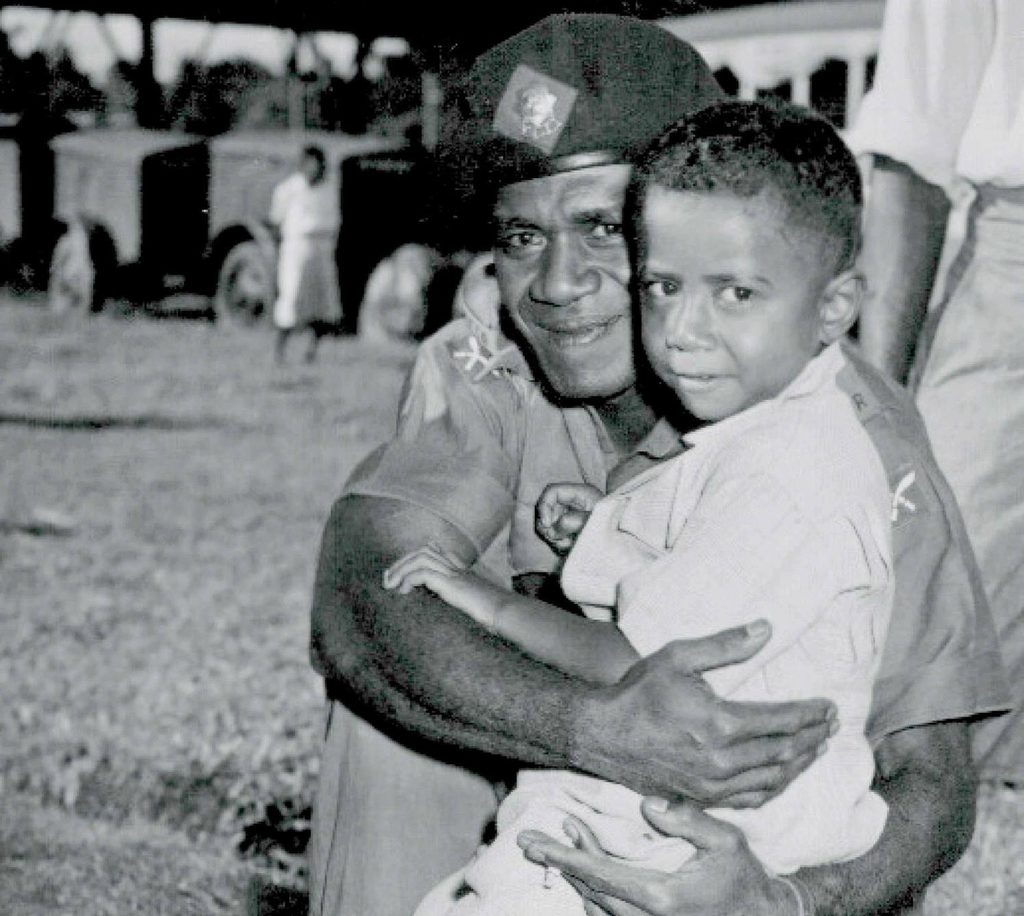
A Fijian soldier who served in the Malayan Campaign pictured here with his son in 1952. Picture: NATIONAL ARCHIVES OF FIJI
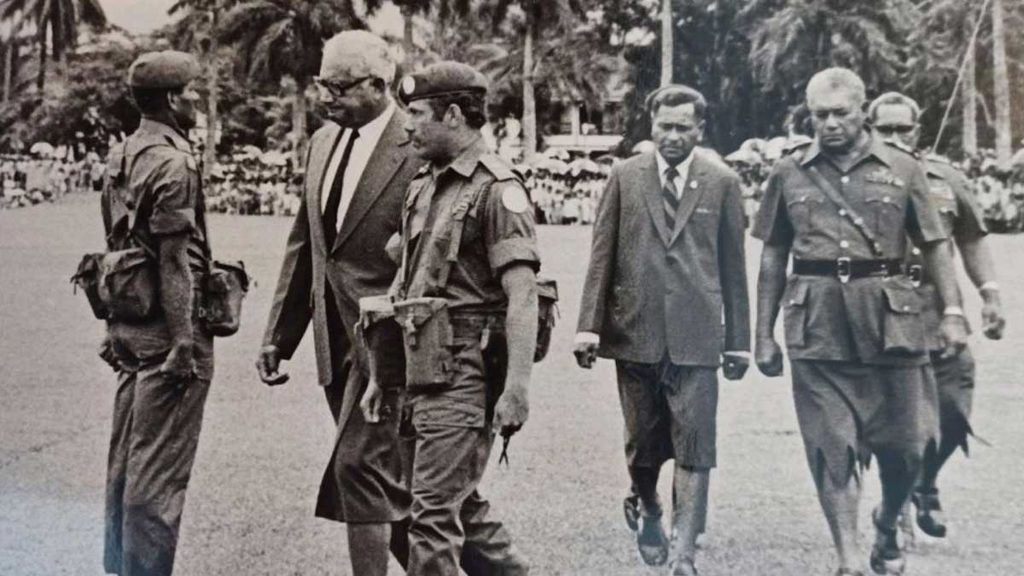
Former RFMF Chief of Staff, Col Jim Sanday escorts late former Prime Minister Ratu Sir Kamisese Mara during the farewell of the first contingent of the Fiji Battalion to Sinai at Albert Park in 1982. Picture: SUPPLIED

