
It is overwhelmingly clear that many heads of the vanua are up in arms against illicit drugs.
Those who are coming out are quite vocal and have one thing in common.
They want nothing to do with hard drugs. They want those peddling them harshly dealt with, and some say they will push for their removal from their villages.
Now this is serious business, and the response is also serious. There is frustration. They feel strongly about their qoliqoli being used to transport drugs. They feel strongly about their land being used as corridors for this poison.
There is anger intertwined in all this, born out of fear for the future. It speaks volumes of the impact of the drug bust at Vatia in Tavua a fortnight ago.
That seizure has, without a doubt, jolted the nation. It has stirred emotions within communities and motivated traditional leaders into speaking out. The vanua is making a statement. Enough is enough!
We have always said the police cannot do this alone. It needs the support of the people. It needs the support of the vanua. Now that support, it seems, is quite strong.
But that is just half of the equation, if we can call it that. The real challenge will no doubt be action.
Words of condemnation must translate into sustained effort on the ground.
That must include awareness campaigns, lessons about the dangers of drugs, and honest discussions about the impact of addiction.
We cannot ignore the associated factors, including the transmission of HIV and other related illnesses, that ride on the back of substance abuse.
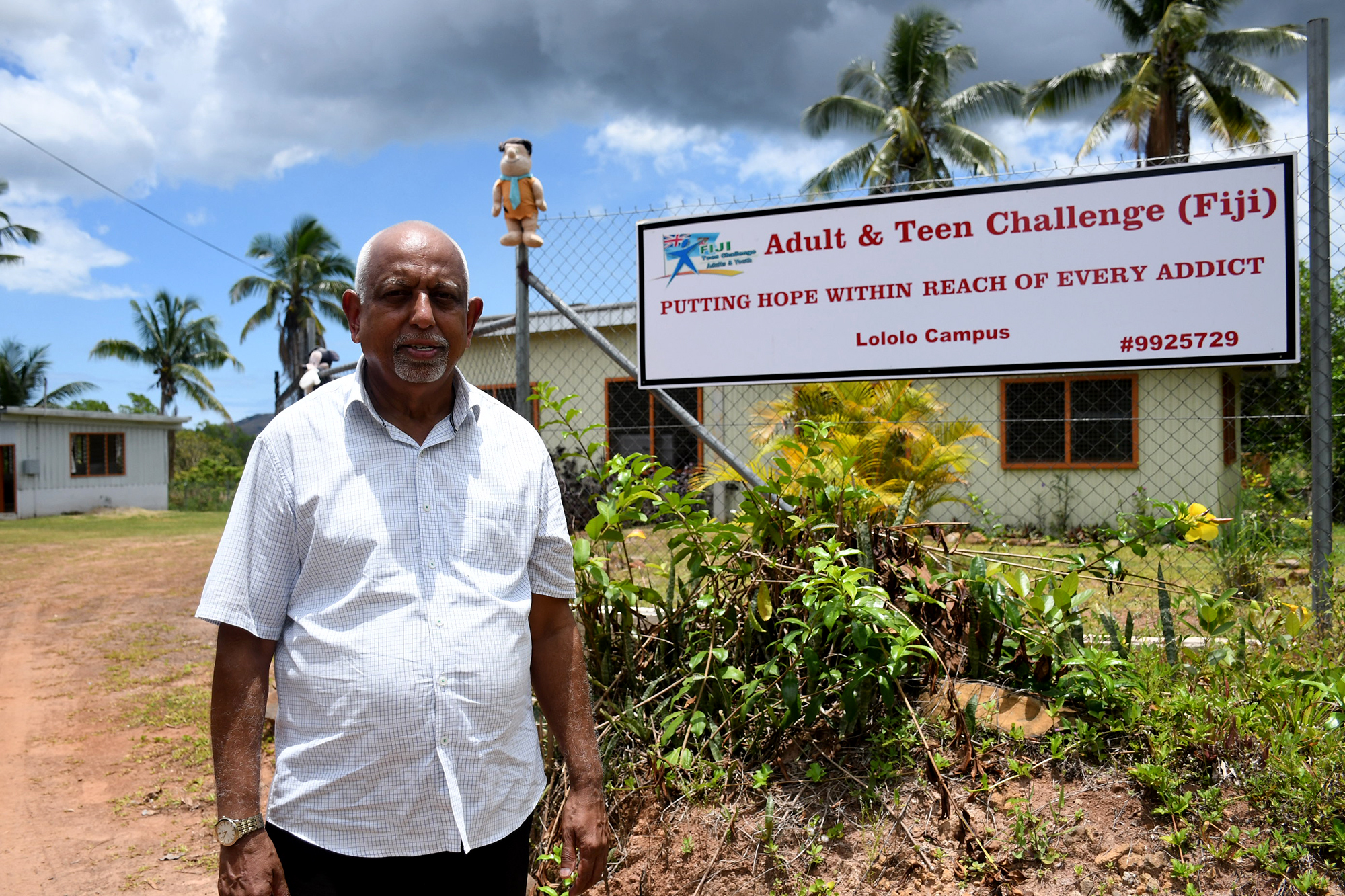
Now that we are seeing strong public condemnation, we once again acknowledge the powers that be for the emphasis on rehabilitation for drug addicts. This is the way to go. We have been saying this for four years, and we continue to raise it as an issue of critical importance.
Enforcement alone will not solve this crisis. If we do not treat addiction as a health issue alongside a criminal one, we will continue to chase our tails.
We welcome the timeline given this week that a rehabilitation hospital will be up and running in two years’ time.
That is encouraging. It gives the nation something tangible to hold on to.
But the big challenge will be how we factor in rehabilitation work over the next two years. Where do our addicts turn to in the meantime? We know the challenges they face trying to give up the habit. It is not as clear-cut as we would want it to be.
On June 26, 2020, we spoke to then Assistant Superintendent of Police Anare Masitabua, who was officer-in-charge of the Police Criminal Investigation Department’s Drug Unit. He spoke about how addicts were taken and left at St Giles Hospital at the time. Methamphetamine was one of the most dangerous drugs in Fiji, he revealed.
Since methamphetamine withdrawal can be extremely painful and difficult, most abusers relapse.
He revealed that 93 per cent of those in traditional treatment returned to abusing methamphetamine.
Withdrawal can last from 30 to 90 days, depending on the severity of addiction. Without structured, specialised support, many simply cannot endure the process.
Dr Ifereimi Waqainabete, the Minister for Health at the time, also noted that managing people who had ingested drugs was complex. Extensive investigative work was often required to arrive at a proper diagnosis.
Addiction is not a simple matter of willpower. It is layered, medical and psychological.
We live in a nation that is slowly finding itself gripped by a scourge that has destroyed thousands of lives around the world. The warning signs are there. The vanua has spoken. The police are acting. Government is promising infrastructure. But promises and passion must now meet planning and persistence.
We say awareness is a critical element of the campaign against hard drugs. So is a functioning rehabilitation centre where addicts can receive appropriate treatment and be supported through recovery with dignity.
In the end, this is also about saving lives, protecting our vanua, and securing the future of our young generation.

