
When the curtain rises on the Commonwealth Games in Glasgow this July, it will mark a remarkable rescue mission for one of the world’s largest multi-sport events and a new chapter for Fiji’s athletes.
Originally awarded to Victoria, Australia, the 2026 Games were thrown into turmoil when the Victorian government withdrew in 2023, citing ballooning costs that threatened to spiral beyond A$7 billion.
The decision left the Commonwealth Games Federation scrambling but Glasgow stepped forward in late 2024 to host a leaner, more affordable edition.
Scotland’s largest city, which successfully staged the Games in 2014, will now welcome around 3,000 athletes from 74 nations between July 23 and August 2.
With existing venues and a budget of £130–150 million, Glasgow promises a “lighter and leaner” Games, funded largely through settlement money paid by Victoria.
The streamlined programme features just 10 sports, half the size of Birmingham 2022, making this the smallest Games since 1994.
The sports roster reflects the new financial reality. Athletics and swimming remain central, joined by boxing, judo, artistic gymnastics, track cycling, lawn bowls, netball, weightlifting and the fast-rising 3×3 basketball format.
Para-sport integration is a highlight, with wheelchair basketball, para-athletics, para-swimming and para-bowls woven directly into the schedule.
More than 200 gold medals will be contested, with Glasgow set to deliver one of the most inclusive para-sport programmes in Commonwealth Games history.
Notably absent are several crowd favourites: rugby sevens, cricket, hockey, badminton, squash, table tennis, diving and beach volleyball.
For Fiji, the exclusion of rugby sevens, long a source of national pride and medals represents a significant shift.
The men’s and women’s teams won silver in Birmingham 2022 but the sport will not feature in Glasgow.
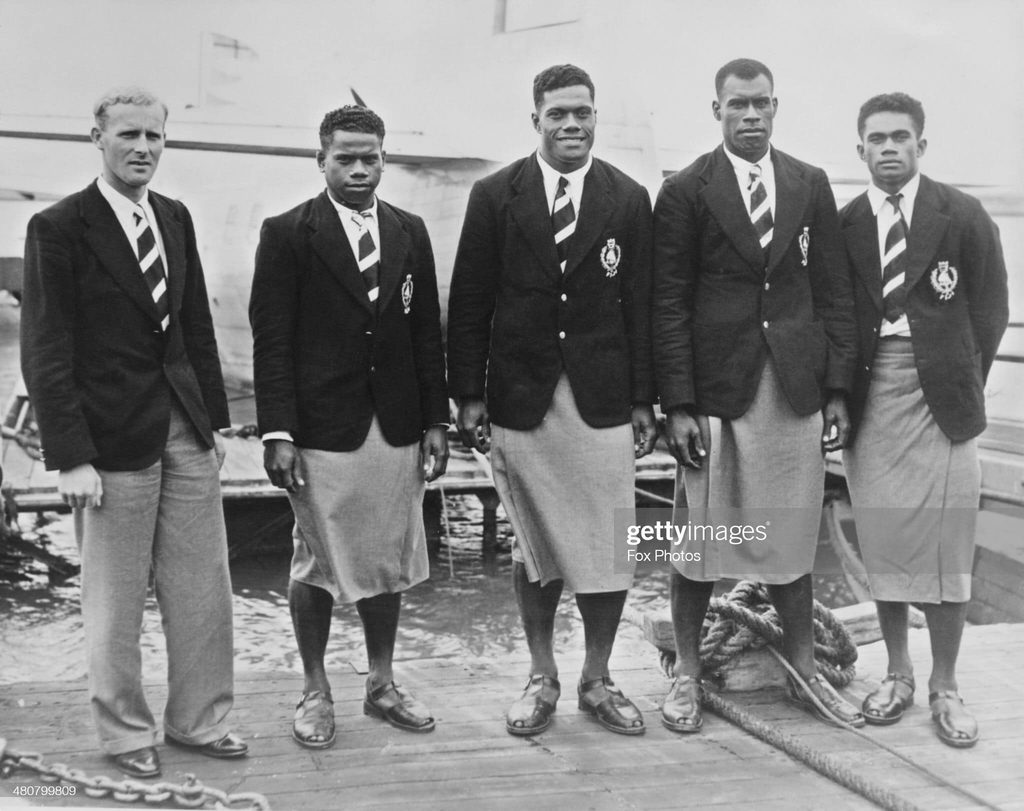
Fiji’s history at the Games stretches back to 1938, with 17 appearances to date. Over the decades, Fiji has amassed 23 medals: 4 gold, 7 silver and 12 bronze.
Highlights include boxing triumphs in the 1970s and 1980s, judo success in Manchester 2002 and weightlifting glory at Gold Coast 2018. Rugby sevens has delivered multiple silvers and bronze medals.
At Birmingham 2022, Fiji captured four medals – two silvers in rugby sevens and bronzes in weightlifting and para-athletics.
With rugby sevens absent this time, Fiji’s medal hopes rest on individual sports such as weightlifting, boxing, athletics and swimming.
Chef de Mission Ajay Ballu will lead a delegation of around 72 athletes across eight sports: athletics, para-athletics, swimming, boxing, judo, lawn bowls, weightlifting and 3×3 basketball.
Fiji did not qualify for netball and will not field teams in track cycling, artistic gymnastics, or para-powerlifting.
Preparations are well underway. Weightlifting Fiji has staged a six-week training camp in Samoa, with the World Cup in Apia serving as a final qualifier. Athletics Fiji has rolled out a domestic competition calendar to sharpen athletes ahead of Glasgow. Meanwhile, Fiji’s 3×3 basketball teams secured qualification through regional victories, adding a fresh dimension to the nation’s sporting profile.
Among the standout names is Taniela Rainibogi, who won bronze in Birmingham and has already qualified for Glasgow in the men’s 110kg category.
His recent gold at the Commonwealth Championships in India in 2025 cements his status as a medal contender.
In the pool, rising stars David “Tolu” Young and Anahira McCutcheon bring youthful energy and international experience with both having competed at the Paris 2024 Olympic.
For Fiji, Glasgow 2026 is both a challenge and an opportunity.
The absence of rugby sevens removes a familiar pathway to the podium but it also shines a spotlight on individual athletes striving to carve their own legacies.
Before the Games begin, Fiji will play host to the King’s Baton Relay from 25 February to 2 March 2026.
The baton, carrying King Charles III’s message to the Commonwealth, will travel through schools, villages and towns across the islands.
It is a chance for Fiji to showcase its culture, creativity and sporting spirit to the world.
Local designers have been invited to craft a uniquely Fijian baton, which will later feature at the Glasgow Opening Ceremony. The baton design will be unveiled on 25 February.

