
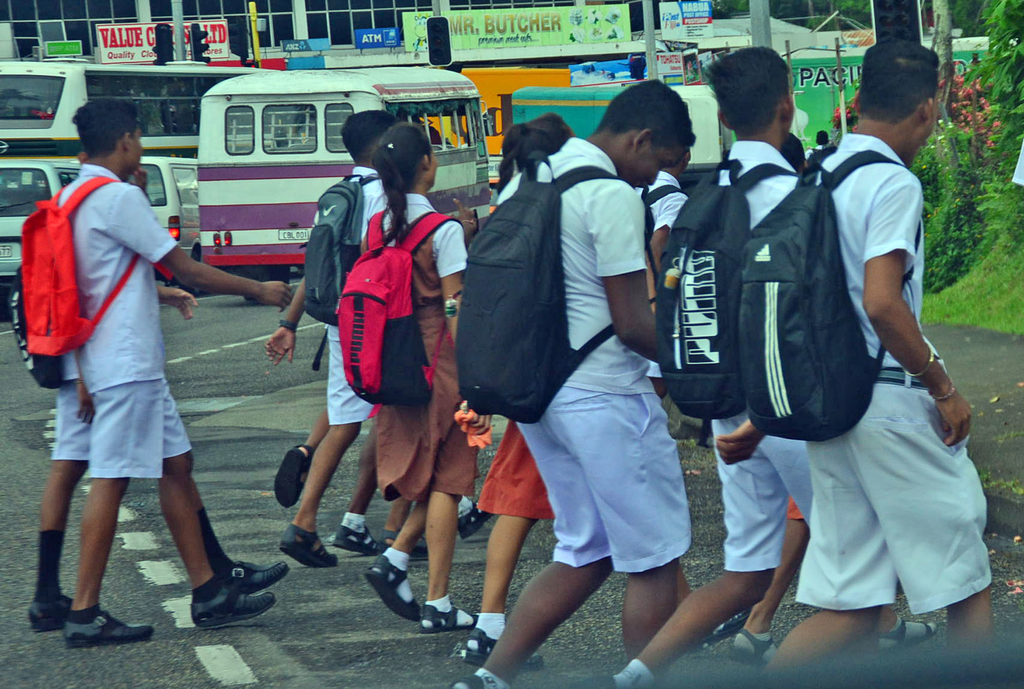
AS thousands of students across the country returned to classrooms yesterday to begin the 2026 school year, many parents in Vanua Levu were still lining up at the Northern Divisional Education Office, seeking clarity on the $200 back-to-school assistance for their children.
For them, the new term has not begun with excitement. There is anxiety and unanswered questions.
However, there is no denying that the first day of school commands national attention every year. It symbolises hope, renewal and opportunity.
It is also a time when leaders traditionally remind us of our shared responsibility in shaping the next generation.
Last year, Prime Minister Sitiveni Rabuka urged parents to take an active role in fostering discipline and supporting their children’s education. He spoke about confronting the challenges within our education system and emphasised the critical role parents play in shaping their children’s success, particularly through instilling discipline and teaching sound time management.
Opposition Leader Inia Seruiratu echoed similar sentiments, urging parents and guardians to be present and involved in their children’s lives.
Education, he said, thrives on strong partnerships between families and educators. Without that collaboration, the foundation of academic success is weakened.
Both leaders are right. Parents and guardians are central to the educational journey. Schools can provide the curriculum, teachers can deliver lessons, but the values of discipline, respect, perseverance and responsibility are first nurtured at home.
As we encourage our children to embrace the new school year, we must also reflect on the environment in which learning takes place. The return to school inevitably brings heavy traffic around urban centres. Congestion during peak hours will test patience. Many parents will leave home before dawn and return late in the evening as they juggle work and family commitments.
Frustration on the roads, however, must never override safety. Drivers must remain vigilant and exercise caution, especially in school zones where young children may be crossing. A moment’s impatience can have lifelong consequences. Road safety is as much a part of the back-to-school conversation as books and uniforms.
Beyond logistics lies the deeper question. How well are we laying the foundation for our children’s future?
We say education remains one of the most powerful tools for national development. It opens doors, broadens perspectives and creates pathways out of poverty. But its true value is realised only when parents are engaged, when they monitor progress, attend meetings, communicate with teachers and encourage consistent effort at home.
Setting a strong base goes beyond paying fees or purchasing stationery. It demands time, interest and commitment. It means understanding our children’s strengths and weaknesses. It means helping them manage distractions and instilling in them an appreciation for learning. It also calls for a shift in mind-set among some parents and guardians, from seeing education as solely the school’s responsibility to recognising it as a shared mission.
Our children will rise to the expectations we set. If we prioritise education, so will they. If we demonstrate discipline, resilience and ambition, they are more likely to mirror those traits.
As the 2026 school year begins, let us resolve to do more than just send our children to school. Let us walk alongside them in their journey. Let us ensure that financial assistance reaches those who need it, that our roads are safe, and that our homes reinforce the lessons taught in classrooms.
The future of this nation sits in those school desks. We wish all our students, their teachers, parents and guardians the very best in 2026.

