
Data identifying more than 10,000 families facing serious economic hardship has been cited by the Fiji Council of Social Services (FCOSS) as evidence that the Draft Education Bill 2025 does not adequately address the realities preventing children from attending school.
Making its submission to the Parliamentary Standing Committee on Justice, Law, and Human Rights yesterday, FCOSS said research and community engagement work showed that poverty, disaster disruption, and weak child protection safeguards continued to undermine access to education, despite tuition being free.
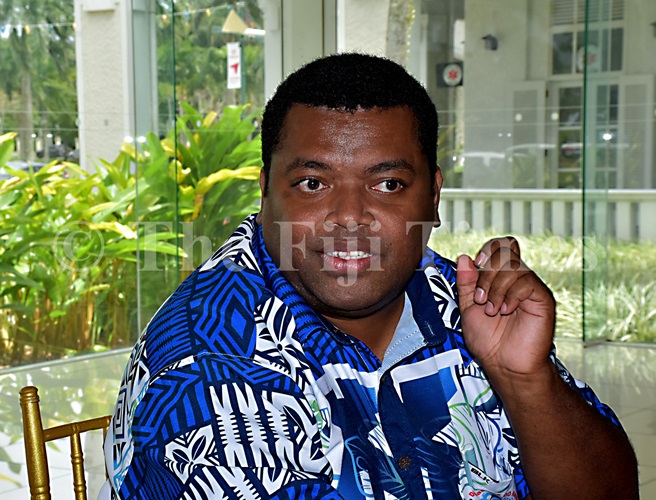
FCOSS program manager Josaia Tokoni said the Bill contained positive reforms but failed to respond to the lived experiences of vulnerable families.
“FCOSS supports provisions on free and compulsory education under Clauses 7 and 8, the prohibition of corporal punishment under Clause 73, inclusive education measures under Clause 40, and the establishment of an Education Advisory Council under Clause 13.” Mr Tokoni said.
“These are important steps forward, however, when we look at the realities on the ground, there are still major gaps that affect children’s ability to stay in school.”
Community engagement and project officer Selai Toganivalu told the committee that data from work conducted with Save the Children Fiji had identified more than 10,000 beneficiaries facing severe economic challenges.
She said the findings showed that a uniform approach to parental responsibility did not reflect the pressures faced by low-income families.
“A one-size-fits-all approach does not work, some families are dealing with extreme hardship, and those realities directly affect school attendance.” Ms Toganivalu said.
Mr Tokoni said the bill failed to address what FCOSS described as the “hidden costs” of education, including transport, uniforms and learning materials.
“Education may be free, but it is not cost-free, these expenses remained a major barrier for many families, particularly in rural and maritime communities.” Mr Tokoni said.
FCOSS also raised concerns about disaster resilience, citing research on the impact of cyclones and emergencies on schools between 2016 and 2021.
Mr Tokoni said Fiji’s education system was repeatedly disrupted during disasters, yet the bill contained no framework to ensure learning continuity.
Mr Tokoni said the bill was not fully aligned with the Child Care and Protection Act 2024 and did not clearly require mandatory reporting by all school personnel.
FCOSS also said children with disabilities required stronger protection, including legal recognition of Individualised Education Plans to support inclusive learning.
Based on its submission, FCOSS presented seven recommendations to the committee.
These included expanding the definition of vulnerable children, integrating mandatory child protection reporting, strengthening disability protections, expanding the Education Advisory Council to include civil society organisations, establishing a disaster resilience framework, empowering school committees through direct grant mechanisms under Part 11, and providing targeted support for parents through Community Learning Centres.

