
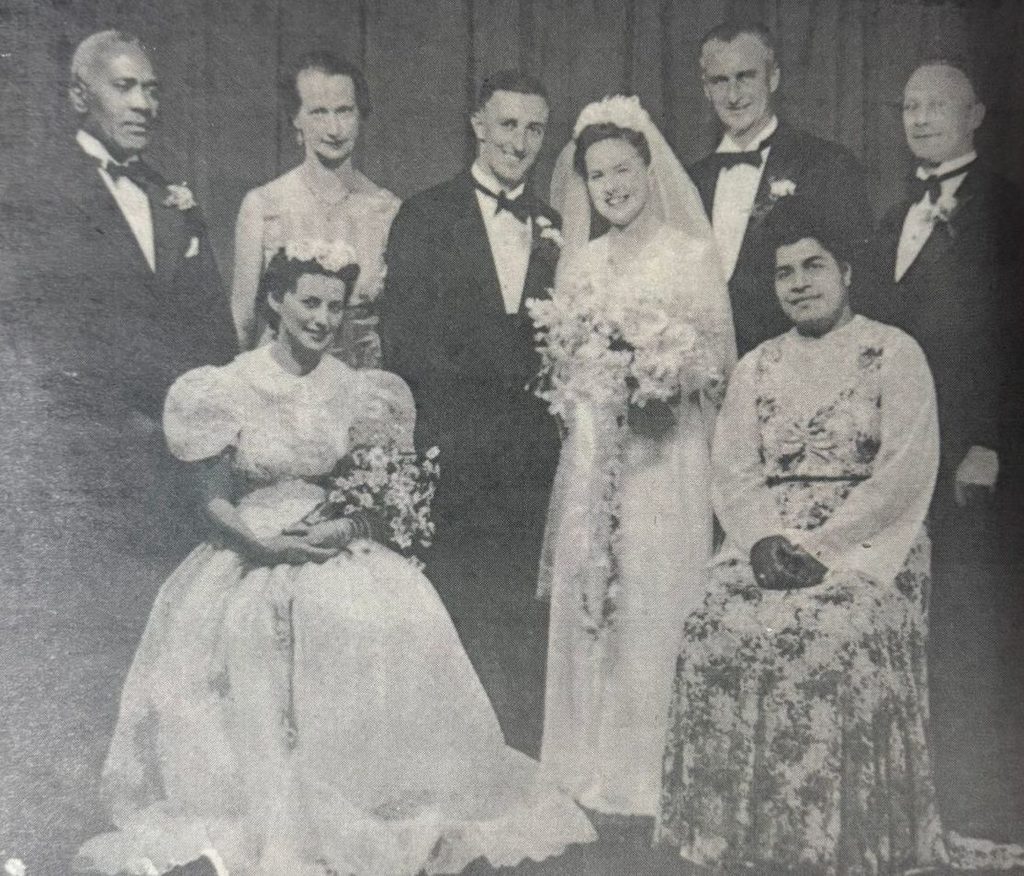
Sir Leonard Usher often stayed with Ratu Sukuna and Adi Maraia at Lomaloma, Vanua Balavu, during the time Ratu Sukuna served as Commissioner for Lau.
They frequently drank home brew with Tom Stockwell, who was then managing the Morris Hedstrom store in Lomaloma.
It was there that Sir Leonard Usher learned from Stockwell and Ratu Sukuna of the remarkable properties they claimed to have discovered in a fine burgundy, which Morris Hedstrom imported in bulk for certain customers, Stockwell among them. The two men told Sir Leonard they had learned that if either of them was going to sea and drank a bottle of that wine before sailing, the ship would not go on the reef.
They eventually had an opportunity to test that important quality. Sir Henry Scott had been fishing in Lau waters, and when he found that Ratu Sukuna and Sir Leonard Usher planned to sail to Suva, he arranged to stay a night with Ratu Sukuna and take passage with them the next day. Mindful of Sir Henry’s safety, Ratu Sukuna and Sir Leonard Usher rose early and went to Stockwell’s house on the beach. As there were to be three travellers, they thought it prudent to drink two bottles of the burgundy.
Sir Henry was a conventional soul, and when he arrived at the beach and found they had been drinking burgundy before breakfast, he was horrified. However, they explained that it was for his own good and later proved it; they eventually arrived in Suva, and the ship had not gone on the reef.
Ratu Sukuna had his own personal way of smoking, and Sir Leonard Usher did not think even the most fervent opponent of tobacco could have claimed the habit put his health in great danger. He smoked suluka, which in his case consisted of a single thin strip of Fiji tobacco wrapped in a piece of dried banana leaf to form a thin cigar. A lighted match was applied to the end, and after a single draw, both the match and the cigar went out, requiring another match for the next draw. He carried his tobacco and pieces of banana leaf, cut to size, in an “On His Majesty’s Service” envelope.
One Christmas, Sir Leonard gave Ratu Sukuna a handsome kangaroo leather tobacco pouch. Ratu Sukuna thanked him warmly, but only a few days later, he apologised for having lost the pouch, and the familiar OHMS envelope returned with the cigar makings.
Ratu Sukuna was not a fluent orator, but he was a master of both the English and Fijian languages, which he went to great pains to polish with elegance and wit in their written form. If the word processor had been available in his day, it would have saved his secretary, Adi Losalini Dovi, a great deal of time. He made frequent changes to successive drafts, and the amended text had to be re-typed in full each time.
How Ratu Sukuna navigated British Army officialdom to join the French Foreign Legion at the outbreak of World War I was well-known. It was less well-known that he dealt with racial discrimination in the United States by donning a turban and presenting himself as an Indian prince.
He rejoiced in telling how he dealt with repeated interruptions to his commissioner’s work in Lau, which occurred due to being called to Suva for consultation. Finally, he responded to a call by proceeding to Suva in the very small Tagimaucia. He thoroughly enjoyed long spells, in a singlet and sulu, at the tiller of the little sailing vessel or sitting on deck, catching up with his reading of London newspapers, knowing he could not be interrupted by official business because of the limitations of the radio equipment on the Tagimaucia.
Upon arrival in Suva, he attended an Executive Council meeting with a bundle of envelopes containing council papers, all of which were obviously unopened. When the Governor, as chairman, announced the first item on the agenda, Ratu Sukuna carefully opened one of the envelopes, examined the contents, said, “No, not that one,” and replaced the document. He repeated the process until eventually he said, “Oh yes, this one. Please excuse me while I read it.” By the time he had worked his way through the agenda, official blood pressures around the table were high. From then on, however, the number of summons to Suva for consultation decreased dramatically.
Quite apart from the magnificent contribution Ratu Sir Lala Sukuna made to his native land and all its varied peoples politically and socially and in fostering understanding among races, his nimble wit made him a delightful and stimulating companion. This made the illness that caused the failure of his mind towards the end of his life all the more tragic.
The tragedy was heightened by his appointment as Speaker of the House of Representatives, an honour that was meant to be the crowning achievement of his outstanding career. Although no diagnosis of an illness was ever made public, Sir Leonard’s personal belief was that Ratu Sukuna had become a sufferer of Alzheimer’s Disease, the affliction that later robbed former US President Ronald Reagan of his memory and formerly lively self. As the illness grew, Ratu Sukuna’s memory failed, causing him personal distress.
As Speaker, Ratu Sukuna could not remember such formulae as, “The motion is… Will those in favour please say Aye, contrary No,” which in his long Legislative Council experience he had heard hundreds of times.
The then Colonial Secretary, Mr. A.F.R. Stoddart, had enlisted Sir Leonard’s aid, and the two men devoted their lunch hours to sitting in the parliamentary chamber. They went through the form of moving and seconding motions and beginning, conducting, and closing debates, helping Ratu Sukuna with the prescribed words. It was sad for them to see that formerly brilliant and acute mind struggling with words that had long been familiar; he was unable to say them and, in the end, had to surrender the honour he had so richly earned.
Sir Leonard learned a great deal from Ratu Sukuna, not only about Fiji but about an attitude towards life. At one time, a ship was to pick them up at Lodoni, Tailevu. It was late arriving, and they sat on a log beside the beach and talked. After a time, Sir Leonard stood up, walked to the water’s edge, and looked along the coast to see if the ship was in sight.
Ratu Sukuna said, “What are you worrying about? All your looking won’t make the ship arrive one minute earlier. Come back and sit here and talk”.
The advice was not a recipe for action, but it was good Fijian advice, and Sir Leonard Usher found that it could sometimes be practical as well as calming.
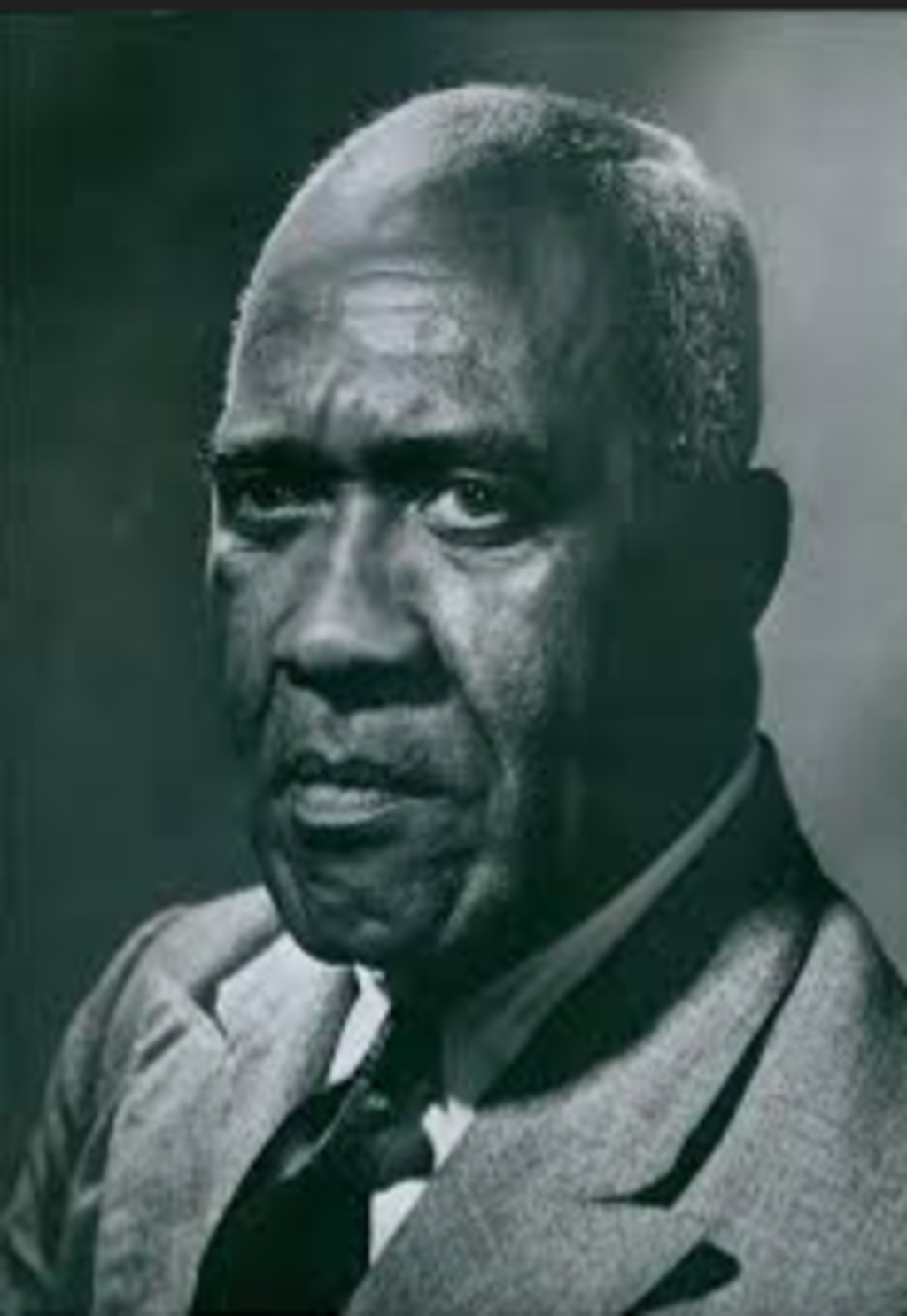
Ratu Sir Lala Sukuna. Picture: FILE.

