
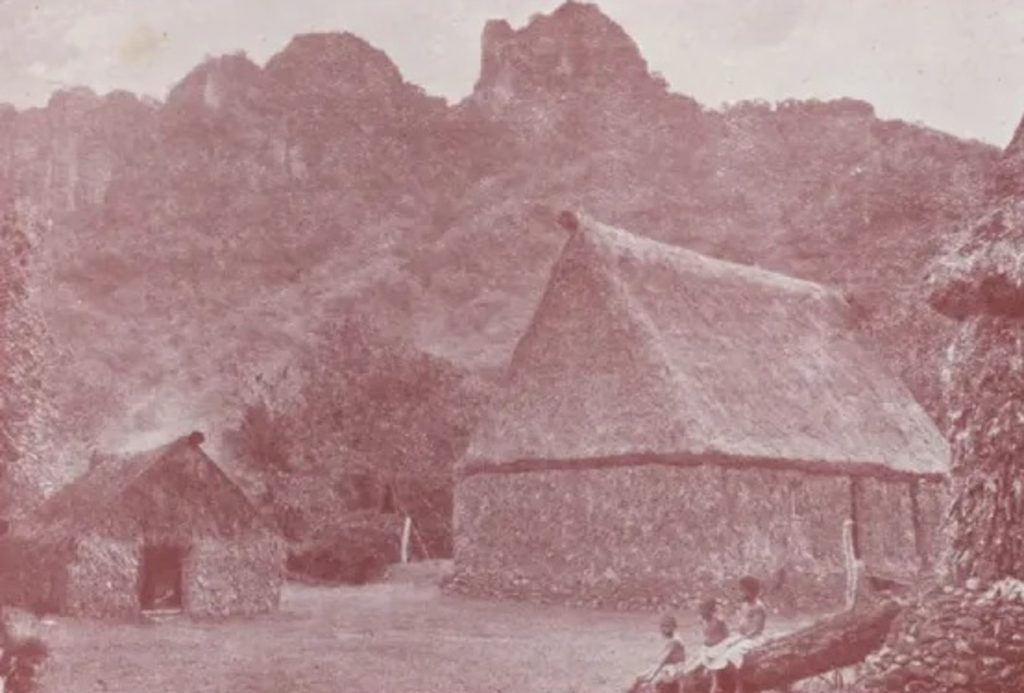
NAMOSI is situated far inland in one of the most mountainous parts of Viti Levu, some four thousand feet above sea level.
When missionaries travelled through Namosi in the early 1900s the area boasted of no roads but only bush tracks.
As Catholicism quickly thrived in villages of Namosi, it was common for priests and missionaries to travel on rough trails in the mountainous district.
To get to villages, Catholic missionaries had to walk, ride on horseback and travel by the river.
Communication (letters delivered) with the rest of the province was through the Waidina river, which finds its source in the rocky heights of Namosi.
The Missionaries’ Cave
Nestled quietly within the lush landscape of Dakuinaroba Bamboo Park just metres away from the source of the Waidina River lies an abri cave or rock shelter.
This abri cave is shielded from harsh natural elements and is located on the right side of Naitarataranicagi stone mountain.
The cave is known as the Missionaries’ Cave to the people of Nabukebuke as it was where Catholic priests seek shelter when travelling the rough trails of Namosi in the past.
To weary missionaries, the cave was a place of refuge and prayer after a long day of mission work in the remote rock-strewn district.
Custodians of the cave are members of the mataqali Namara of Navunibau Village in Namosi. They are the traditiona warriors of Tui Namosi, the paramount chief of the province.
According to mataqali Namara the cave served as a vital safe haven for early missionary priests like Father Joseph Brandon and Father James Ross during their arduous journeys to and from upper Namosi villages.
One of the most ambitious priests was French Catholic missionary, Father Pierre Joseph Emmanuel Rougier who converted more than 2000 people from Methodism to Catholicism in Namosi.
Mataqali Namara Trust, vice chairman Paulo Rauto said missionaries often travelled on foot through the rugged terrains, crossing forests, steep ridges and river valleys to fulfill their pastoral responsibilities and evangelism obligations.
As old paths ran along the foot of the Naitarataranicagi mountain just metres away from the Waidina river, it was common for travelling priests to face flooded waters and inaccessible trails.
One of the greatest challenges missionaries faced during their time in Namosi was the Waidina River — a river feared for its strong currents during a heavy downpour.
The mataqali said during heavy rains, the river swelled and flowed violently making it impossible and extremely dangerous for missionaries to cross or swim across.
When the river rises in fury and the passage becomes unsafe, missionaries would climb up Naitarataranicagi and would seek shelter in the abri cave.
Within the Naitarataranicagi stone walls, the tired missionaries were shield from the elements and given rest.
On that sacred space, the missionaries often reflected and prayed about their work and for protection.
They waited patiently, placing their trust in God until the floodwaters recedes and it’s safe to continue on their journey.
Today, the cave stands not merely as a natural formation but as a testimony of faith, courage and dedication of the brave Catholic missionaries who travelled through rough trails to convert Fijians.
The cave, according to the mataqali reminds visitors of the sacrifices made by missionary priests who braved nature’s dangers to bring spiritual guidance to remote communities in the district of Namosi.
The mataqali said, the Missionaries’ Cave has remained a silent witness to prayers whispered in times of uncertainty and to the enduring spirit of service that shaped the faiths of the Namosi people.
Priests that used the cave
Two priests that were strongly associated with the Missionaries’ Cave was the late Father Joseph Brandon and late Father James Ross.
Father Joseph served for more than 17 years in Namosi and was a frequent visitor to the cave during his mission work. He was born in Blackburn England in 1916, a professed Marist.
According to a Biographic Necrology of Oceania Marist Province from 1836 to 2011, Father Brandon after completing his theological studies was ordained a priest in 1940 at the age of 24.
He immediately became a chaplain in the Royal Air Force and served throughout World War II until 1949.
He arrived in Fiji in 1950 and after being posted to Suva, Lomary, Lami and Cawaci he was sent to Namosi.
Father Joseph had a stroke while serving as a priest and after his brief retirement he died in Suva at the age of 61.
When he died, the people of Namosi requested that his body be buried amongst them up in the mountains.
Fellow Marist priest, Father Ross was born in the heart of Dublin Ireland and was destined to walk a path far from home, carrying the light of faith that would one day brighten countless lives in Fiji.
His first appointment in Fiji was to Levuka, the old Capital in 1966. From there he moved to Savusavu where he served from 1967 to 1973.
In 1973, Father Ross was assigned to the remote mountains of Namosi. There he served for seven years offering more than just liturgies but fostering friendships and networks with the people of Namosi.
The two priests among others often used the cave to pray and reflect and to stopover when they were tired from mission work.
Some would just visit the cave to find solitude.
Today, the cave has a bench where visitors can sit and reflect on their own journey too.
There are also remnants of old kettle believed to have been used by missionaries in the late 1900s when they sought shelter in the caves.
History being the subject it is, a group’s version of events may not be the same as that held by another group. When publishing one account, it is not our intention to cause division or to disrespect other oral traditions. Those with a different version can contact us so we can publish your account of history too — Editor.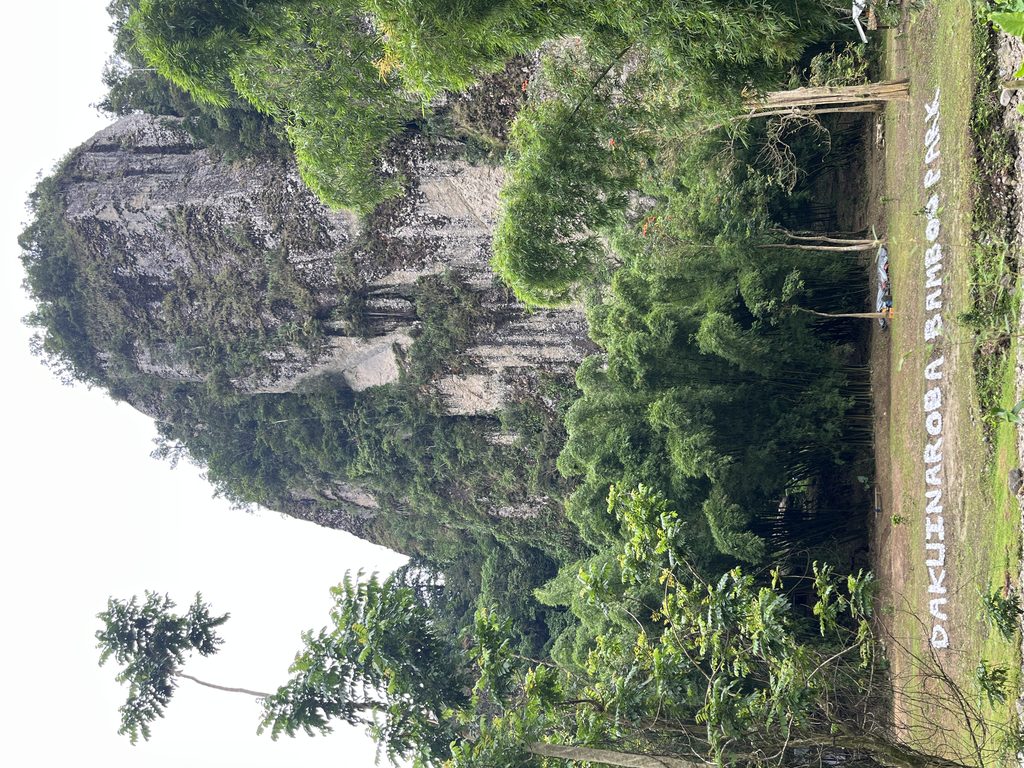
Above: Natarataranicagi mountain in Navunibau, Namosi.
Picture: KATA KOLI
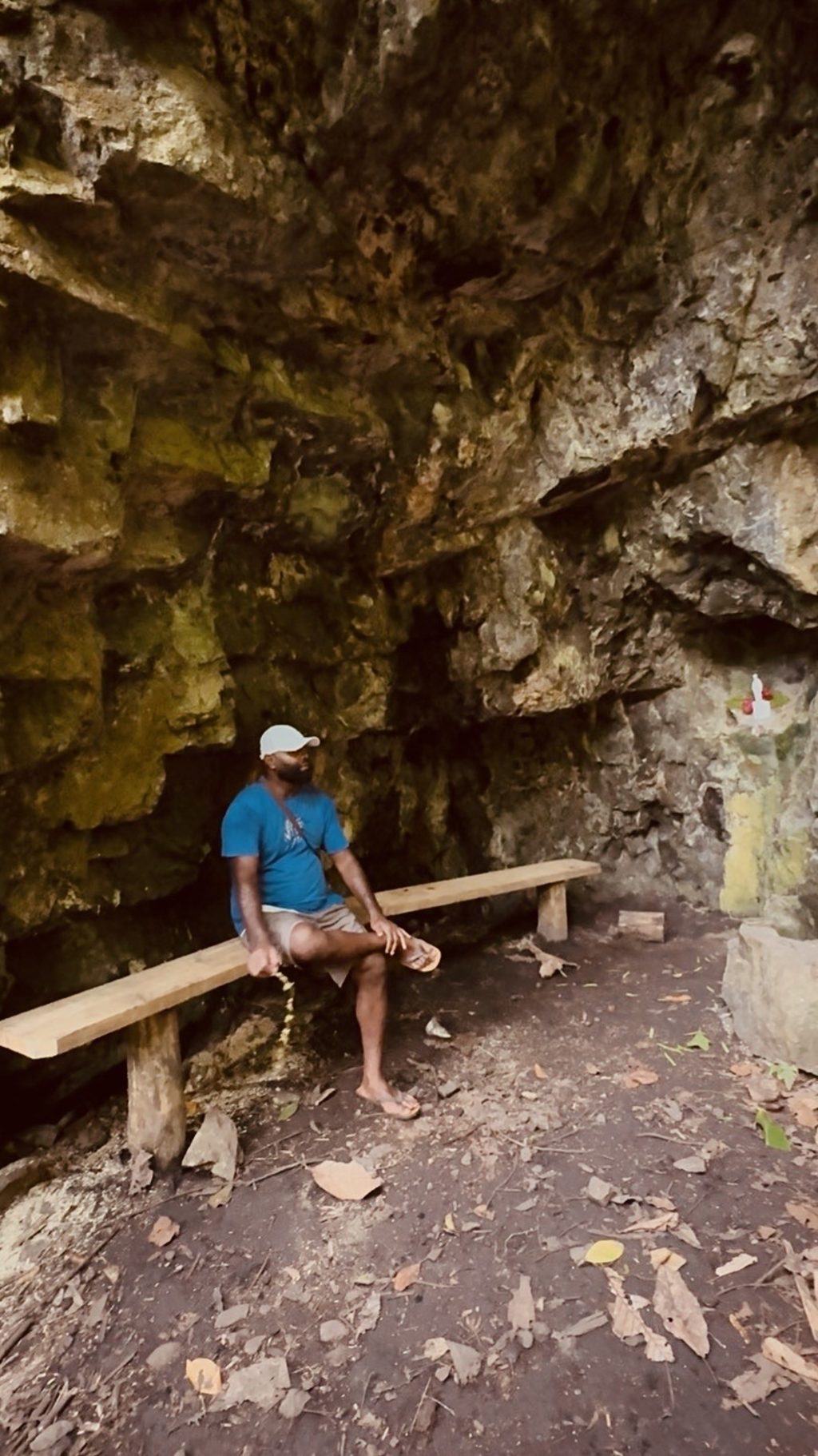
Tomasi Vakadranu inside the Missionaries’ Cave in Dakuinaroba Bamboo Park in Namosi. Picture: ANA MADIGIBULI
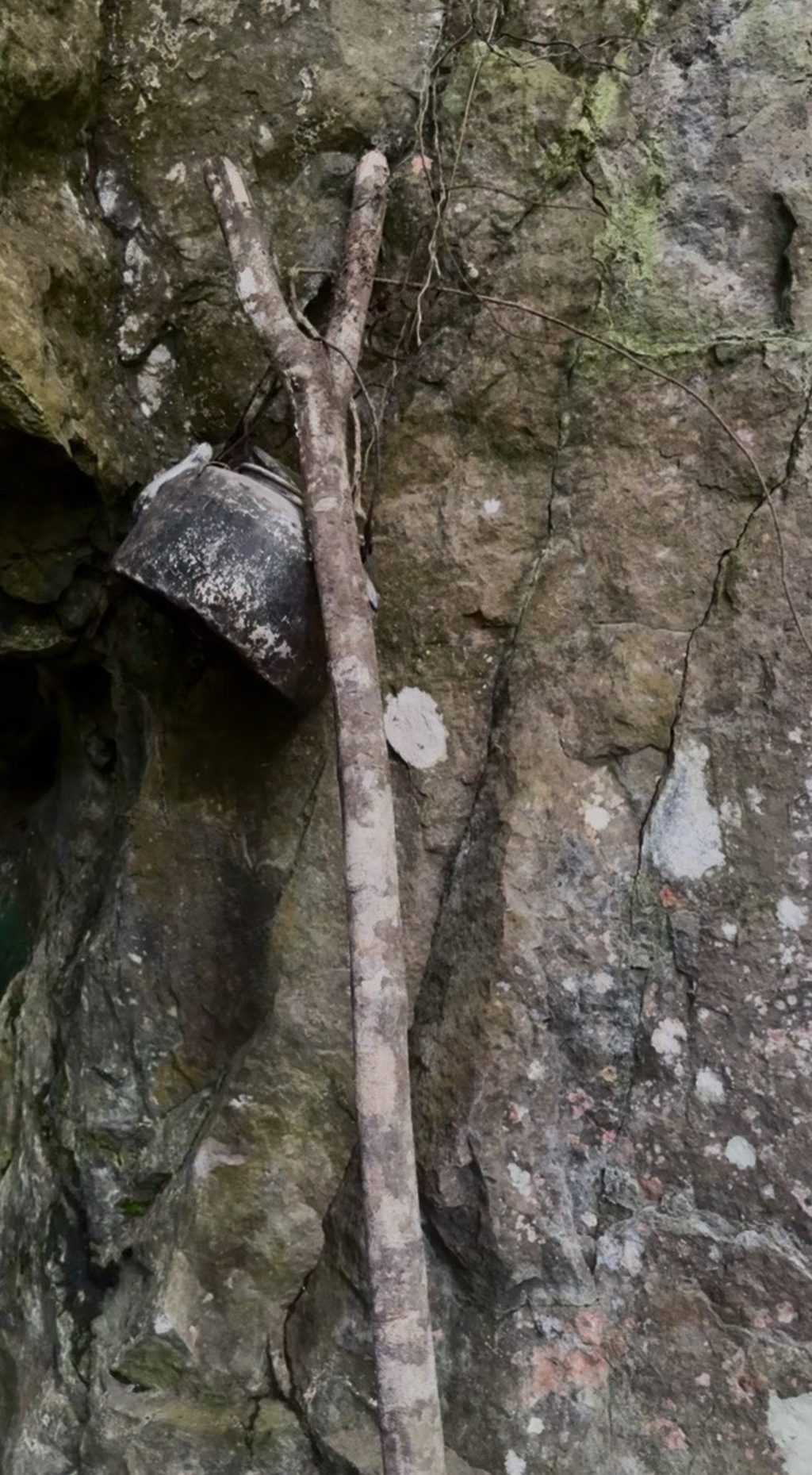
Below: An old kettle on display at the missionaries’ cave. It was likely used by the missionaries when they stayed at the cave. Picture: ANA MADIGIBULI
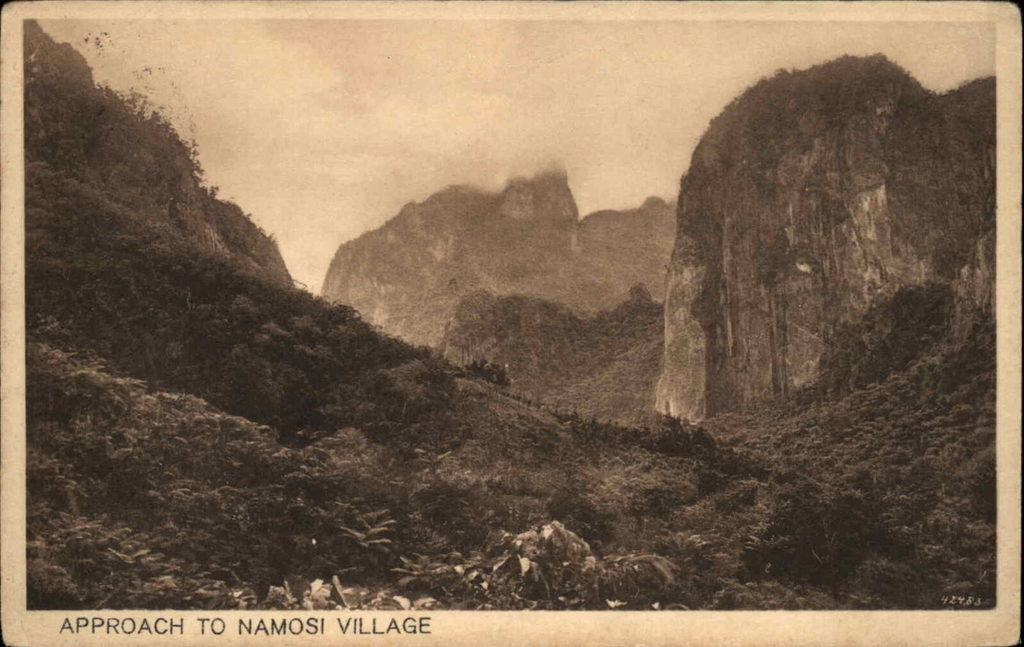
A view of the rocky mountains in Namosi.
Picture: WWW.HIPPOSTCARD.COM
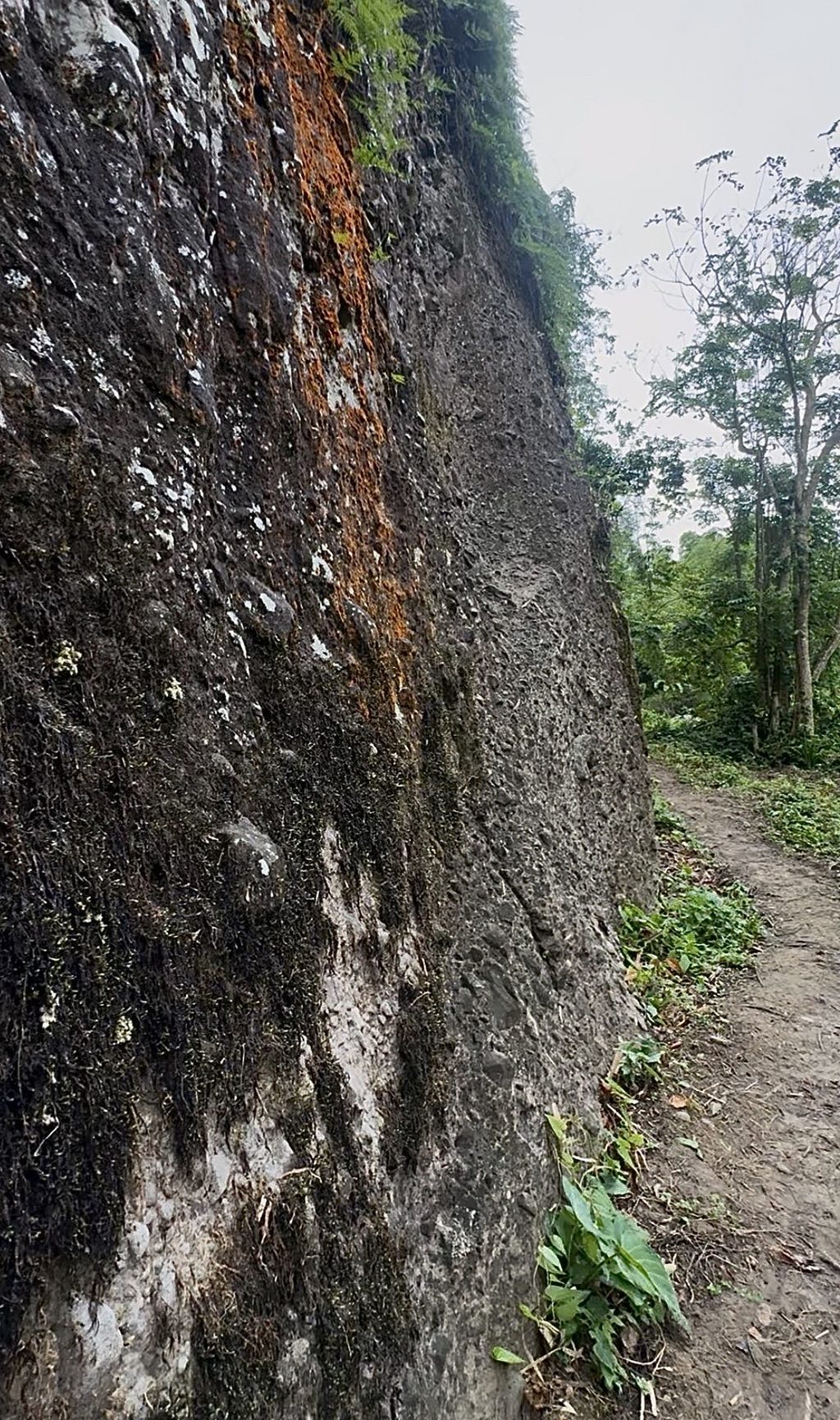
The narrow path beside the Natarataranicagi mountain and the Waidina River. Picture: ANA MADIGIBULI
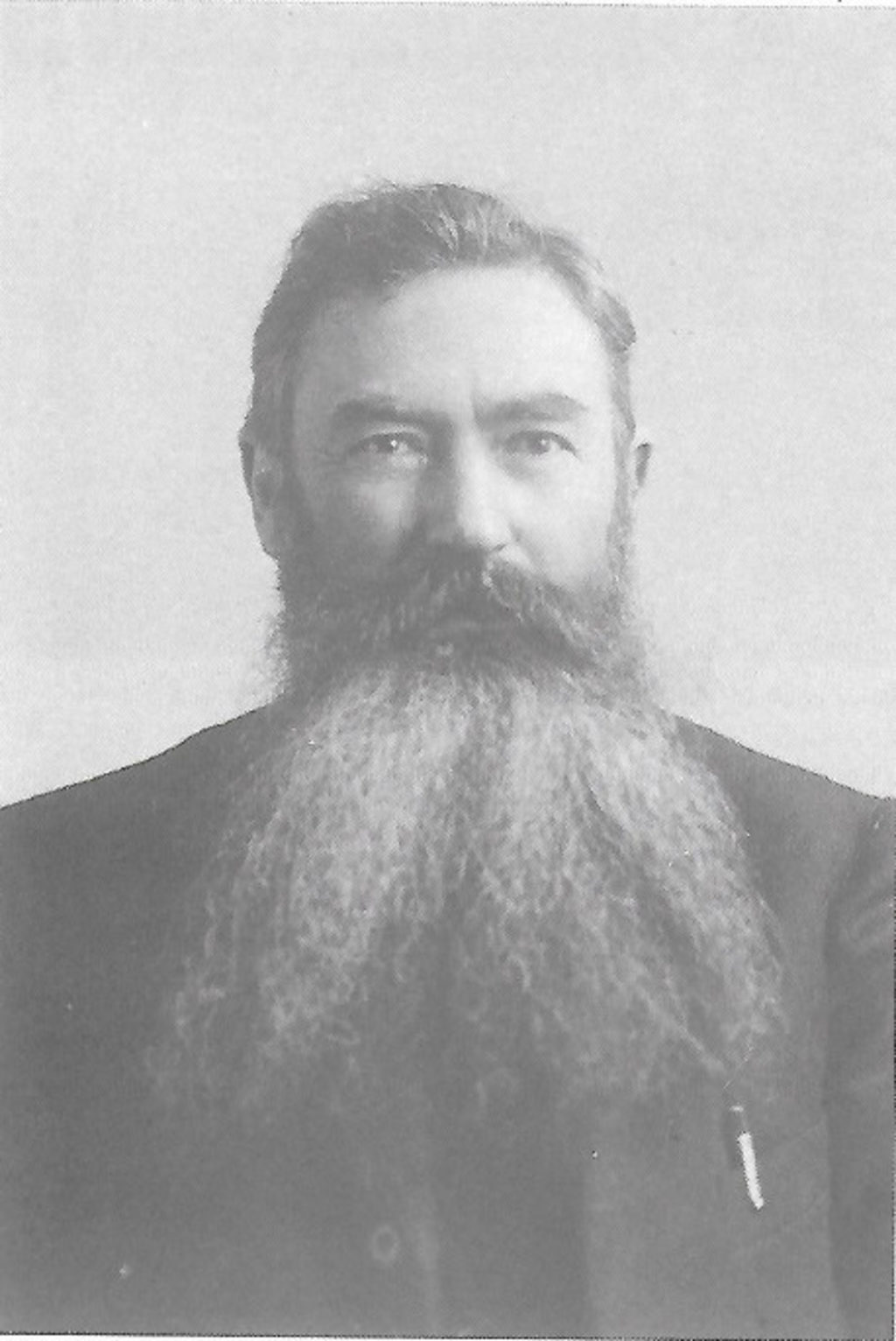
French Catholic missionary, Father Pierre Joseph Emmanuel Rougier had received “Namosi’s submission to Rome” from the Tui Namosi. Picture: FILE
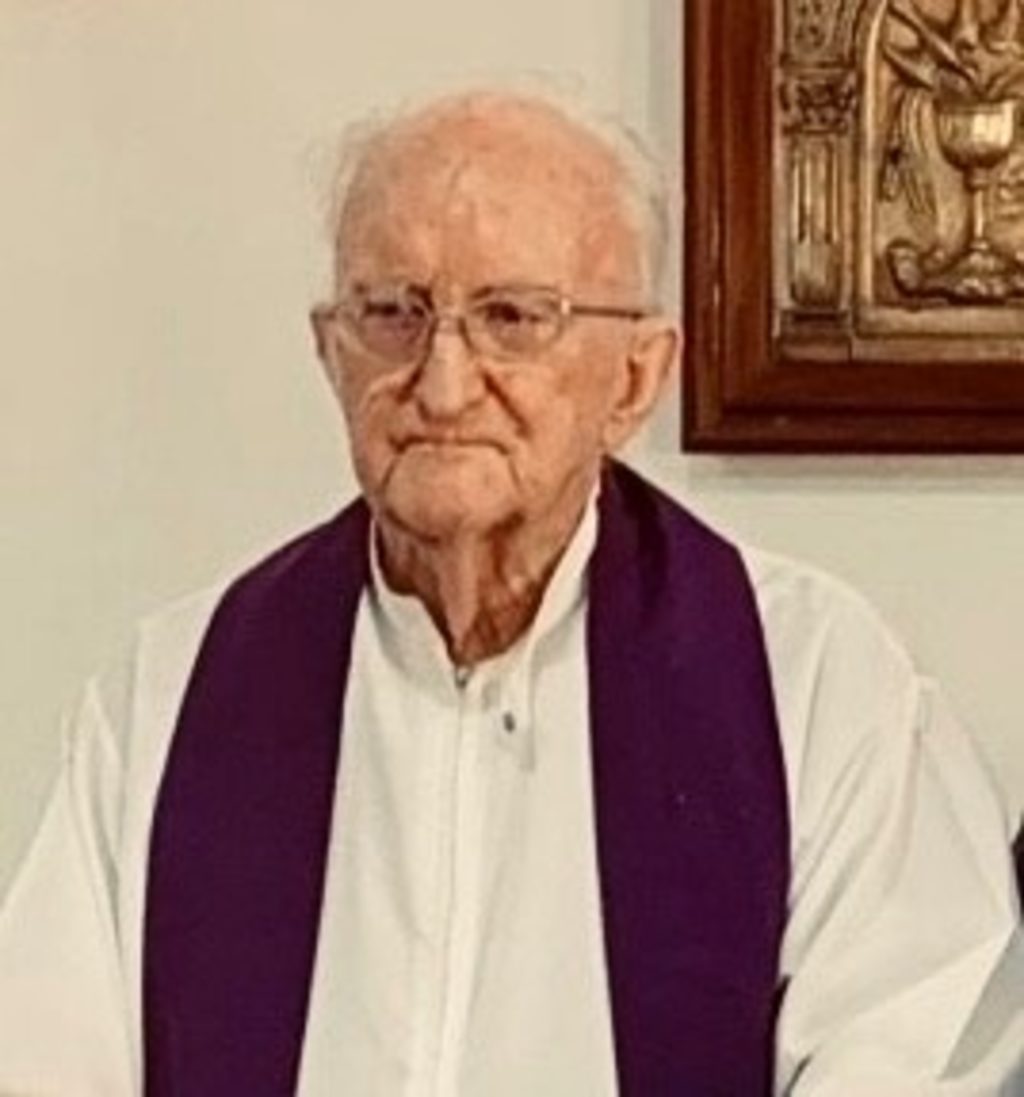
Father Ross used to visit the Missionaries’ Cave during his mission work in Namosi. Picture: WWW.AOSFIJI.ORG

