
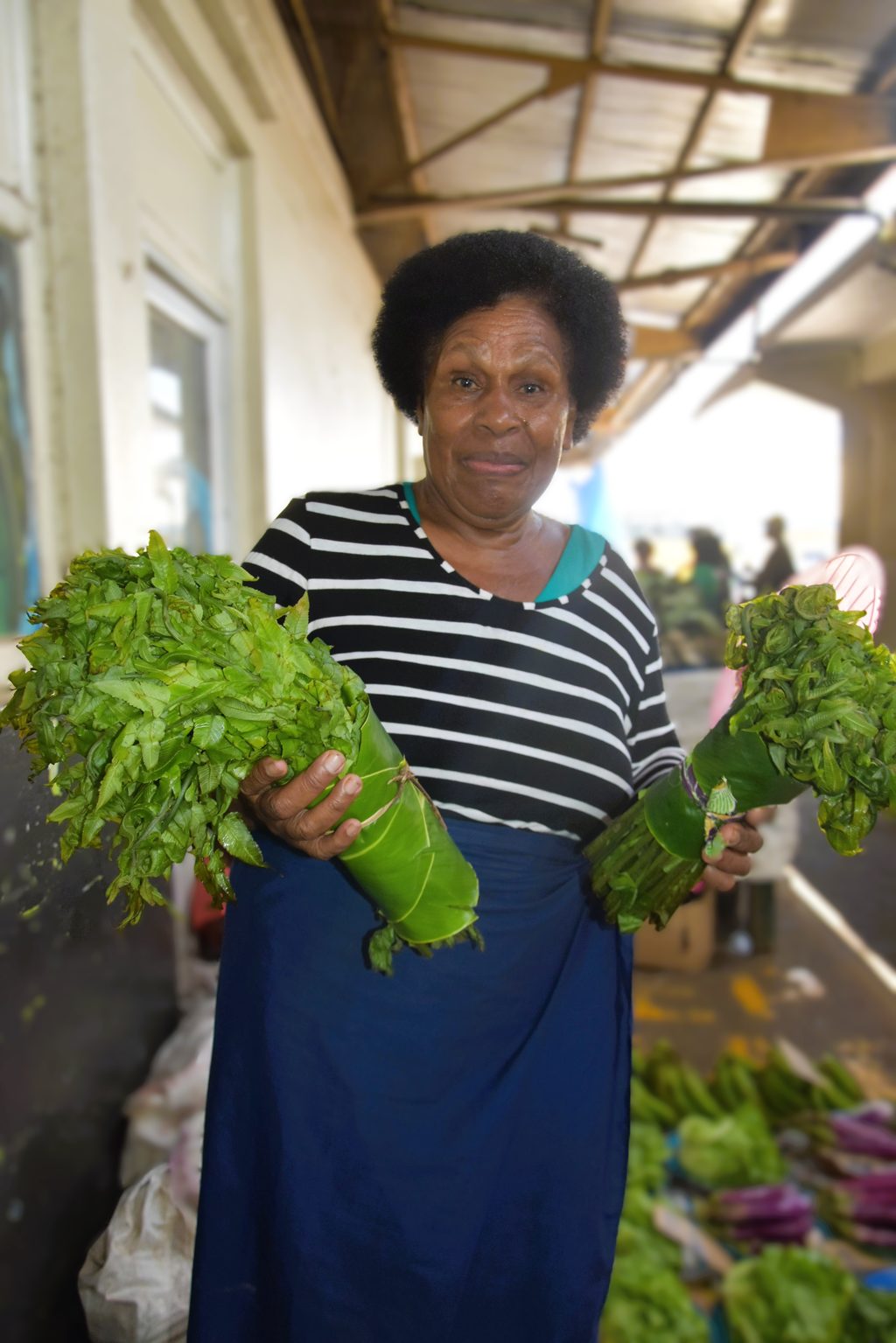
EVERY week, before dawn breaks over Nairukurukuru in the province of Naitasiri, Raijeli Vuniwaqa prepares for a journey that has been part of her life for more than 10 years.
She first started selling produce at the Nausori Market, and later moved to Suva Municipal Market after the COVID-19 pandemic.
She said in a week, she would come with her produce at least three times, starting from Wednesday right to Friday.
Other times, she would turn up to sell only on Fridays and Saturdays.
With bags of fresh fruits, vegetables, and farm produce carefully packed, she travels from her village to Suva, determined to earn an income and support her family through honest, hard work.
Mrs Vuniwaqa is one of many rural women who rely on small-scale farming and market vending to make a living.
She shared that her routine is demanding and repetitive, yet she enjoys being committed.
“This is not easy work, but farming and selling at the market is what helps us survive,” she said.
Mrs Vuniwaqasaid the journey itself was one of the biggest challenges.
Travelling from Naitasiri to Suva requires time and money.
She said public transport can be unreliable, and carrying heavy produce over long distances takes a toll on the body too.
“Sometimes the bus is full, sometimes it’s late, but you still have to come.
“If you don’t sell, you don’t earn.”
Once she arrives in the capital, the real work begins.
At the Suva Municipal Market, she said competition was very high.
“Dozens of vendors, many from different provinces, line the stalls selling similar produce.”
“Prices fluctuate depending on supply, weather conditions, and customer demand.”
Mrs Vuniwaqa said on good days, sales are steady, whereas on slow days, produce may go unsold.
“There are days when you go home tired and with very little money.
“But you cannot give up after one bad day.”
She said the weather was also another constant challenge.
Heavy rain can damage crops back in the village, reducing what she can bring to market.
Extreme heat in Suva affects both the freshness of the produce and the comfort of vendors who spend hours sitting or standing at their stalls.
“When it rains too much, crops get spoiled.
“When it’s too hot, you struggle to sit all day.”
Despite these difficulties, Mrs Vuniwaqa said she continued her weekly trips because farming and selling produce remained her main source of income.
Like many rural households, her family depends on what she earns to cover their daily needs, school items for her children over the years, and unexpected costs.
Mrs Vuniwaqa highlighted that her livelihood depends entirely on daily sales, as she does not earn a fixed or regular salary.
She said the money made from selling produce was used to meet her family’s basic needs, including food, transport, and other household expenses.
“This is the reality faced by many small-scale farmers and market vendors, where income is never guaranteed.
“Each day’s earnings determine how the family lives, making consistency and hard work essential for survival.”
Mrs Vuniwaqa is proud that her hard work provides fresh, locally grown produce for families.
She encourages women to support their spouses by being productive, noting that there are always opportunities to earn extra income and contribute to the wellbeing and financial stability of the household.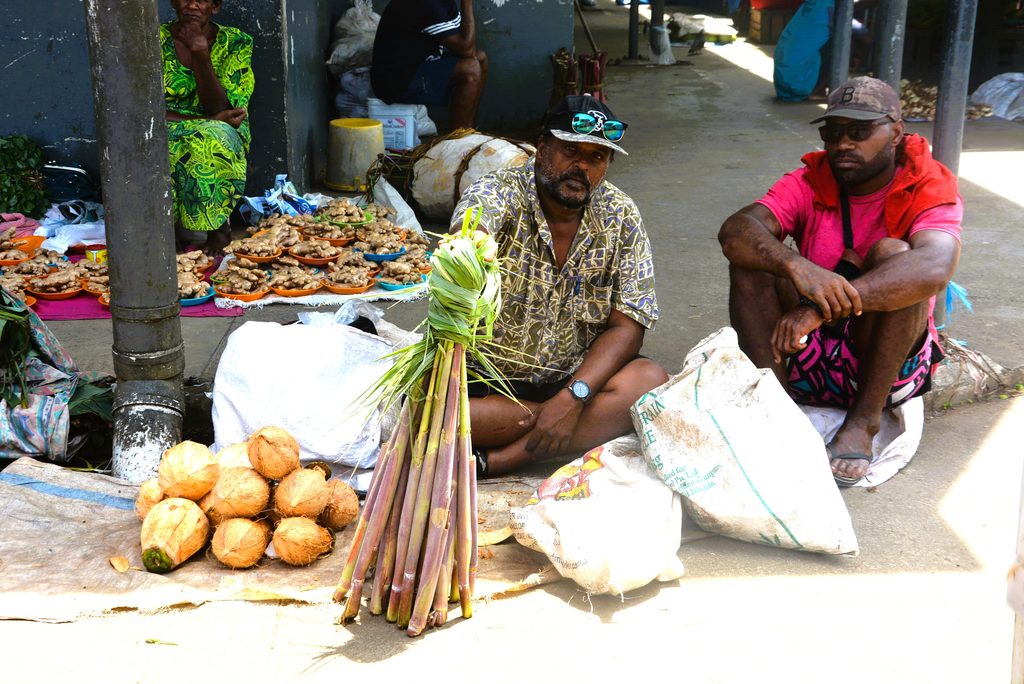
A duruka farmer sells his produce at the Nausori Market. Picture: ANASEINI DIMATE
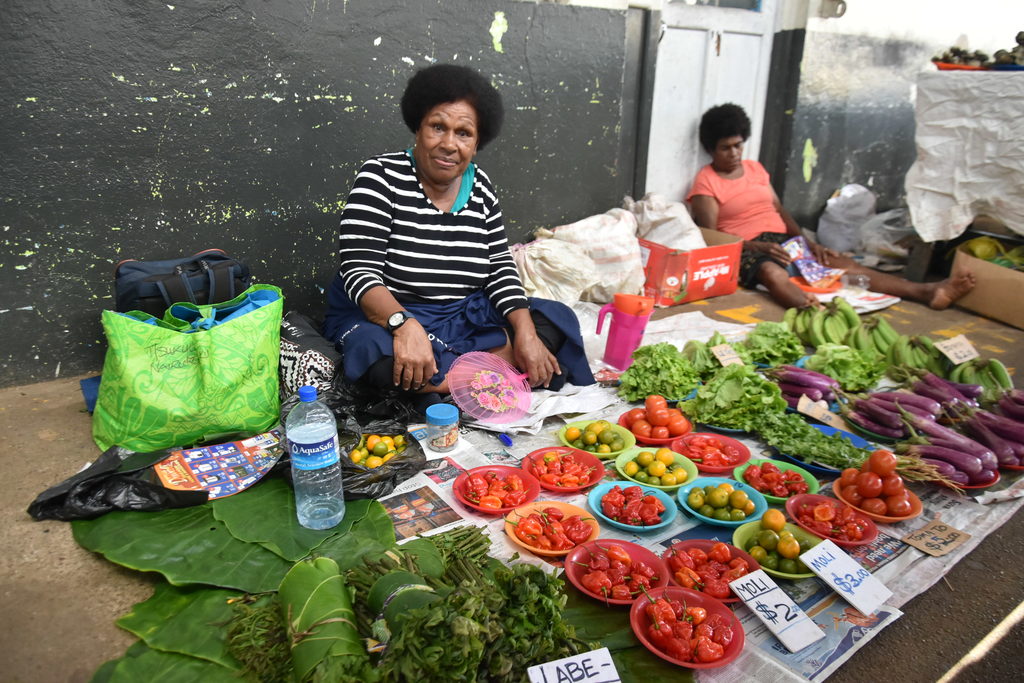
Raijeli Vuniwaqa sells fresh produce at the Suva Municipal Market. Picture: ANASEINI DIMATE
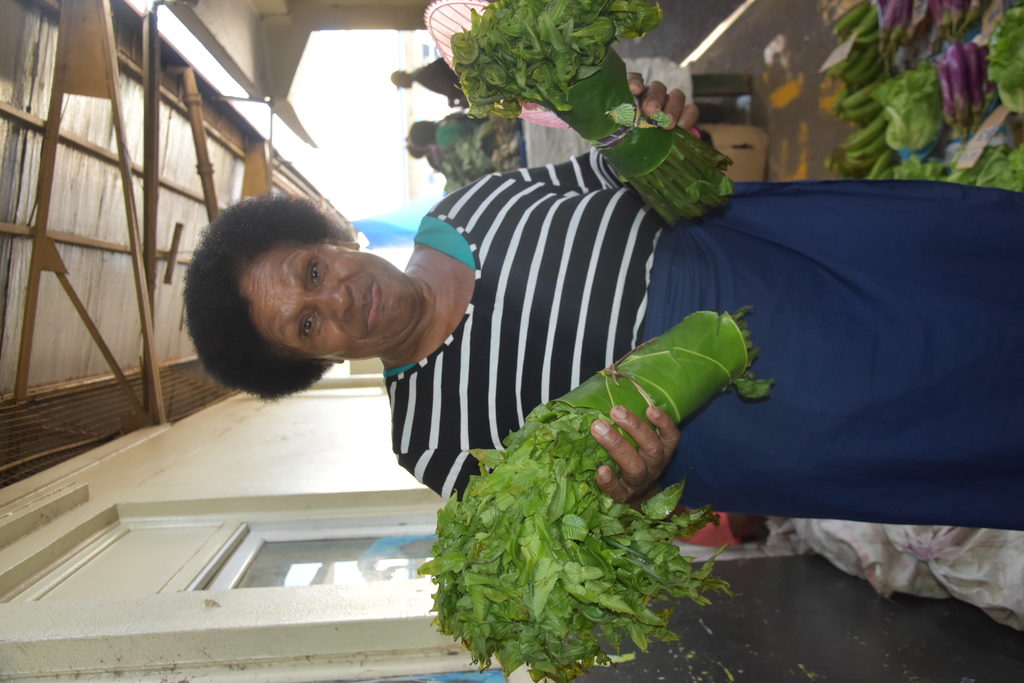
Fresh ota is also part of Raijeli’s produce. Picture: ANASEINI DIMATE

