
As seasons change in Fiji, many people experience sneezing, runny nose, and itchy eyes. While nasal allergies are widely recognised, seasonal eye allergies – medically known as allergic conjunctivitis – are equally common and often overlooked. These allergies may not threaten life, but they can significantly affect comfort, productivity, and quality of life if left untreated.
Seasonal eye allergies occur when the eyes react to allergens present in the environment. Common triggers include pollen from grasses and trees, dust, mould spores, and animal dander. In Fiji’s warm and humid climate, these allergens are present throughout much of the year, but symptoms often worsen during certain seasons when pollen levels and humidity increase.
The eyes react when allergens come into contact with the conjunctiva, the thin membrane covering the white part of the eye and inner eyelids. This triggers the release of histamine, a chemical responsible for allergy symptoms. As a result, people experience itchy, red, watery, and swollen eyes. Some may also notice a burning sensation, mild light sensitivity, or stringy discharge. Unlike infections, eye allergies usually affect both eyes and are not contagious.
One of the most common mistakes people make is confusing eye allergies with eye infections. While both can cause redness and watering, infections often produce thick discharge, pain, or reduced vision. Allergic eye conditions are typically painless but extremely itchy. Rubbing the eyes may provide temporary relief, but it often makes symptoms worse by releasing more histamine and increasing inflammation.
Children and working adults are particularly affected by seasonal eye allergies. Children may rub their eyes frequently, leading to irritation, poor concentration in school, and difficulty reading. Adults may struggle with discomfort at work, especially those exposed to dust, outdoor environments, or air-conditioned offices. Drivers and machine operators may also find their vision temporarily disturbed due to excessive tearing and irritation.
Although seasonal eye allergies are not usually dangerous, ignoring symptoms can lead to complications. Constant eye rubbing can cause damage to the cornea, increase the risk of infections, and worsen existing eye conditions. In some individuals, especially those with asthma or eczema, allergic eye disease can be more severe and persistent.
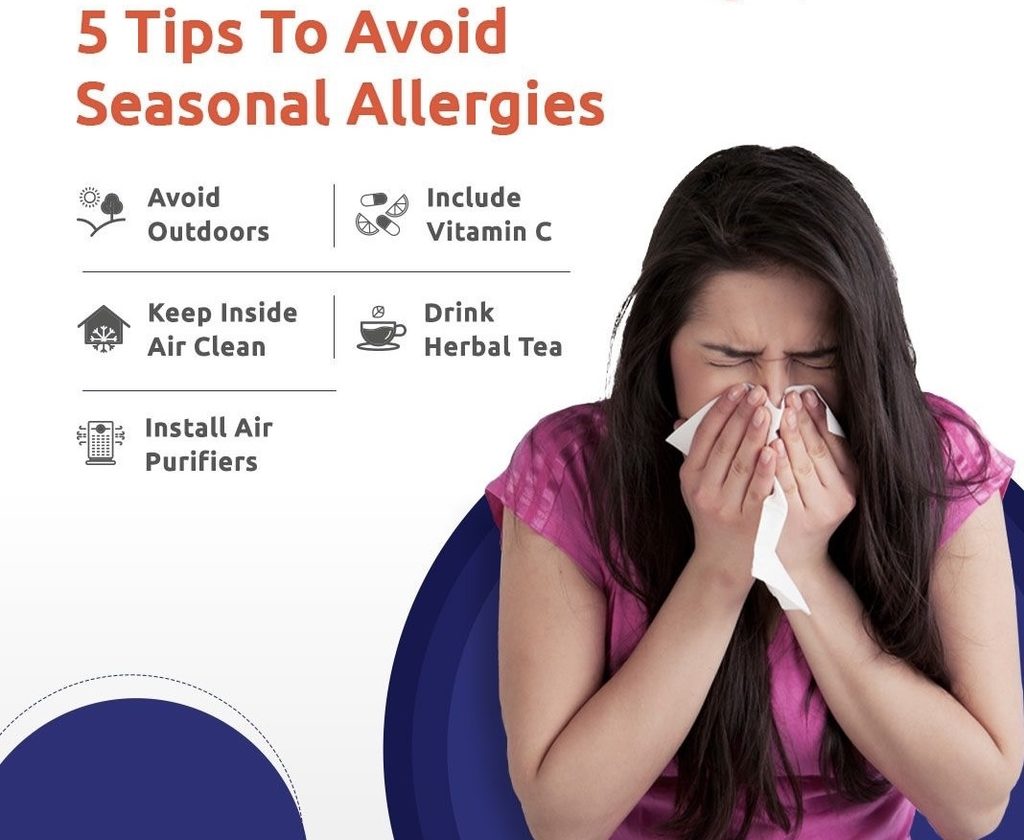
Prevention plays a key role in managing seasonal eye allergies. Reducing exposure to allergens is the first step. Wearing sunglasses outdoors can help block pollen and dust from entering the eyes. Keeping windows closed during high pollen periods, using clean bedding, and maintaining good household hygiene can also reduce symptoms. In dusty or windy environments, protective eyewear is especially helpful.
Maintaining good eye hygiene is equally important. Washing hands regularly and avoiding touching or rubbing the eyes can prevent irritation. Rinsing the face and eyes with clean water after outdoor exposure may help remove allergens. Cold compresses applied to closed eyelids can provide relief from itching and swelling.
Medical treatment is often necessary when symptoms interfere with daily activities. Antihistamine eye drops are commonly used to relieve itching and redness. Lubricating eye drops can help flush out allergens and soothe dry, irritated eyes. In more severe cases, doctors may prescribe anti-inflammatory or mast-cell stabiliser eye drops. It is important to avoid self-medication with steroid eye drops without medical advice, as improper use can lead to serious eye complications, including glaucoma and cataract.
People who wear contact lenses should be particularly cautious during allergy seasons. Allergens can stick to lenses, worsening irritation. Switching temporarily to spectacles or using daily disposable lenses may help. Contact lenses should always be worn according to professional guidance and kept clean to avoid infection.
When should one seek medical attention?
Eye pain, blurred vision, severe redness, sensitivity to light, or symptoms affecting only one eye may indicate a more serious condition and require prompt evaluation by an eye care professional. Persistent or worsening symptoms despite treatment should also not be ignored.
Seasonal eye allergies may seem minor, but they have a significant impact on daily comfort and productivity. With proper awareness, early treatment, and preventive measures, most people can manage symptoms effectively and protect their eye health.
As the saying goes, our eyes are our windows to the world. Taking simple steps to care for them during allergy seasons can ensure clearer vision, better comfort, and improved quality of life for individuals and families across Fiji.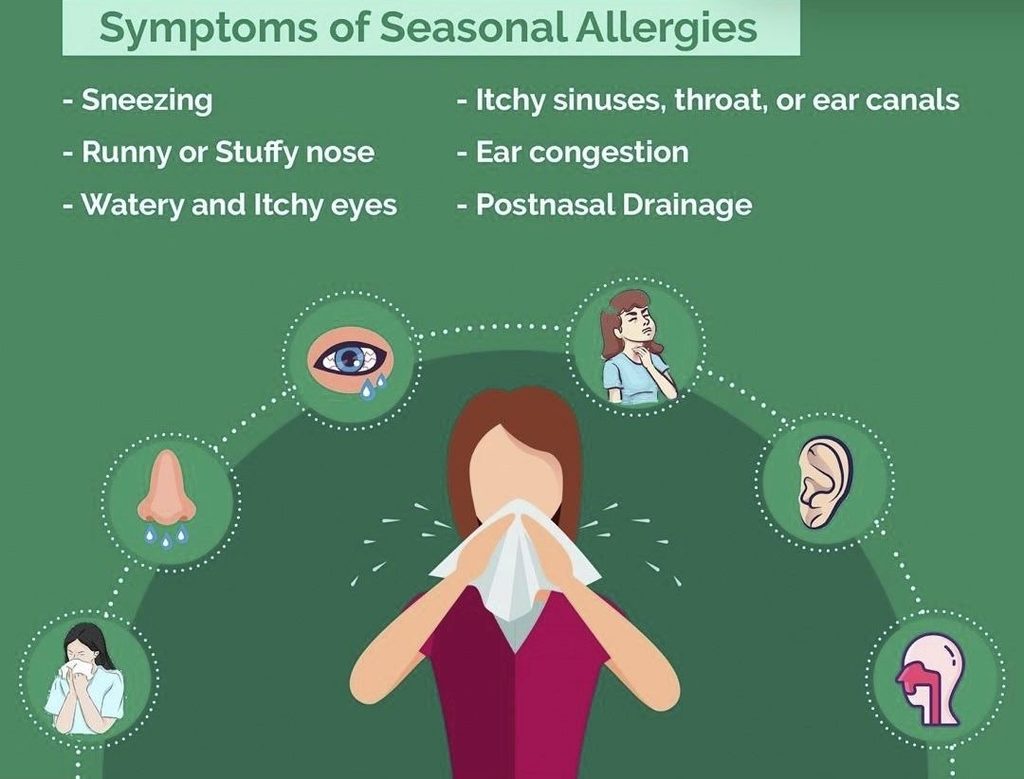
symptoms

