
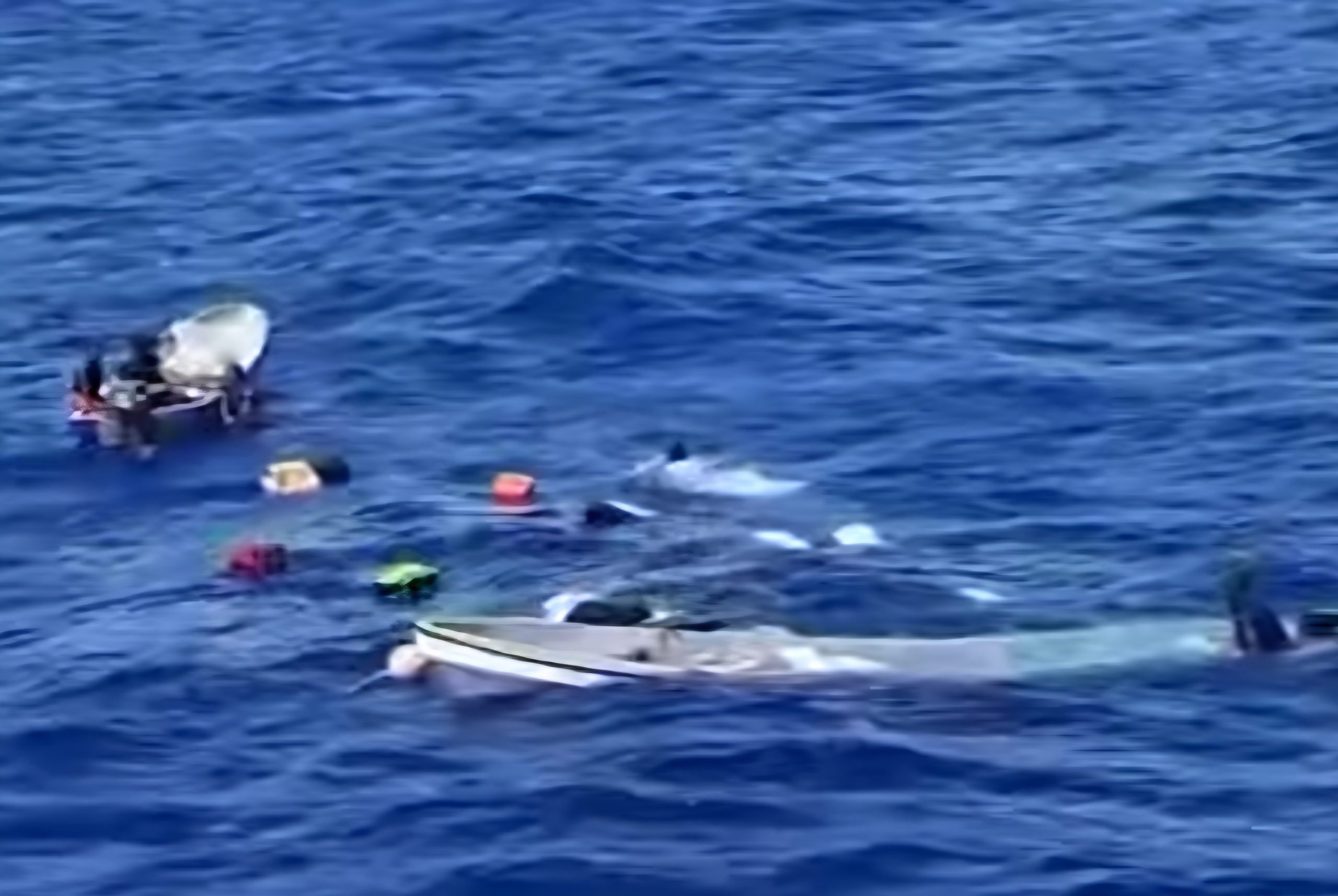
Questions surrounding passenger loading practices during rough weather have come into sharp focus following a maritime incident involving a fibreglass boat ferrying passengers to the Lomaiviti Princess XII last week.
The Maritime Safety Authority of Fiji (MSAF) confirmed it is reviewing not only the condition and operation of the fibreglass vessel that reportedly capsized, but also the loading procedures associated with the Lomaiviti Princess XII during adverse sea conditions.
In a media statement iissued yesterday, MSAF said the incident occurred on Thursday, January 15, when the small fibreglass boat was transporting passengers to the inter-island vessel amid reportedly rough seas.
While no further operational details have been released, the authority acknowledged concerns that loading activities may have proceeded despite unsafe weather conditions.
Maritime safety experts have long warned that the transfer of passengers from small boats to larger vessels is one of the most dangerous stages of a voyage, particularly in open waters and during poor weather.
Rough seas can compromise vessel stability, overwhelm smaller crafts and significantly increase the risk of capsizing.
MSAF strongly reiterated that voyages and loading operations should not proceed when official weather advisories warn of unsafe conditions.
The authority stressed that decisions made at the point of loading are critical and can mean the difference between a safe journey and a serious incident.
“Strict adherence to official weather advisories is critical, as proceeding in rough sea conditions places lives at serious risk,” MSAF said.
The investigation will assess whether maritime safety regulations were followed, including checks on vessel seaworthiness, passenger limits, safety equipment and the decision-making process that allowed loading to continue.

