
The United Nations Resident Coordinator in Fiji, Dirk Wagener, says Fiji has reached a critical point in its response to HIV and must adopt proven, compassionate public health approaches to protect communities.
Mr Wagener said countries around the world periodically experience rises in HIV infections, often when prevention strategies fail to keep pace with changing realities.
“What matters most is how we respond, and whether we choose approaches that are proven, compassionate, and focused on protecting the health of everyone,” he said.
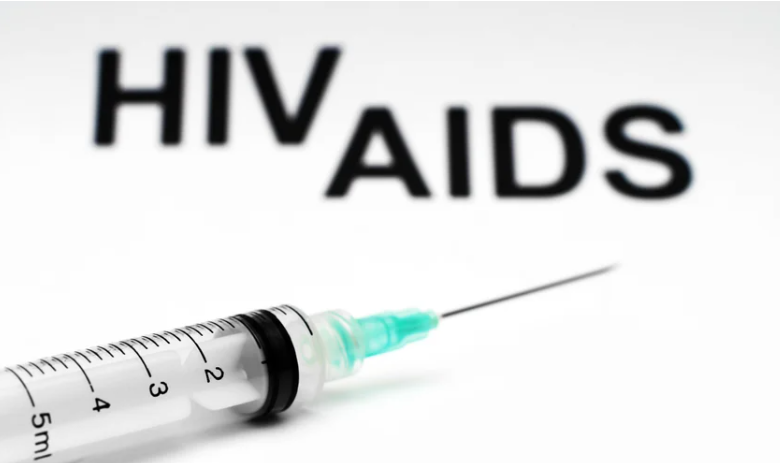
One such approach, he said, is the introduction of Needle and Syringe Programs (NSPs), which are designed to reduce health harms associated with injecting drug use.
“NSPs have been used for decades in many countries. They are well understood in public health, but often misunderstood by the wider public,” Mr Wagener said.
“That is why it is important to clearly explain what they are, how they work, and why they matter for Fiji.”
He explained that NSPs provide free, sterile injecting equipment and ensure the safe disposal of used needles, with the primary goal of harm reduction rather than promoting drug use.
“These programs are not about encouraging drug use,” he said.
“They are about preventing illness, protecting families and communities, and creating opportunities for people to connect with health and support services.”
Mr Wagener said international experience showed strong evidence of success, citing countries such as Australia, New Zealand, Portugal and Germany, where NSPs have contributed to significant reductions in HIV and hepatitis transmission without increasing drug use or crime.
“In my home country, Germany, harm-reduction approaches including NSPs have led to a marked decrease in new HIV infections among people who inject drugs,” he said.
“In one Berlin prison, syringe sharing dropped from about 71 per cent to around 11 per cent after an NSP was introduced.”
Addressing community safety concerns, Mr Wagner said NSPs often improve public safety by reducing needle sharing and ensuring safe disposal, lowering the risk of accidental needle-stick injuries to the public and frontline workers.
He said Fiji’s progress toward NSPs has been careful, inclusive and nationally led, with the initiative embedded within the National HIV Surge Strategy and the Fiji Narcotics Strategy.
“The United Nations’ role is to support nationally owned solutions grounded in evidence, human rights and public health,” Mr Wagener said.
“NSPs work best as part of a comprehensive response alongside HIV testing, treatment, prevention tools such as PrEP, mental health support and strong referral systems.”
He said early, evidence-based action would save lives and resources, adding that ending HIV transmission was an achievable goal.
“By choosing evidence, care and collective responsibility, Fiji can protect its communities and its future,” Mr Wagener said.

