
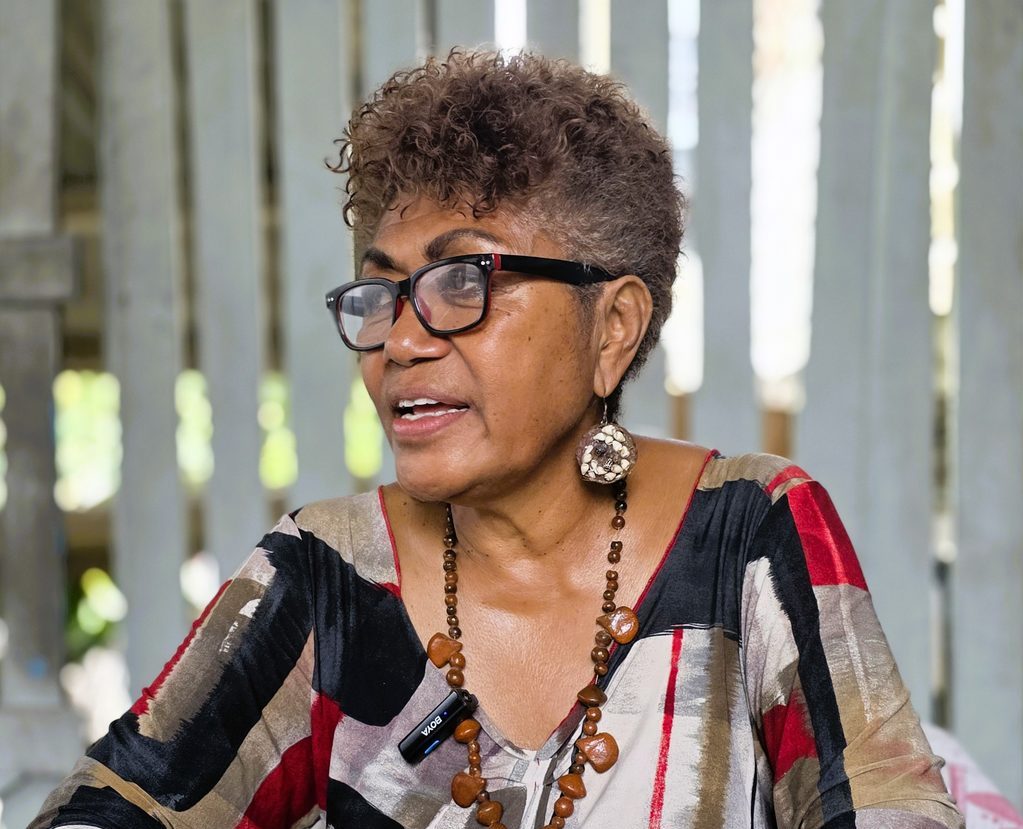
For more than three decades, Laisa Vulakoro has been a defining voice of Fiji’s music scene.
Revered across generations and affectionately known as the Vude Queen, her songs have soundtracked celebrations, social events, and everyday life, earning her a place among the country’s most respected senior artists.
As artificial intelligence (AI) rapidly reshapes the global creative industry, Ms Vulakoro reflected not only on technology, but on originality, ethics and the responsibility artists owe to one another and to the next generation.
“Change is always coming. You cannot run away from it,” she said.
“Everything evolves all the time. So, we have to go with the time.”
Accepting change, but on her own terms
Ms Vulakoro does not reject AI outright. She acknowledged its growing influence and congratulated those who are already experimenting with it.
But for her own music, she draws a clear distinction.
“I still feel that I should maintain the human touch in my music,” she said.
“The human beats, the melodies, the real voice of humans that you want to hear.”
She explained that while AI can generate polished sounds by pulling from countless sources, it risks stripping away the individuality that defines an artist.
“I don’t want AI to make me sound any way,” she said.
“For me to release stuff, I want to release it my own way. Original.”
Originality and ownership in the AI era
That emphasis on originality extends to Ms Vulakoro’s firm stance on copyright and proper attribution which are no doubt issues that have become increasingly complex in the age of AI.
“If you’re going to use other people’s music, you must acknowledge the original composer,” she said.
“Somebody composed that song.”
As a senior figure in the industry and a board member of the Fiji Performing Rights Association (FPRA), Ms Vulakoro believes there are clear mechanisms in place to ensure fairness. Artists must be willing to seek permission, register works and agree on equitable compensation, she explained.
“You can compose your own music and put it on AI to enhance it,” she said.
“But if you use other people’s music, the right thing to do is acknowledge and compensate.”
Bridging generations through fair collaboration
Ms Vulakoro points to her long-standing collaboration with younger artists as a model for how tradition and innovation can coexist.
Musician Savuto, who has re-recorded several of her original songs from the 1990s with modern beats, always seeks her consent.
“We have an agreement,” she revealed.
“I keep 60 per cent as the original composer, and he takes 40 per cent.”
For Ms Vulakoro, such arrangements are more about ensuring continuity than control.
“Young people listen to young artists,” she said.
“So, my song gets known again in another generation. Everyone benefits.”
She adds that she remains open to similar collaborations, provided respect and transparency come first.
Infringement and the need for stronger laws
Despite these positive examples, Ms Vulakoro acknowledges that infringement remains a persistent problem, particularly as technology makes it easier to reproduce and distribute music without permission.
“That’s infringement,” she said.
“We take complaints.”
Through FPRA, disputes are often resolved by bringing parties together and negotiating compensation.
However, Ms Vulakoro believes stronger legal backing is urgently needed.
“The government’s copyright act is still just an act,” she said.
“We urge the government to do something about it.”
She recalls past cases where original composers were subjected to lengthy questioning, while alleged infringers faced little consequence.
“We want that to change,” she said.
Advice for the next generation
Despite the challenges, Ms Vulakoro remains hopeful about the future of Fiji’s music industry.
Her advice to young artists comes from a very personal place.
“Be original. Keep what God has given you,” she said.
“It’s what’s inside of you that makes you unique.”
She encouraged musicians to move beyond formulaic love and heartbreak songs and to write about issues that matter to communities.
“Let’s sing about things that inspire generations,” she said.
“Talk about being drug-free, staying off the streets, working hard, and living useful lives.”
Even now, the Vude Queen continues to write and create. She has new songs ready that are in the production stage and remains committed to evolving without losing her essence.
“Think outside the box,” she said.
“Find new sounds, new things to write about. Be creative. Be unique.”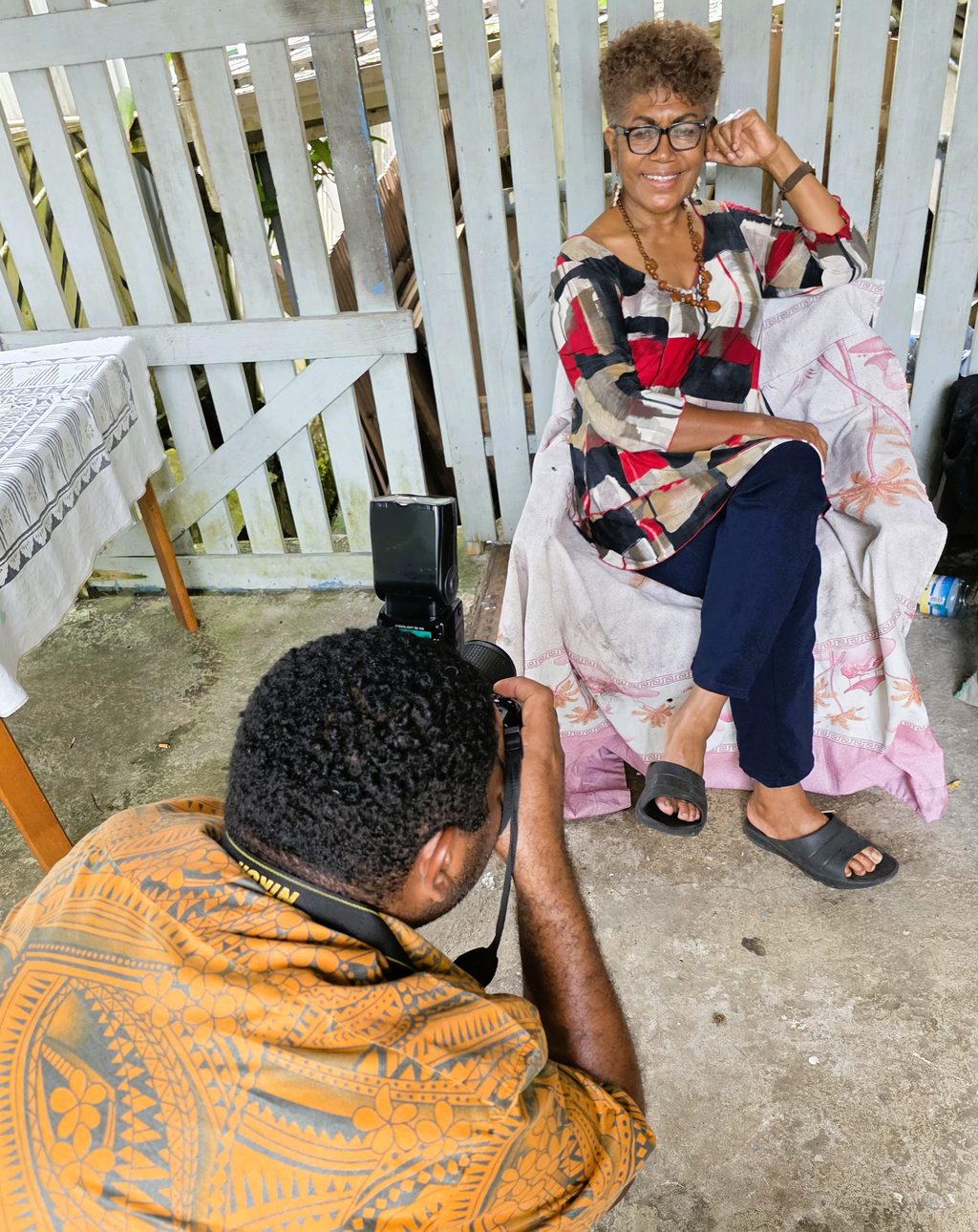
Ms Vulakoro is still a lively, bubbly and open minded person. Picture: ALIFERETI SAKIASI
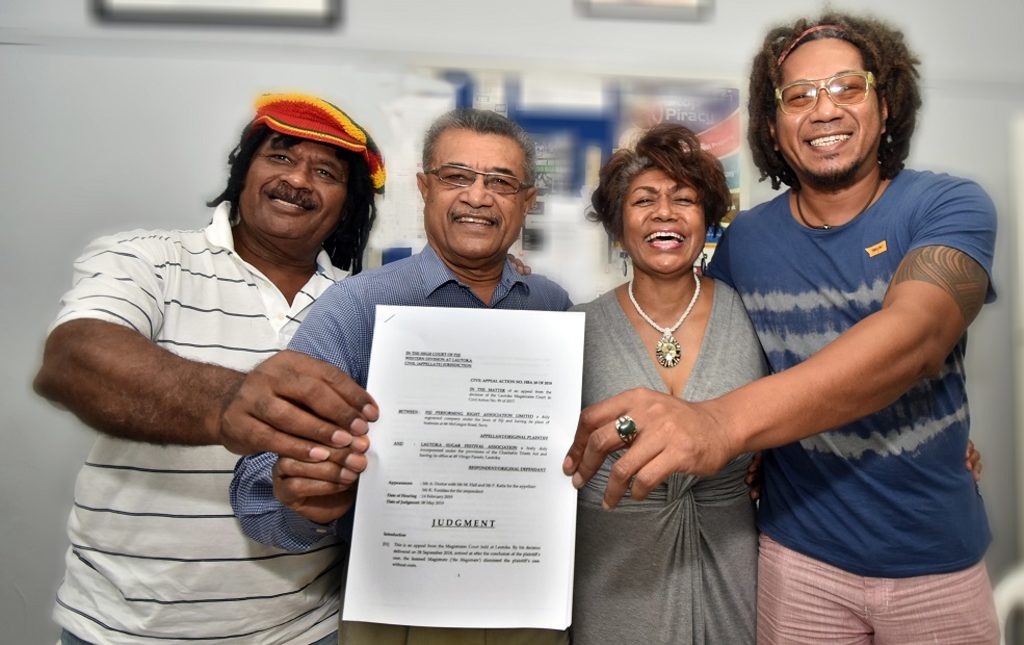
Fiji Performing Right Association members… From left, Seru Serevi, Saimoni Vuatalevu Laisa Vulakoro and Inoke Kalounisiga “Knox”.
Picture: FT FILE
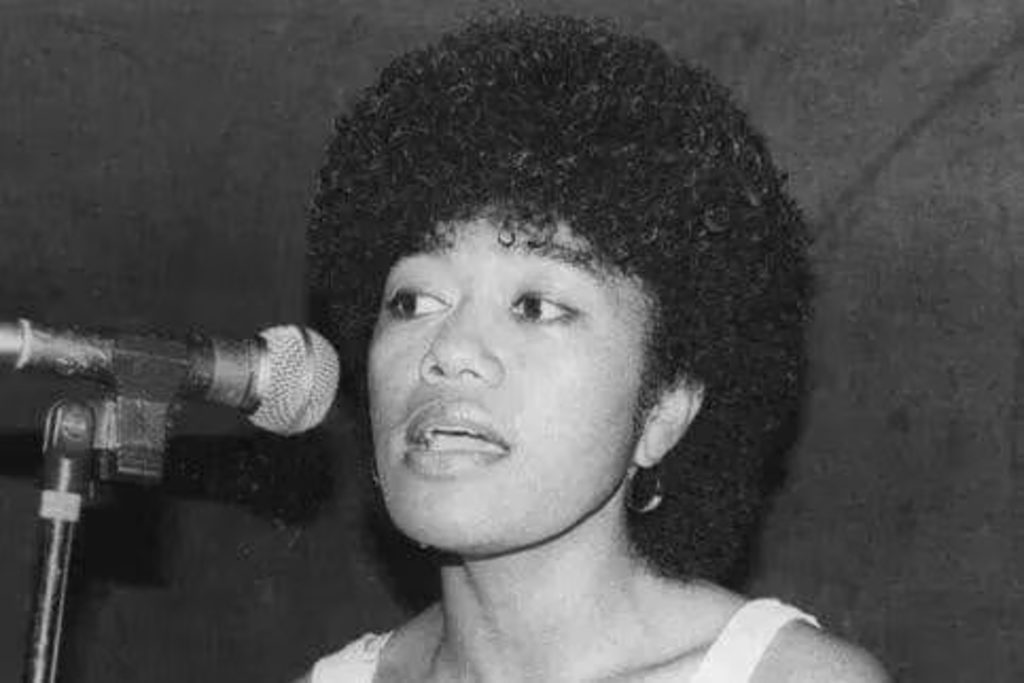
Laisa Vulakoro back in the day.
Picture: ALIFERETI SAKIASI

