
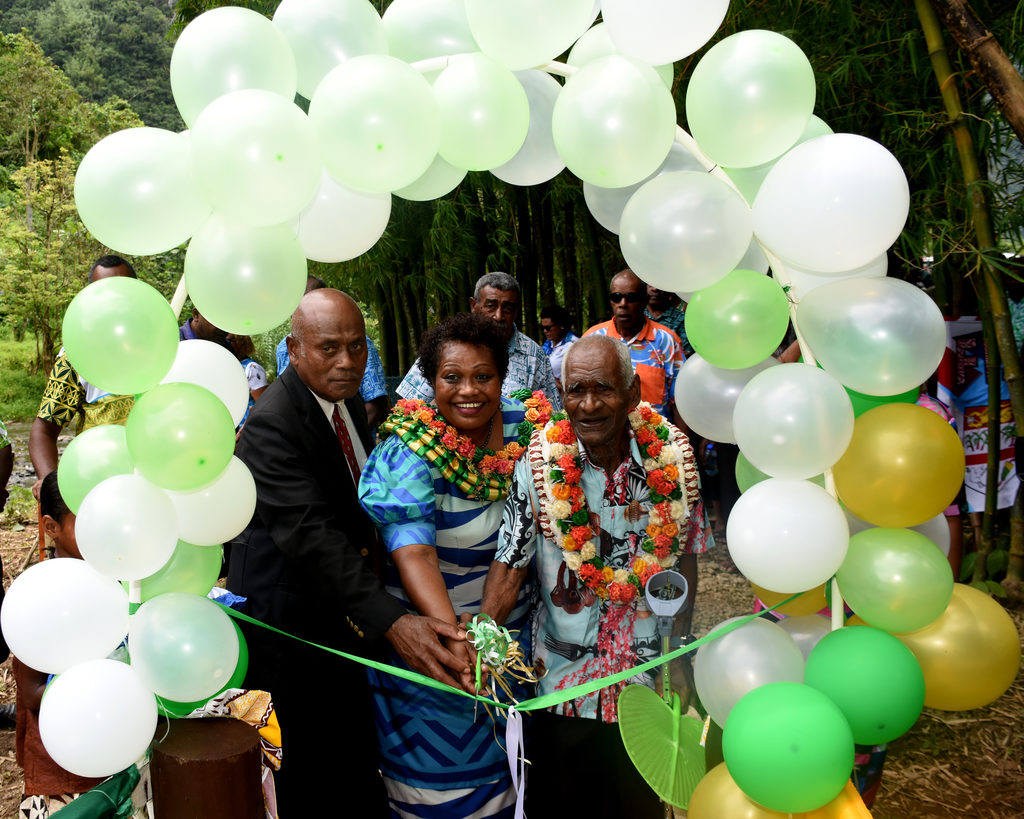
The Dakuinaroba Bamboo Park is a strong example of how community-led action can support national and global commitments to climate resilience and biodiversity protection.
Officially opened last week in Navunibau Village, Namosi, it is the first bamboo park in Fiji, marking a significant step in conservation-driven tourism.
Beyond attracting visitors, the park showcases the history and uses of bamboo while reflecting the cultural heritage and traditions of the people of Navunibau.
Developed by the Government of Fiji in partnership with the mataqali Namara of Navunibau Village, the initiative highlights Fiji’s approach to decentralising conservation and placing communities at the centre of sustainable resource management.
Shared economic and environmental value
While opening the park, Minister for Fisheries and Forestry Alitia Bainivalu described it as a shared economic and environmental partnership.
She said the bamboo park, along with other community forest initiatives, reflects a national vision of empowering communities to lead in sustainable forest management.
“The project provides spaces for learning, recreation, cultural connection, economic opportunities to generate sustainable income through ecotourism and value-added bamboo products, to safeguarding the mataqali’s traditional forest and contributing directly to Fiji’s national climate resilience goals.
“The establishment of this Community Forest Park is not an isolated project; it is a critical piece of infrastructure that connects the heart of Namosi to Fiji’s commitments on the global stage, effectively linking our National Plan to the International Roadmap.”
The park supports several national development priorities by encouraging a green economy, shifting land use away from unsustainable extraction toward low-impact ecotourism and agroforestry under the National Green Growth Framework.
It also helps strengthen livelihoods by diversifying income sources, providing direct financial returns to the community while protecting the forest and supporting long-term development.
“Bamboo and forest preservation are critical in our efforts to sequester carbon, and this park actively supports Fiji’s goal of achieving net-zero emissions and enhancing the resilience of our landscapes against climate change impacts.
“Similarly, by managing this forest under a park framework, the mataqali is ensuring the survival of local endemic flora and fauna, directly contributing to the global push for 30 per cent of our land and marine area protected by 2030 (30×30).
Community leadership
Minister Bainivalu acknowledged the efforts of the mataqali Namara.
“You have done the hard work of organising the committee, developing the business plan, and obtaining the market package,” she said.
“You have shown the entire country that with vision and dedication, local communities can drive national change.
“I look forward to seeing the Dakuinaroba Bamboo Park become a premier destination, a hub for conservation learning, and a beacon of success for other communities in Namosi and across Fiji.
“This park, this investment, is more than just infrastructure; it is a precious seed planted deep in the soil of your ancestral land.
“Just as you care for your children, you must dedicate yourselves to watering and caring for this seed with commitment, vision, and vanua pride, so that it may grow into a magnificent tree, bearing fruit that will sustain and shelter not just you, but your children’s children for countless generations to come.”
From simple idea to sustainable venture
mataqali Namara Trust vice chairman Paulo Rauto said the initiative began as a picnic spot before evolving into a bamboo park with support from stakeholders.
The mataqali worked closely with the Viti Indigenous Tourism Alliance (VITA), First Nations Fiji Resources Foundation, and the Ministry of Forestry to establish the project.
“We had prayed a lot for this project, and we thank God that it has come to us so quickly,” he said.
“We would like to be a source of light to other mataqali in the province, to assist them in utilising their resources sustainably for ecotourism.”
Community-run operations
The mataqali Namara Trust will manage daily operations, with directors, project and finance teams, and tour guides drawn from within the mataqali.
The trust has 20 trained tour guides, certified by the Ministry of Forestry and qualified as first-aiders.
The Dakuinaroba Bamboo Park officially opened on January 9, symbolising a practical step toward conservation, livelihoods, and community-led development.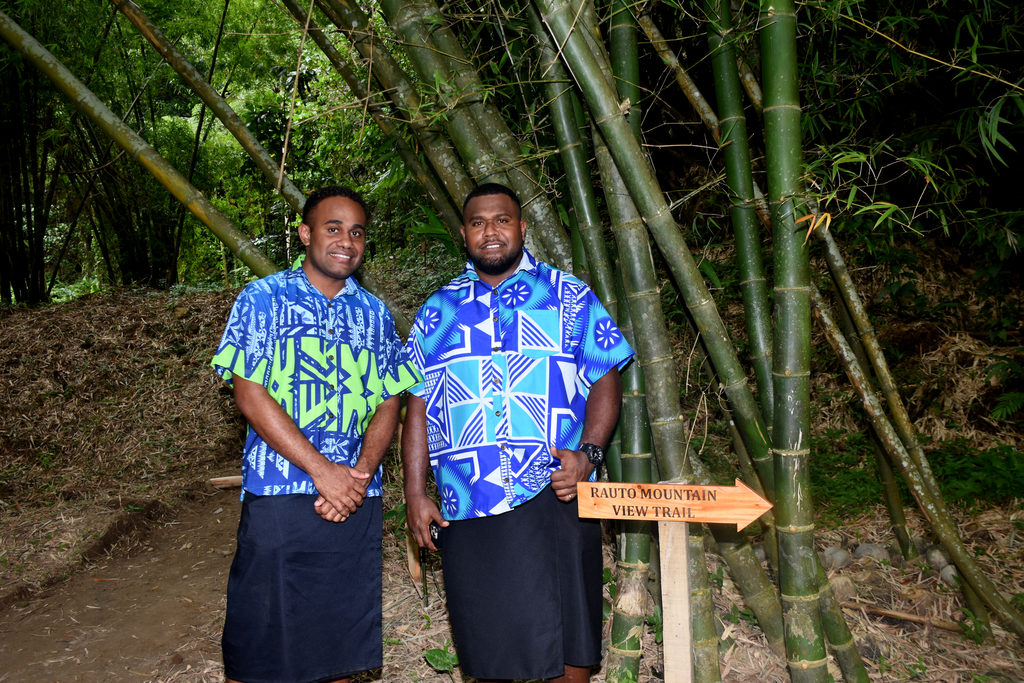
Guests that were part of the opening of the Dakuinaroba Bamboo Park in Namosi last week. Picture: KATA KOLI

Minister for Forestry Alitia Bainivalu with Basic First Aid, tour guide and CPR graduates during the opening ceremony of the Dakuinaroba Bamboo Park in Navunibau village, Namosi. Picture: KATA KOLI
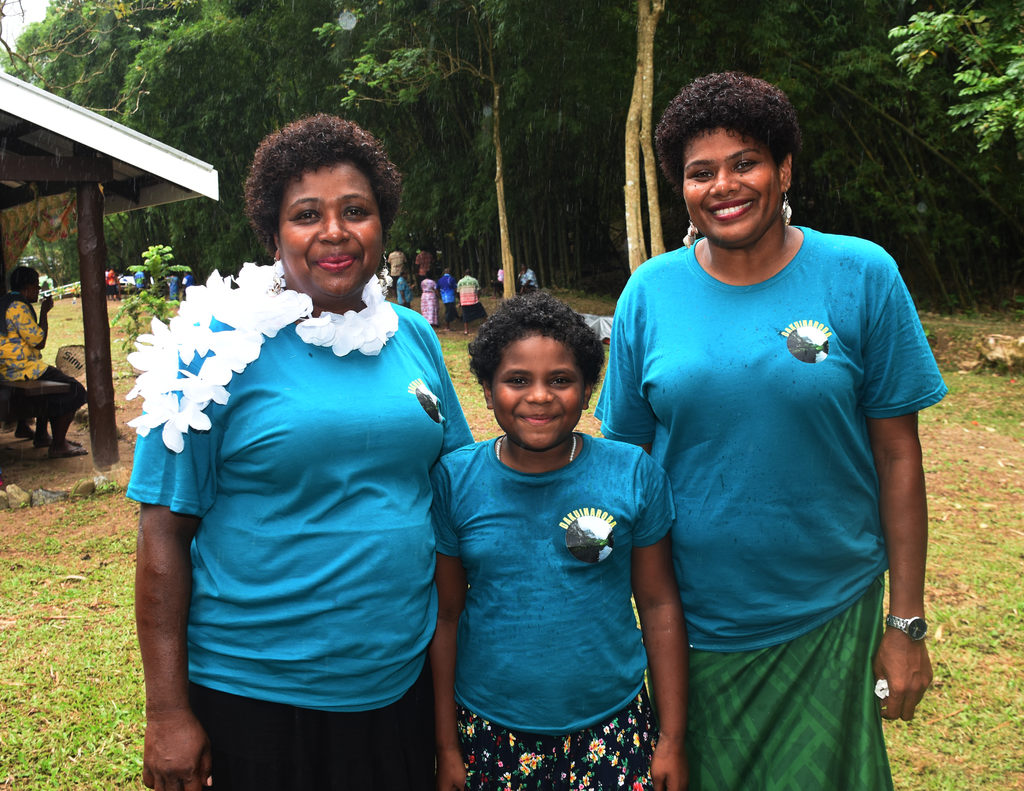
(L-R) Tekela Wainiqolo, Bridget Wainiqolo and Vaviola Tauleka at the Dakuinaroba Bamboo Park in Namosi. Picture: KATA KOLI
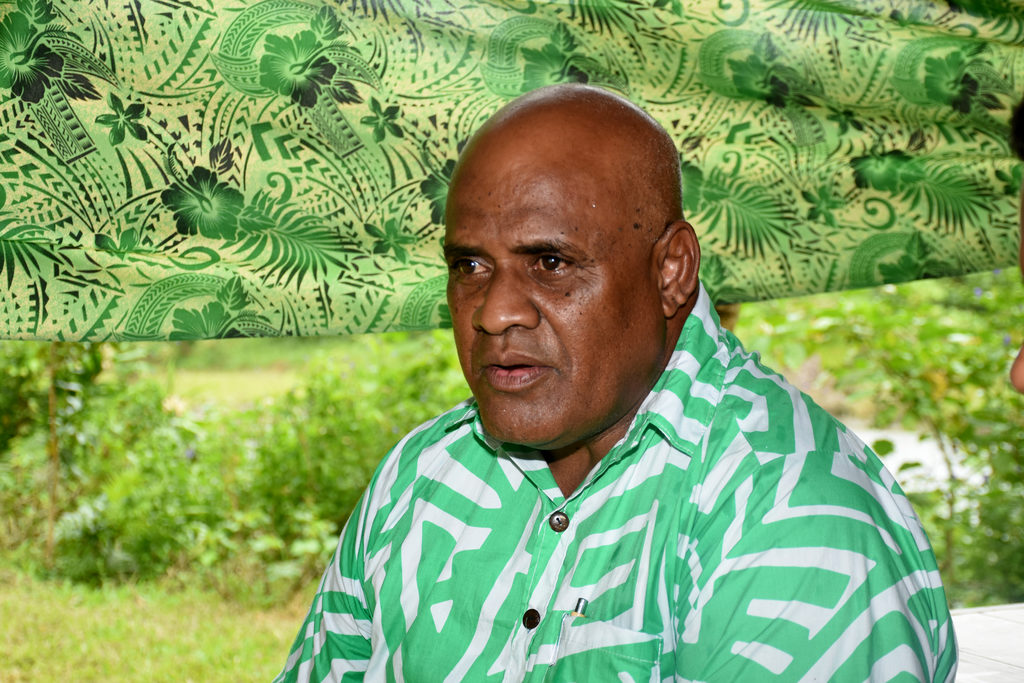
Mataqali Namara Trust vice chairman, Paulo Rauto. Picture: KATA KOLI

