
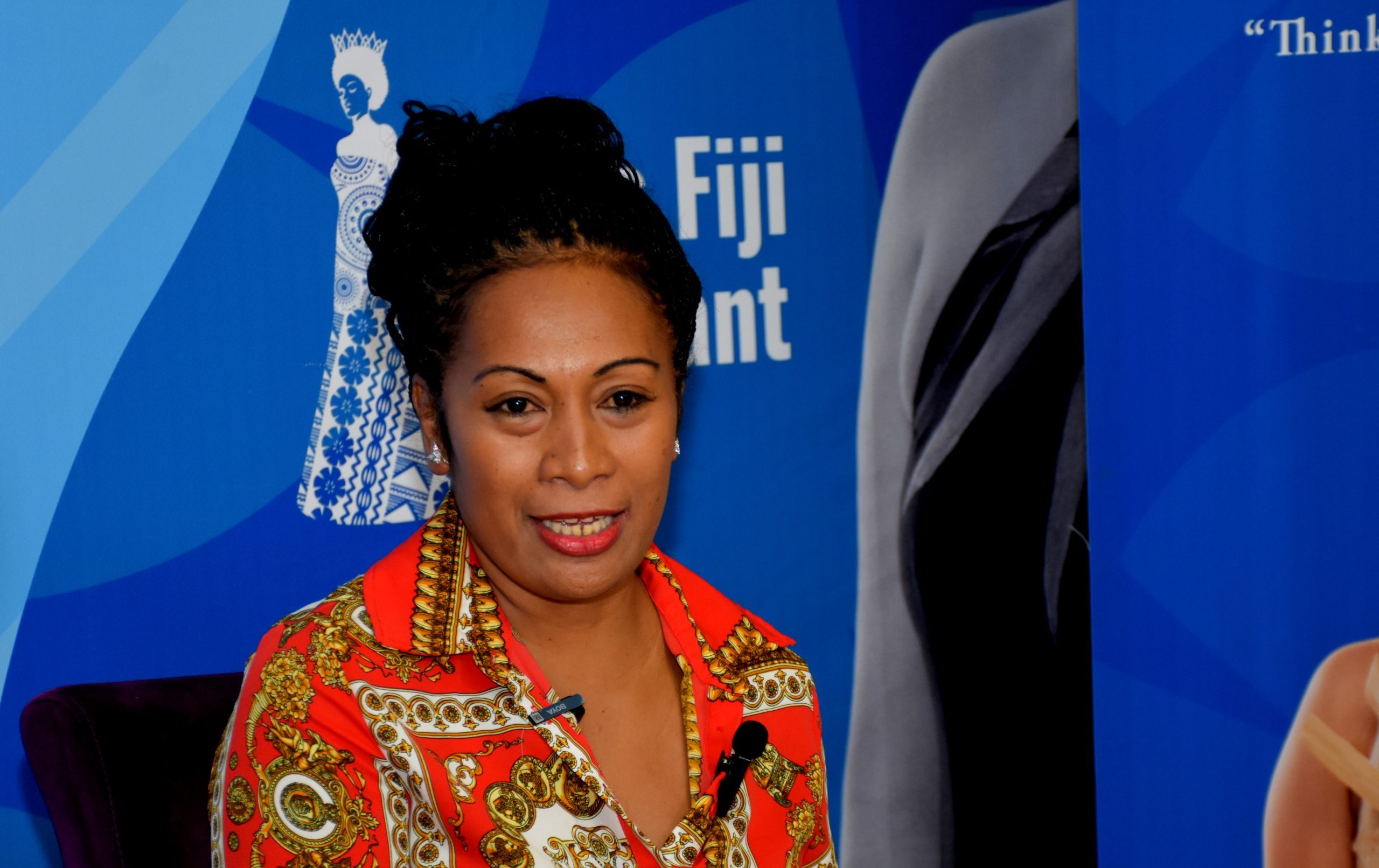
THE return of the Miss Fiji Pageant after an eight-year hiatus has been overshadowed by controversy, with allegations of bullying, colorism, unprofessional conduct, and contractual disputes dominating headlines.
The drama erupted on Tuesday when Miss Fiji Dr Peggy Ravusiro, alongside prominent Suva lawyer Tanya Waqanika, called a press conference to clarify statements made by the Miss Fiji Pageant Committee while announcing the selection of Miss Fiji’s first-runner-up, Ailava Samuels, as Fiji’s representative to next month’s Miss Pacific Islands pageant in Nadi. Some Miss Fiji contestants and former Miss South Pacific winner, Alisi Rabukawaqa, were also in attendance at the press conference.
They claimed that the pageant committee, led by director Ana Tuiketei-Bolabiu had subjected contestants to unfair treatment and restrictive contractual obligations.
Ms Tuiketeki-Bolabiu responded to the allegations on Tuesday night saying there was Grievance Redress Mechanism Policy which was never explored by any contestant, committee member or stakeholder.
“The committee members have volunteered their time for love of country,” she said.
“So, I feel it’s my responsibility to share our side of the story.”
Bullying and colorism allegations
Claims of bullying, body shaming, and colorism were central to Dr Ravusiro’s complaints.
Ms Tuiketei-Bolabiu rejected these accusations, noting that no contestant formally raised concerns with the committee.
She explained that professional counselling and support were available throughout the pageant through a counsellors supported by the Ministry of Women.
“The bullying, I wish it was reported to the committee as we take such accusations seriously,” she said.
“The colorism, this is new to the committee… To be throwing my name around, I would want to know the specifics, because allegations are serious.
“Otherwise, it’s defamation.”
She questioned why complaints were not made after the crowning on December 13 but were brought up nearly a month later.
All contestants were always accompanied by personal teams, support personnel, contestant committee members and security.
Contractual disputes
Dr Ravusiro raised three main concerns about her contract to represent Fiji at the Miss Pacific Islands pageant: the indemnity clause, termination provisions, and endorsement processes.
She received her contract on Christmas eve, ten days after the crowning and was given until the 9th of January to sign it as the registration for the contestant to Miss Pacific Islands Pageant was closing.
Despite weeks of negotiations, the Miss Fiji Committee did not agree to make any changes to the contract.
Ms Tuiketei-Bolabiu said the same contract that Dr Ravusiro signed when she entered the Miss Fiji Pageant was used for the contestant contract to Miss Pacific Islands pageant.
“The reason why we couldn’t amend the termination clause to include that she can terminate the contract at any time, was that this was not in the best interests of representing Fiji.
“If she terminates the contract after the registration period is closed, Fiji will be without a contestant at the Miss Pacific Islands pageant.
“Also, in the contract it discloses that should there be any dispute, mediation is an option that can be exercised.”
She explained that the indemnity clause was standard in all pageant contracts.
She added that negotiations ultimately ended when no consensus could be reached.
Dr Ravusiro claimed that her concerns were dismissed and she was told to “comply”.
Professionalism and chaperone concerns
The dispute also drew in former Miss South Pacific (2011) Alisi Rabukawaqa, whom Dr Ravusiro intended to serve as her chaperone to the Miss Pacific Islands pageant.
Ms Tuiketei-Bolabiu said before she was “asked” by Dr Ravusiro to join her team, Ms Rabukawaqa was part of the pageant committee until she left to support Team Suva (Miss Hibiscus, Rhyelle Aisea’s team).
She said the original chaperone for Dr Ravusiro during the Miss Fiji pageant was Kim Rova whom she later wanted to change.
However, Ms Tuiketei-Bolabiu said once a contestant was crowned Miss Fiji, responsibility shifts from the municipal council to the Miss Fiji secretariat, which appoints its own vetted national chaperone as the sole official support person alongside the contestant for the Miss Pacific Islands pageant.
While contestants may have personal support teams, the secretariat only formally recognizes and funds the contestant and the national chaperone, a structure that was clearly communicated to Dr Ravusiro and reflected in the contract, she added.
So, before the contract issue arose, Dr Ravusiro’s initial concern was that her preferred chaperone was not approved, which eventually led to a meeting involving the committee chairman, committee members, and a senior official from the Ministry of Local Government to try to reach a compromise.
It was during this meeting that the senior official told Dr Ravusiro to “vakarorogo,” which, according to Ms Tuiketei-Bolabiu, was intended as a request for her to work with the committee and comply with established processes.
Going back to Ms Rabukawaqa’s statement that she faced “unprofessional encounters” and “unfounded allegations”, Ms Tuiketei-Bolabiu said Ms Rabukawaqa only met with her personally and never attended committee meetings.
And on Dr Ravusiro’s criticism about receiving her Miss Pacific contract from a receptionist at Nambiar Lawyers as unprofessional, Ms Tuiketei-Bolabiu explained the logistics: the lawyers had already left for the holiday period, and Dr Ravusiro had agreed via text to collect the document at her convenience.
The Miss Pacific Islands pageant will be held in Nadi from February 8-14.

