
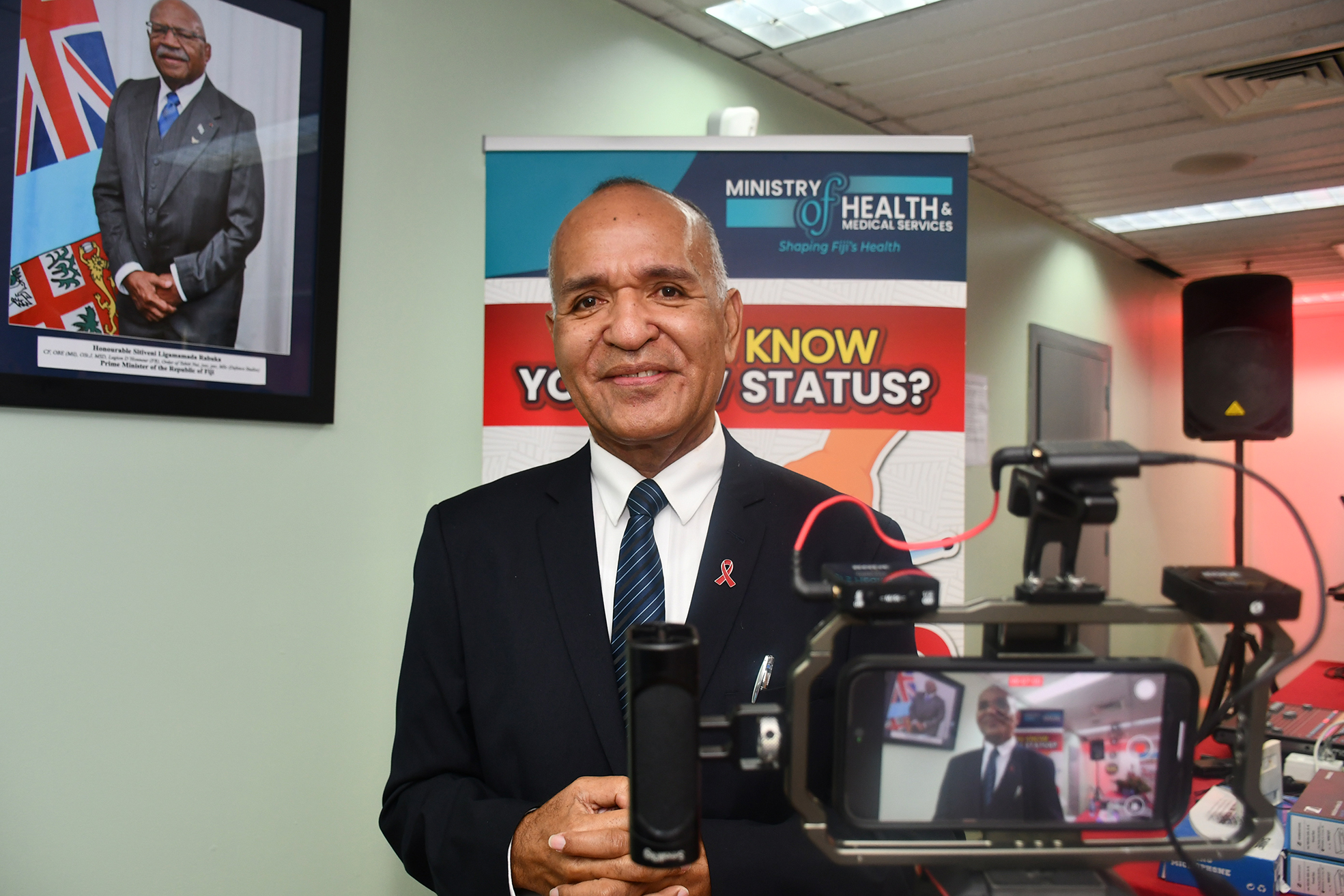
Reverend Simione Tugi will be remembered as a compassionate, principled leader whose life of service was rooted in faith, dignity and social justice.
He was not a man content with words alone. He believed in action, in standing alongside the vulnerable, and in challenging society to confront uncomfortable truths.
The Ministry of Women, Children and Social Protection said in a statement that the 63-year-old former general secretary of the Fiji Council of Churches was a strong and unwavering supporter of the ministry’s street dwellers initiative, as well as dialogue around drug abuse and HIV. They were not fashionable causes. They were difficult, complex and often ignored. Yet Mr Tugi never wavered.
Mr Tugi, who died in Kenya last Saturday, was a passionate advocate for the establishment of drug rehabilitation centres in Fiji.
Early last year, he publicly supported international NGO Drug-Free World International and its desire to help set up a rehabilitation centre in the country. That stance aligned squarely with what The Fiji Times has been calling for over the past four years.
We stand with the late Mr Tugi in his call for urgent action. Drug abuse is no longer a looming threat. It is here, it is deadly, and it is destroying families and futures.
Yesterday, we learned that the Ministry of Health has received a partnership proposal from representatives of Drug-Free World International. This is welcome news. But it also forces us to confront an uncomfortable reality. We have been pussyfooting around this issue for far too long.
As a nation, we talk endlessly about drugs. We release statements. We hold forums. We promise reviews. And then we delay. Or we pretend the problem is not as serious as it clearly is. That is a sad reflection of how we have dealt with one of the most pressing social crises of our time.
People are dying. Worse still, we do not have a proper, fully equipped rehabilitation centre staffed with experts who can appropriately treat drug addiction. That is what we urgently need. Not tomorrow, not next year, but now.
We need trained doctors and specialists who understand how to respond when addicts are rushed to hospital.
Methamphetamine packs are often laced with unknown chemicals. How are medical staff expected to identify what substances have been consumed, or how to counteract them, when the system itself is unprepared?
The consequences of this failure are devastating. Nine young boys died last year from drug overdoses.
This was confirmed by Fiji Police Force Narcotics Division Inspector Usaia Donu while speaking at a recent All-Nations Christian Fellowship Generation Youth Conference in Lautoka.
“In 2024, the Minister for Women and Children was saying in the newspaper that eight boys in Nadi died from meth overdose,” IP Donu said. “And then recently I visited a hospital here and the doctors told me nine young boys just died from drug overdose. The doctors said they could not help them.” That is a shocking reminder for us all!
According to Inspector Donu, the deaths were linked to methamphetamine use.
He relayed heartbreaking information from doctors who admitted they could not help the victims.
That admission alone should shock us into action. Doctors said they could not help. That should trigger outrage, frustration and deep concern across the country. It should compel us to demand urgent, decisive action.
As we reflect on the life and legacy of Reverend Simione Tugi, we are reminded that leadership is about courage, the courage to confront hard problems and insist on solutions. Honouring his memory means more than words of praise. It means acting on the hopes he held for this nation.
Enough talk!

