
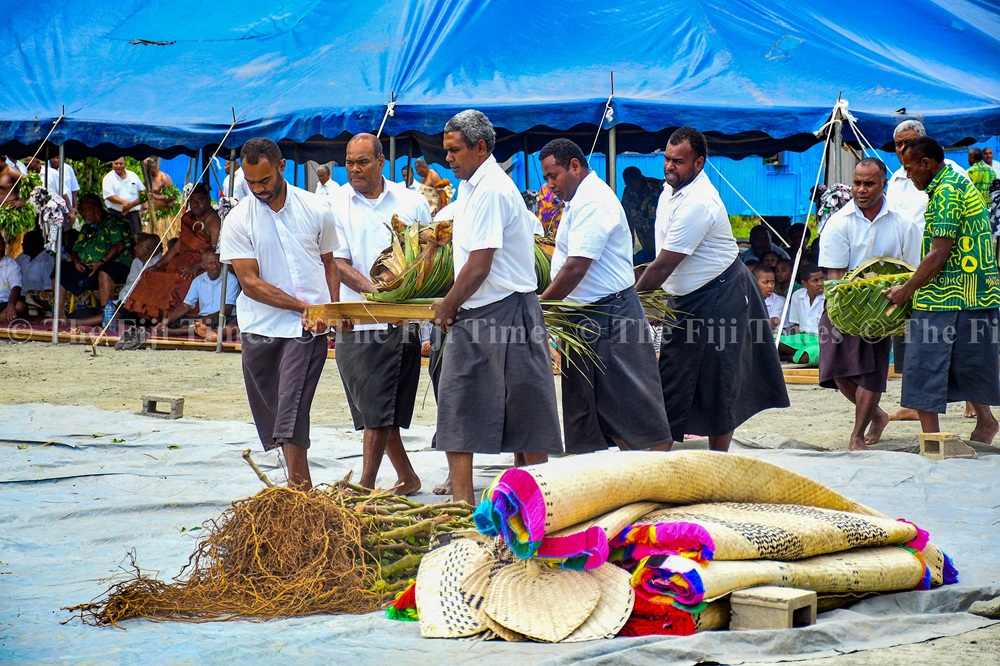
A new study has found that cultural obligations are driving mental burnout among New Zealand-born Pasifika, reigniting a long-running debate about balance, boundaries and wellbeing in Pacific communities.
While service, generosity and reciprocity remain core Pacific values, the study warns that constant giving without rest can erode wellbeing.
The findings echo similar concerns previously raised by Fiji’s Great Council of Chiefs (GCC), which has cautioned against the growing pressures placed on individuals in the name of tradition, urging communities to protect both culture and the mental health of their people. We also spoke to GCC chairman Ratu Viliame Seruvakula on the issue.
FT: Has the GCC observed similar patterns of burnout or stress linked to cultural and familial obligations within iTaukei communities? If so, what specific cultural expectations contribute most to this burden? At the GCC meeting held at Deuba February 22, 2024, the council discussed the need to review the practicing of traditional obligations against the backdrop of economic challenges of today.
Ratu Viliame: The discussions centred on the economic aspects as well as general wellbeing of the community in trying to cope with the demands. After lengthy discussions it was decided that the issue be referred to the bose vanua levels for the chiefs to determine in their own respective vanua on what to give up or how to adjust the application of traditional practices without losing the meaning of set customs. The council acknowledge that customs and traditions are important for it is our identity who we are and what we represent but the lack of time available to replenish resources has led from spending through debts
It was identified that the group needs (iTaukei traditional obligations) have become the priority over personal needs (personal/ family). The sacrificing of personal needs in many cases have pushed iTaukei communities to spend beyond their means in order to fulfil their traditional obligations. Leading parents both in the villages and urban settlements struggling keeping a balance between family obligations and the family needs. The sad reality is this may have contributed to series of domestic social issues today, young kids who end up in the streets in search of love and proper support because of communication breakdown between parents leading to the increase in conflict and resentment at home.
The GCC members acknowledged that contributing towards traditional obligations gives people a sense of purpose, sense of belonging, where in the iTaukei language we teach our children “kua ni dau kana cuvacuva, rai cake tiko mo nanumi ira na wekamu”. But in this modern day and age there is only so much one can give. Traditional leaders are entrusted with the responsibility for the wellbeing of family members, clans, tribes, they should encourage honest discussions within the community, discuss plans for the year, such as now at the beginning of the year. Determine which ones to carry out and the ones to push back determined by the capability of the members of the group.
The stress put on parents in trying to stay true to traditional obligations come what may, have led to neglecting the good attributes of parenting throughout a child development. There needs to be a lot of honest discussions at the vanua level among traditional leaders to help resolve this, it’s not going to come from the government, it must come from the leaders themselves. We all know that social factors such as poor parenting skills because of stress, exposure to domestic violence at home during childhood do lead to development of problem behaviours and children tend to model their behaviour that they see in their parents or the community they grow up in. So, if we as traditional leaders don’t take the bold step to resolve the issues then we shall continue to see the deterioration of the social behaviours in our time. I am not suggesting we do away with the traditional obligations, but we need to analyse how we can best apply our traditions without losing its significance against the modern-day economic wellbeing of the people.
FT: Does the council consider that traditional values of service, collectivism and tautua (?) might conflict with personal wellbeing, and how is this understood within iTaukei society?
Ratu Viliame: Unfortunately, in Fiji, the misunderstanding of personal wellbeing within the community and fulfilling traditional obligations can have a profound impact on mental health, if we look around today, cost of living are going through the roof and yet we as a community continue to spend lavishly at birthday parties that were celebrated within a home are now being held in hotels, with all the other additional that come with such an occasion. In some way we seem to be increasingly prioritising instant gratification and self-centred notion of happiness ahead of the wellbeing of the family in the long term.
FT: Are there community-led or chiefly-supported initiatives that aim to balance cultural responsibilities with self-care and mental health, while still honouring tradition?
Ratu Viliame: The GCC has established a Vanua Leadership Diploma (FNU) which is a 12-month program preparing future chiefs and included in the course are subjects that are designed to help future leaders make evidence-based decisions rather than relying solely on tradition or instinct.
Local leadership responses through the bose vanua where members of the council and the provincial council representatives are encouraged to take the lead in open dialogue about the subject. The effectiveness of the initiative to date varies across provinces, where stronger leaders are better positioned to balance obligations with wellbeing.
Otherwise, the traditional leaders through provincial council forums have been encouraged to call for annual planning meetings either before the end of the year or early in the new year through the bose vanua level to prioritise obligations realistically down to the level of costing activities.
FT: How do chiefs and community leaders identify and support individuals showing signs of stress or burnout due to cultural pressures?
Ratu Viliame: This is an area that needs a lot of work, the training of peer helpers is one thing, encouraging the community members that stress is a fact of life and fighting stigmatisation is something we have to stand up to.
FT: In your view, are there policy approaches or cultural dialogues needed to address this issue respectfully within iTaukei and wider Fijian contexts?
Ratu Viliame: Absolutely, in my opinion there needs to be a formal holistic approach to dealing with mental health within the iTaukei community and for other minority communities as well. We all live in the same country our challenges are shared as well.
Government and stakeholders need to regroup and review strategies with stronger rural outreach.
Mental health integration: Address stress alongside broader social issues (unemployment, migration, broken homes, planning and prioritising).
Youth focus: Tackle drug use, teen pregnancy, and HIV through education and community support.
Respectful Dialogue: Chiefs and leaders must frame reforms as adaptations, not abandonment, of tradition – preserving identity while safeguarding wellbeing.

