
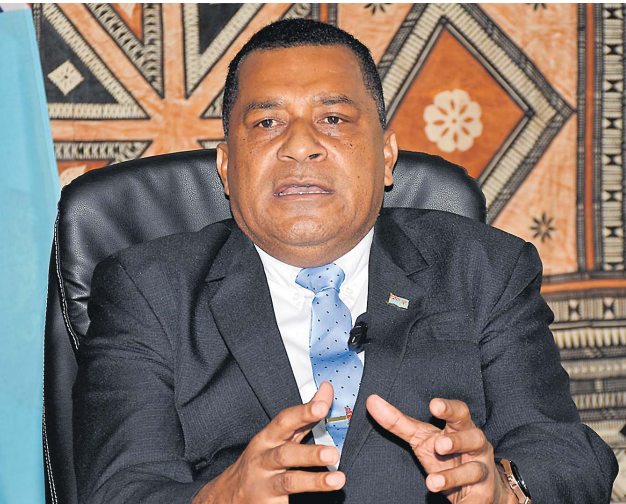
GOVERNMENT is advancing a flagship landfill project in the Western Division, representing a shift in how Fiji plans, manages and invests in waste systems.
Minister for Housing and Local Government Maciu Nalumisa said the initiative went beyond increasing landfill capacity and aimed to set new standards for environmental protection, operational excellence and long-term sustainability.
“The Western Division landfill is being developed as a model for modern waste management to support our growing communities, protect our natural environment and demonstrate what is possible through strong governance and strategic partnerships,” Mr Nalumisa said.
“The support provided through this grant will strengthen this vision by ensuring councils have the modern equipment needed to deliver reliable services.
“We see this project as a foundation for continued collaboration with the Government of Japan and a pathway to extend these improvements across Fiji.”
He said Government was working towards cleaner towns and cities, improved waste collection systems, better landfill management and more sustainable waste practices.
“This includes policy reform, institutional strengthening, infrastructure investment and strong partnerships with development partners such as Japan.
“The Government of Fiji recognises that waste management is not an isolated issue, but is central to public health, environmental protection, climate resilience and the quality of life of our people.
“For this reason, waste management reform is a key pillar of our national development agenda.
“The support provided through this grant is therefore not a standalone intervention, but part of a broader national vision to build a modern, efficient and well-managed waste management system across Fiji.”
Big push on waste
THE Government will continue to support municipal councils and rural local authorities through targeted financial assistance to offset the cost of waste management and service delivery.
Minister for Housing and Local Government Maciu Nalumisa said rural local authorities received a $500,000 waste management subsidy in the previous financial year, which increased to $590,000 in the current financial year.
“This reflects the rising costs faced by rural councils,” Mr Nalumisa said.
“Municipal councils have also been allocated a $3.2million waste collection subsidy for the current year.
“These allocations demonstrate the Government’s commitment to strengthening waste services while improving efficiency, accountability and sustainability.”
He acknowledged the support of the Japan International Cooperation Agency (JICA), saying its contributions through programs such as the Clean-Up School Program, 3Rs initiatives, landfill improvements, composting, civic awareness and technical training had significantly strengthened Fiji’s waste management capabilities.
He said assistance through the J-PRISM Project had strengthened institutional capacity, improved waste segregation and disposal practices, and supported policy and operational reforms within local government.
“With the commencement of the third phase of J-PRISM and the successful completion of its second year, we are encouraged by the strong collaboration and shared commitment to achieving long-term, sustainable waste management outcomes.”
Mr Nalumisa said the $12.5million grant provided under Japan’s Grant Aid – the Economic and Social Development Programme (ESDP) – would significantly boost municipal councils’ waste management efforts.
“The benefits of this equipment will be clear and practical, including improved efficiency and reliability of waste services, reduced downtime and maintenance costs, expanded service coverage, safer working conditions for municipal workers, and stronger compliance with environmental and health standards.
“These improvements will enhance the quality of life for our people, strengthen public confidence in municipal services and support the Government’s vision for cleaner, safer and well-managed communities
across Fiji.”
He said the equipment procured under the grant would be managed by municipal councils, with policy guidance and oversight provided by the Ministry of Local Government.
“This will ensure effective use, proper maintenance and alignment with national waste management objectives.”
JICA and Fiji team up to modernise urban waste systems
WASTE management remains a pressing challenge for municipal councils as towns and cities continue to grow, says Minister for Housing and Local Government Maciu Nalumisa.
Speaking during the Exchange of Notes and Grant Agreement signing ceremony in Suva yesterday, Mr Nalumisa said councils were required to deliver reliable services despite ageing equipment, rising operational costs, limited landfill capacity and increasing volumes of waste.
“In some municipalities, outdated machinery has resulted in frequent breakdowns, affecting services, increasing costs and creating difficulties in meeting environmental and public health standards,” he said.
“These challenges highlight the urgent need for modern, reliable and efficient waste management equipment.”
Mr Nalumisa acknowledged the support of the Japan International Cooperation Agency (JICA), saying it had played a vital role in supporting Fiji’s waste management efforts since 2011.
“This includes the provision of technical experts, support to municipal councils and assistance to the ministry in developing the 10-year National Solid Waste Management Master Plan.
“Through JICA-supported program, technical volunteers have been embedded within municipal councils, while machinery and vehicles have been provided to strengthen waste collection and disposal services.”
JICA resident representative Yumi Kimura said the agency remained committed to working alongside the ministry to enhance waste management capacity and protect Fiji’s environment.
“The provision of waste collection and processing equipment such as garbage trucks, dump trucks, bulldozers, excavators and woodchippers is expected to supplement the country’s environmental
protection initiatives,” Ms Kimura said.
“It is JICA’s sincere hope that this equipment will assist the ministry in enhancing its operational capacity by strengthening existing infrastructure and resources through the deployment of proper waste processing and recycling machinery.”

