
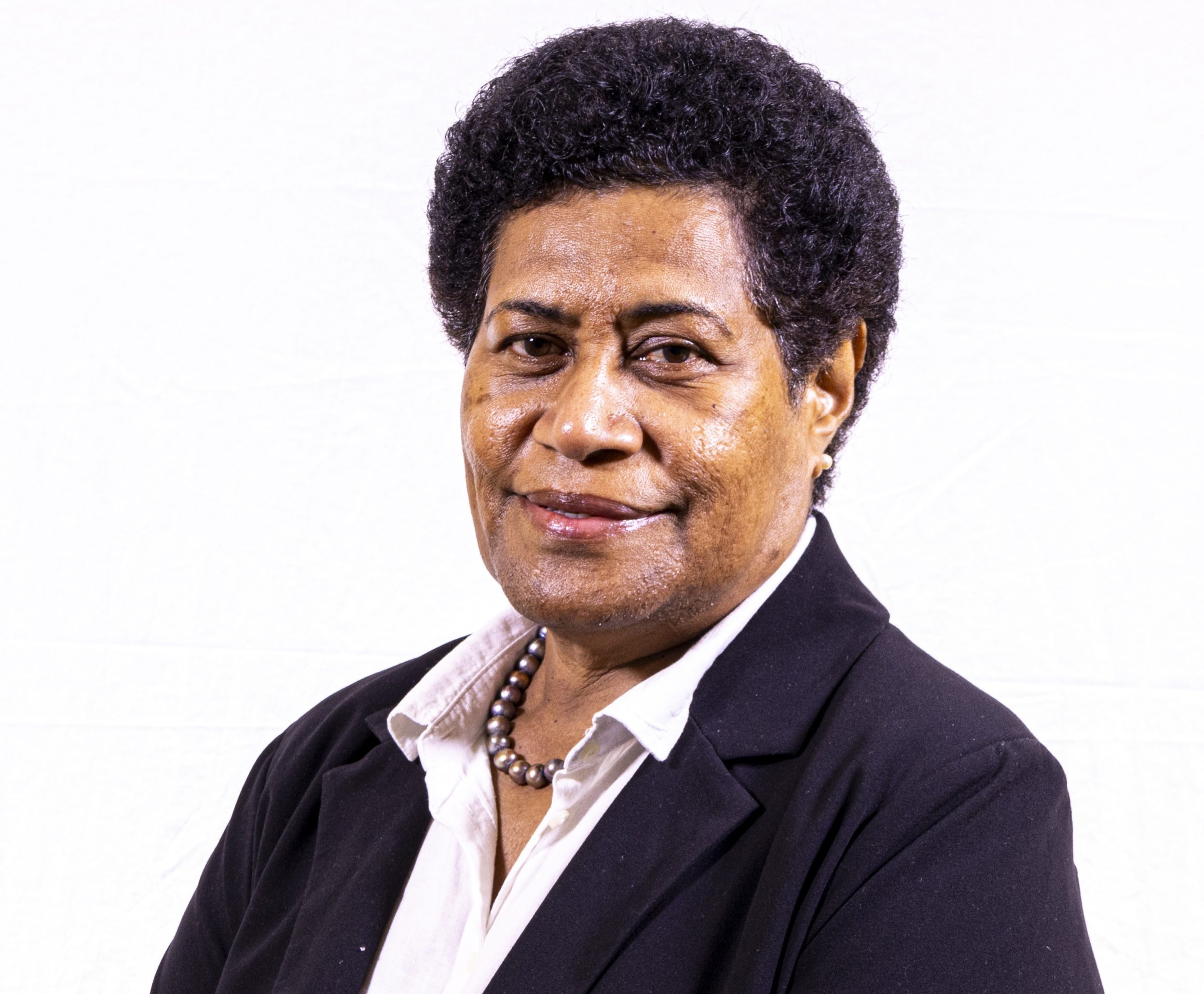
MODERN Fijian women are more empowered with knowledge than previous generations and should not shift the blame for unplanned pregnancies onto cultural coercion,” says Commonwealth Nurses and Midwives Federation (CMNF) Pacific Regional board member Dr Alisi Vudiniabola.
Dr Vudiniabola was responding to questions regarding a social media post by a healthcare worker at the Nadi Antenatal Clinic where just two staff attended to 105 pregnant women in a single day.
The post noted that poor family planning uptake is heavily driven by reproductive coercion, a form of gender-based violence where a partner dictates a woman’s reproductive choices and young girls frequently presenting with unplanned pregnancies.
Commenting on the escalating number of teenage and high-risk pregnancies, Dr Vudiniabola said that unless rape was involved, the issue often stems from ignorance rather than societal pressure.
“I am not sure if women in Fiji are becoming pregnant through societal or family pressures, because from what we see reported on the escalating number of teenage pregnancies, unplanned and grand multiple pregnancies which are high risk to the health of the mother, does not seem to point at coercion squarely but on the ignorance of the mothers/women involved,” she said.
Dr Vudiniabola said that women were now more empowered with knowledge than ever before.
“Women today are educated and have more freedom of choice than in our generation of 20 years ago.”
“We also have women nowadays who are knowledgeable about and are accessible to FP (family planning) methods on their phones than those of 10 years ago. It is therefore unfair to blame others or to blame cultural coercion on their unplanned or forced pregnancies unless of course if we are talking about cases of rape.”
Dr Vudiniabola questions effectiveness of data collection
COMMONWEALTH Nurses and Midwives Federation (CNMF) Pacific Regional board member Dr Alisi Vudiniabola has questioned the effectiveness of data collection and its use in informing Fiji’s public health strategies regarding family planning.
Dr Vudiniabola was responding to questions regarding a social media post by a healthcare worker at the Nadi Antenatal Clinic where just two staff attended to 105 pregnant women in a single day.
The post noted that poor family planning uptake is heavily driven by reproductive coercion, a form of gender-based violence where a partner dictates a woman’s reproductive choices and young girls frequently presenting with unplanned pregnancies.
Dr Vudiniabola said that nurses and NGOs collect vital monthly and quarterly data on family planning uptake but questioned if this information is being utilised by the government statistician to guide the Ministry of Health.
“What is happening to this data? Is the government statistician making sense of this vital information especially of this FP (family planning) uptakes,” she said.
“This data should be informing the public health strategies that need to be rolled out by the ministry of health.”
Dr Vudiniabola also called for more visibility for funded NGOs working in family health, suggesting a comparison of data between these organisations and nurses to monitor the uptake of various services across the country.
“We must always keep an eye on this basic data because this is the one that will lead to the more complex problems that are difficult to deal with in the public health system. We also have organisations and NGOs that are funded to support the work of public health in family planning.”
Dr Vudiniabola said these organisations were also doing a lot of work in family health and they needed more visibility in communities so their services could be utilised.
“As funded organisations, they are also expected to collect data for M&E (monitoring and evaluation) purposes and it will be interesting to compare data with nurses especially for the uptake of various FP(family planning) services in the country.”
Dr Vudiniabola links poor planning to child aggression
THE long-term effects of poorly planned families are threatening the social fabric of Fijian society, contributing to child aggression, bullying, and general poverty, says Dr Alisi Vudiniabola After a healthcare worker went public about seeing 105 patients with only one colleague at the Nadi Antenatal Clinic, Dr Vudiniabola spoke out on the underlying causes.
She pointed to reproductive coercion as a primary driver of poor family planning uptake, noting that this form of abuse allows partners to dictate choices and leads to frequent unplanned pregnancies among young girls.
Dr Vudiniabola said that when nurses cannot supervise family planning because of work pressures, the consequences extend far beyond the clinic.
“Other areas that nurses are not talking about but are already presenting themselves in our societies include a rise in children’s illnesses, child aggression resulting from sibling rivalry, increase in children that are adopted out of their immediate families, general poverty in families and malnutrition,” she said.
Dr Vudiniabola said that while Fiji once relied on kinship networks to cushion these effects, society has changed.
“Aggressive behaviour of children, are usually noticeable in schools, bullying, and antisocial behaviour of such families including adults is a threat to the social fabrics of our Fijian society.
“We cannot continue to depend on these past arrangements to support our families and their children.”
Family planning services forgotten
DR Alisi Vudiniabola says family planning (FP) services are being left out and forgotten as Fiji’s healthcare system struggles with a severe where two staff of a Nadi Antenatal Clinic attended to 105 pregnant women in a single day, Dr Vudiniabola said the crisis directly affects community health.
“The challenges of providing adequate staffing in community health centres and nursing stations as well as hospitals directly affects the FP services and because they tend to be left out and forgotten about in a human resource strapped system,”
“The Ministry of Health infrastructure in Fiji is adequately positioned to provide any kind of FP reproductive health services for any age group or member of the community.”
Dr Vudiniabola said it was the equipping of these facilities with adequate resources to enable the delivery of services that was challenging.
She said when midwives and nurses cannot provide counselling and clinical care due to manpower shortages, antenatal clinics will be full of pregnant women, unwanted pregnancies, abortions and other forms ill-health that arise from unplanned pregnancies. human resource shortage.

