

When power gets pricier, everyone pays, even if the bill says otherwise.
By any reasonable measure, electricity is no longer a luxury in Fiji, it is a lifeline.
It powers our homes, keeps food cold, enables businesses to operate, supports hospitals, schools, water systems, communications, and now even our digital livelihoods.
That is why the recent narrative around the Electricity Fiji Limited (EFL) tariff adjustment deserves far more scrutiny than it is currently receiving.
We are being told, quite confidently, that “around 99,000 customers will not see an increase in their electricity bills.”
On the surface, that sounds reassuring. Comforting, even. But scratch just a little beneath that headline and the picture looks very different and far more expensive for ordinary Fijians.
Yes, technically, some households may not see a direct increase on their electricity bill. But the uncomfortable truth is this: electricity price increases do not stay confined to power bills. They ripple through the entire economy, quietly and relentlessly, until everyone pays often more than they realize.
When electricity goes up, everything else follows. Electricity is not just another household expense. It is a foundational cost embedded in almost every product and service we use. When electricity tariffs rise, businesses have only two choices: absorb the cost or pass it on. In reality, most cannot absorb it.
A bakery pays more to run ovens. A butcher pays more to keep freezers running. A supermarket pays more for lighting, refrigeration, and POS systems. A factory pays more to process, package, and store goods. A bus company pays more as fuel, maintenance, and operating overheads increase.
And when those costs rise, prices go up quietly, steadily, and across the board.
So while a household may be told, “Your electricity bill hasn’t changed,” they soon find themselves paying more for bread, rice, tinned fish, transport, school stationery, and basic services. The cost doesn’t disappear; it simply moves down the supply chain and lands squarely on the consumer’s shoulders.
There is illusion of protection in the claim that tens of thousands of households are “protected” from tariff increases creates a false sense of security. It suggests relief where there is none. It masks the reality that electricity is an input cost embedded in nearly everything we buy or use.
A family might save a few dollars on their monthly power bill, only to spend significantly more at the market, at the bus stand, or at the hardware store. That is not protection, it is redistribution of burden through the back door.
And unlike a transparent electricity bill, these indirect costs are harder to track, harder to challenge, and harder to regulate.
Small and medium enterprises are often the first to feel the impact. They operate on tight margins and cannot absorb rising energy costs indefinitely. When electricity prices increase, they adjust prices simply to survive.
That local bakery, mechanic, tailor, internet café, or takeaway shop does not have the luxury of absorbing higher costs for long. Eventually, the customer pays not because businesses are greedy, but because survival demands it.
And once prices go up, they rarely come down.
The political cost no one wants to talk about! This is where the conversation becomes uncomfortable but necessary.
With a general election on the horizon, decisions around electricity pricing are no longer just economic; they are deeply political. Electricity bills are among the most visible and emotionally charged household expenses. Voters may not read tariff schedules, but they certainly feel higher prices at the checkout.
Claiming that “99,000 customers are unaffected” may sound reassuring in press statements, but it risks backfiring when people experience rising living costs in real time. When grocery bills climb, transport costs rise, and small businesses quietly increase prices, the public connects the dots regardless of how the policy is framed.
The danger for policymakers is not just economic backlash, but loss of trust. People may accept hardship when it is explained honestly. What they struggle to accept is being told they are unaffected while their daily expenses tell a different story.
In an election cycle, perception matters as much as policy. If families feel squeezed while being told they are protected, frustration turns into resentment and resentment has a way of showing up at the ballot box.
The bigger question government must answer and the real question is not whether 99,000 customers see a line item increase on their bill.
The real question is this: How many households will quietly pay more for everything else because electricity became more expensive somewhere else in the system?
If the answer is “most of them,” then the policy has failed its purpose.
Fiji deserves transparent, honest conversations about energy pricing, not comfort in technicalities. The public deserves to know the full economic impact, not just the politically convenient portion.
Because in the end, electricity does not exist in isolation. When the power price goes up, so does the cost of living. And no amount of clever wording can switch that reality off.
n MOHAMMED NAFEEZ is an IT professional in Fiji, with over 13 years of experience in digital education, service delivery, and community development. A passionate advocate for digital equity, he worked across educational institutions, private sector, and grassroots levels to promote inclusive ICT growth in Fiji. The views expressed are the authors and not shared by this newspaper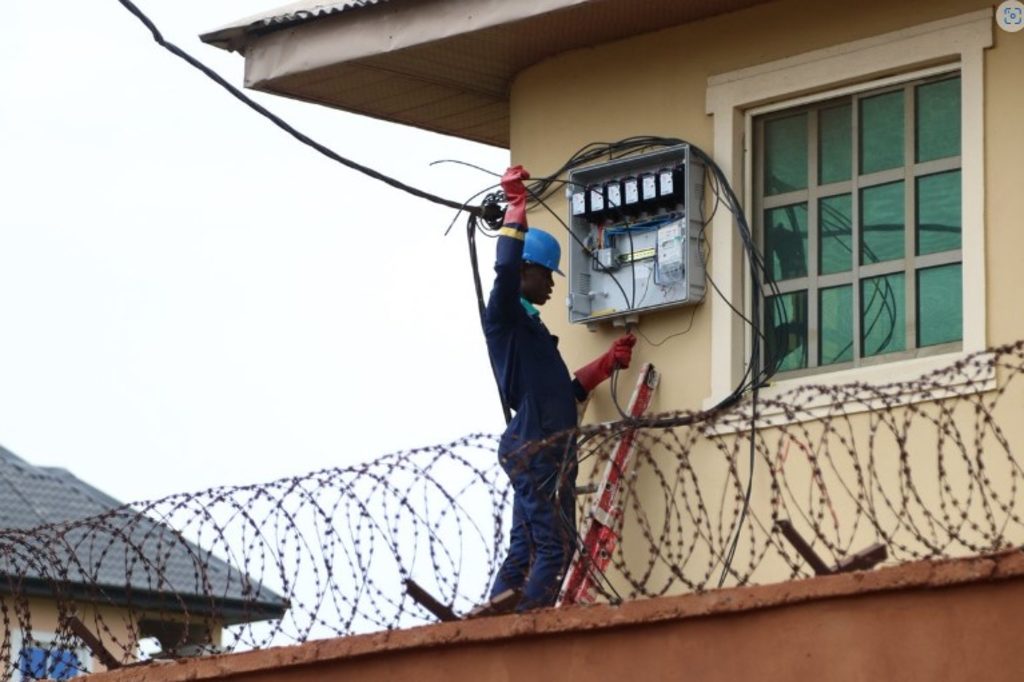
The author says electricity does not exist in isolation, so when the power price goes up, so does the cost of living. Picture: NAIRAMETRICS.COM

