

Based in Australia, Katherine Wolfgramme is a prominent, well respected transgender woman and a beloved member of Sydney’s gay community. This Q&A , the Fiji-born Katherine speaks to The Sunday Times about how a dysphoric island boy transitioned into a woman.
1. Talk to us about yourself
I am known most famously as a trans advocate and gay icon in Australia. I live in inner city Sydney. I was born in 1972 to a part European Fijian mother from Lami and a Tongan/ Solomon/ Samoan man from Nasinu. My parents were very young so I was bought up lovingly by my great grandparents Eliza and John Kamea in Australia. Through Nana Eliza I am related to most of the Kailoma families of Levuka, Savusavu, Taveuni and Qamea
2. What is your Fiji connection.
I was born in Fiji in 1972 at CWM Hospital in Suva. All my Fijian blood comes from Nana Eliza who was born a Mitchell from Qamea. Her grandparents were the Australian planter Frederic George Mitchell and the Lovoni (Ovalau) princess Adi Matila Maramanikaiviwa. who was sold for 4 pounds when she was only 14. Australian Mitchell archivists are very proud to point out their cousin moved to Fiji and married a princess!
I am most proud of my Fijian blood, which is from the brave iTaukei of Lovoni, revered for their stand against British colonialism.
3. Why did you leave Fiji?
Grandpa was a South Pacific school inspector for the colonial government and Nana worked for the Red Cross so it was easier for them to migrate to Australia after independence. Also their grandson, my Uncle Robert Wolfgramme was at University in Australia, and my grandmother June had remarried an Australian and was also living in Melbourne; so after my mother separated from my father she wanted us to be bought up with her family.
4. Explain to people who don’t know what someone with dysphoria goes through.
I was born with a condition called Gender Dysphoria. My brain could not accept it was male, because I was born male but my brain believed it was female. The only way I could feel happy and at peace was to transition and live my life in a female role, once I did this I immediately became content and happy. Being a transgender woman, is not unique, but it is difficult because in most cultures we are considered to be second class citizens. Some people feel uncomfortable to come to terms with our existence. Sometimes families will feel ashamed of what people will think about them, which is sad because nobody can help being vakasalewa, it is the way we are born.
5. What really made you decide to transition as a teenager?
I was always going to transition there was never a moment that I considered another option. The question was more when. In Australia you can do anything you want once you turn 18, so once I was legally an adult I immediately left home and began my journey to transform into Katherine.
6. During your transition how did you influence thinking, conversation etc back in Fiji?
I believe by our existence we create change. Myself, I am a transwoman with a good education and proud family heritage which I believe gave me strength to push through. Our Vu is Rakavono, legends tell that he bought change and new ways of thinking I believe spiritually this also carries through with my attitude and belief in myself, I carry a turtle key ring to honour him and my heritage.
In 1997 I became the very first Fijian transgender woman to legally change her name by deed poll.
Later that year Fiji became the first country in the Pacific and the third country in the world to add the protection of LGBT people to its constitution, I would like to think that I have contributed in some way to Fijian history, as have my ancestors.
This would not have been possible without the help and support of my Uncle Culden Kamea and his family who supported and stood with me at that time for which I was not just surprised, I have always been very grateful to them.
When families stand behind you, you become more empowered. At the time my Uncle Culden said to me “Blood is thicker than water”, and he said when I asked him if I could mention his part in journey.
He said “I am not ashamed of your decision to change your gender”, and added again “Blood is thicker than water”.
Truly Christian people who walk with god are also far more compassionate and understanding of the human experience even if they don’t understand everything I have always found.
7. Talk about your advocacy work in Australia and how it has influenced change among Australians?
I have been honoured by my peers for my groundbreaking work as an educator to corporation by teaching cultural safety for transgender people in the workplace and also as customers.
My clients have included the top 20 non-Chinese banks of the world and top international law firms. My influence has also enabled me to be an ambassador for Sydney World Pride, and Qtopia, the largest gay museum in the world, and The Bobby Goldsmith Foundation, I have also served as a board director of Qtopia, Public Officer of Wear It Purple and serve on the Mardi Gras Board.
I have also been an LGBT brand ambassador for Camilla Australia, Booking.com, P&O Pride Cruise Ambassador and many years ago Alex Perry.
I am also studied at some Australian Universities as a part of Gender Studies and i am even mentioned in academic books! I am so proud to be such a prominent Fijian born person in Australia, and I hope I can make people back home proud.
8. What inspires you the most?
Dignity, I believe we are all entitled to human dignity. Nobody should be allowed to make themselves feel better about themselves by taking away the human dignity of someone else for any reason. Nobody should feel the humiliation of discrimination, condemnation or exclusion because of someone else’s overtly personal or religious beliefs. Self-righteous pride is also a sin.
9. What world do you envision for yourself in the future?
I would like to be more active in the Fiji Australian Community, I am so grateful to the powerhouse of Aunty Ellen Whippy Knight of Fiji Fashion Week. She has been instrumental in introducing me to the Australian Fijian Community and making sure that I be introduced to every Fijian Prime Minister and Deputy PM to step foot in Sydney. She has also made sure I meet the High Commissioner, she has also made me a part of the Fiji Australian delegation at local council events. I love that she is proud of me and is supportive of my desire to connect with my heritage. Through her I have made some wonderful friends who still live in Fiji.
I will be appearing more on television for current affairs programs and print media. it is a great way to still have influence but less pressure of being physically present.
10. Have you noticed changes in Fiji on the issue since your transition?
I have noticed the term viavia yalewa change to vakasalewalewa to be more in line with Polynesian terminology for the transgender experience. I have also noted the strong dignified presence of Haus of Kameleon, and as I mentioned before the protection of LGBT rights in Fiji’s constitution.
11. What more needs to be done?
There is worrying number of violent unsolved murders of transgender women in Fiji, and also unreported sexual and physical assaults. I would like to see more done for murderers to be found and punished accordingly and I would like my trans sorority to feel safe enough to be able to report these violations against them, rather than shamefully stay silent and carry the trauma associated with that.
I extend that concern also to the women of Fiji and would like to see more education and punishment handed down to the perpetrators, rather than blaming the victims and forcing them to carry such shame in silence.
12. Any advice to people who feel trapped in another body?
My advice is always to seek happiness and demand human dignity. Be the best human being that you can be. Life is too short and at the end of the day families will come to eventually understand, because love in all its form will conquer all. Love will win. Even transitioning is a form of love for oneself.
13. How do they get help?
Thankfully the internet is a great tool to help anyone with any need. In Fiji, The Haus of Kameleon is a great place to start, it is a home grown organisation with a community of people who support each other. They will be able to help with peer support and referrals. The famous Leitis Association of Tonga is a globally well respected institution. Joey Mataele has spearheaded something vey special for Tonga and Pasifika Rainbow People to be proud of, and I am sure the organisation would be a great support. For families with transgender people who wish to be more supportive The Gender Centre in Australia has a great website with free educational information packs to download.
14. Any other issue that you’d like to talk about?
Shame is an interesting word, shame is something other people will come to you and ask you to carry. Always remember that shame is the property of the person asking you to carry it, and once you accept it you will ashamed.
There are times you should feel ashamed especially if you have broken laws or hurt someone. Basically what I am trying to say is hateful abusive people’s actions speak more to who they are as humans than who you are because they are just deflecting their sinful behaviour, hoping they won’t be noticed by shaming you. This is called gaslighting.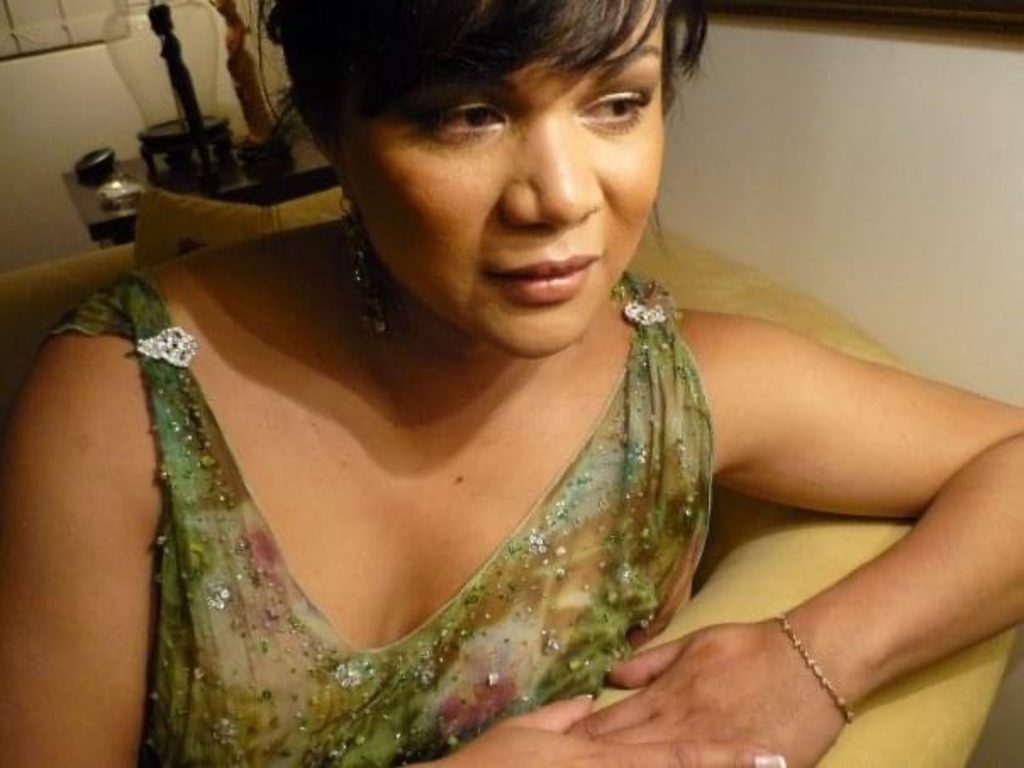
Katherine in Perth in 2004. Picture:SUPPLIED
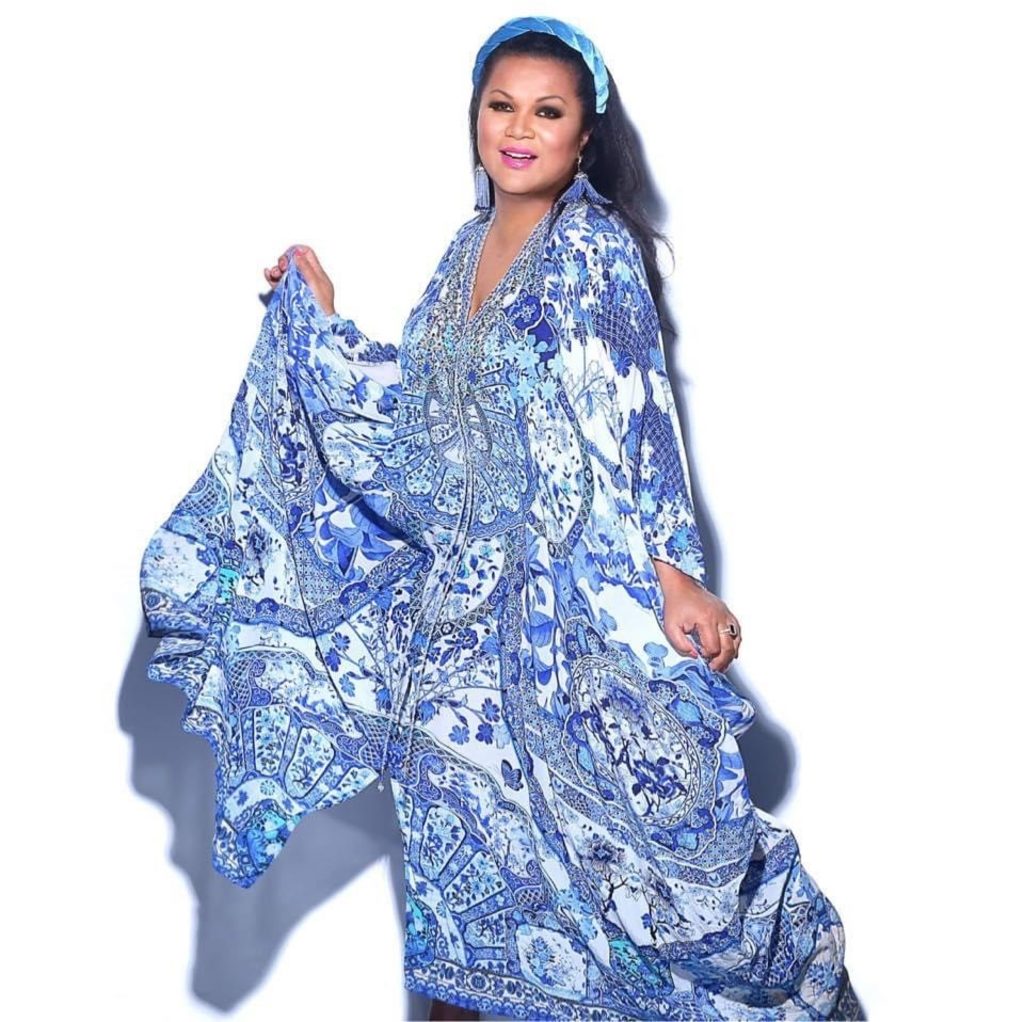
In a blue themed kaftan. Picture:SUPPLIED
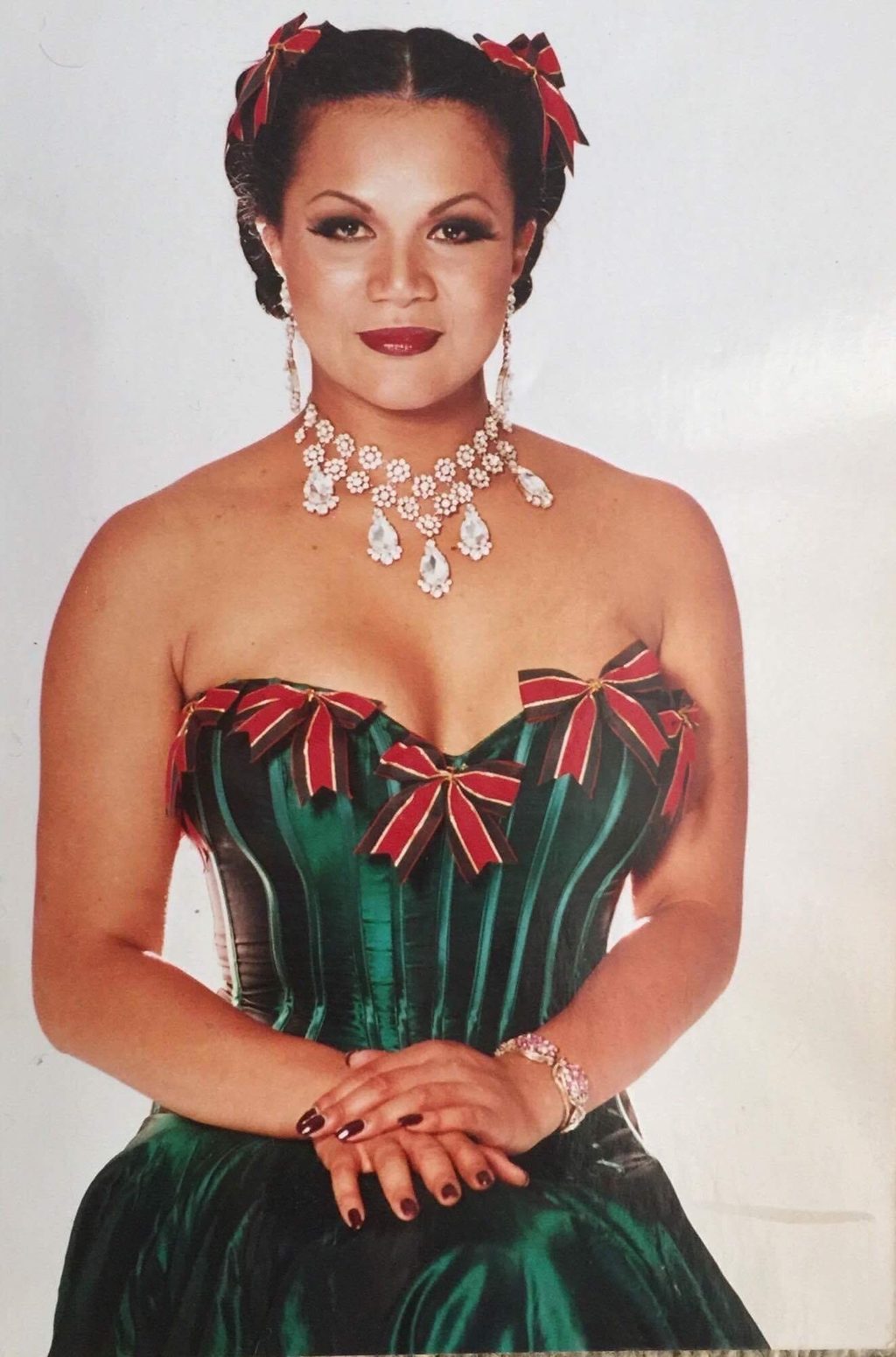
Dressed to the nines in 1999. Picture: SUPPLIED
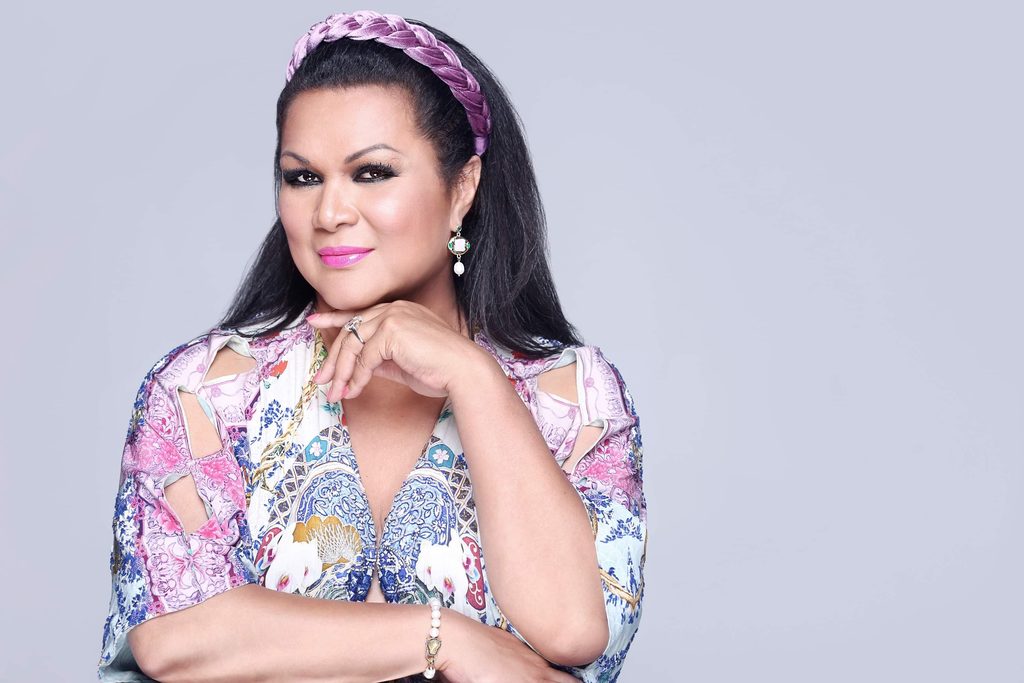
Katherine believes transitioning is a form of love for oneself. Picture: SUPPLIED
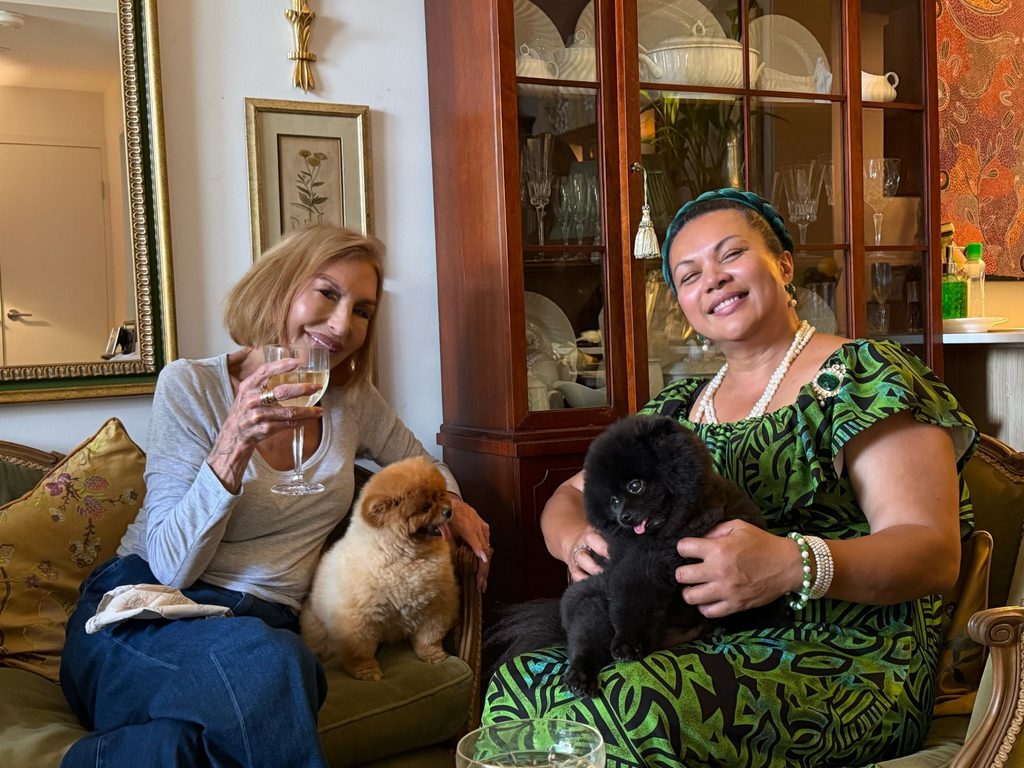
Relaxing at home pet with dogs Penelope (brown) and Frankly (black). Picture: KATHERINE WOLFGRAMME Facebook Page
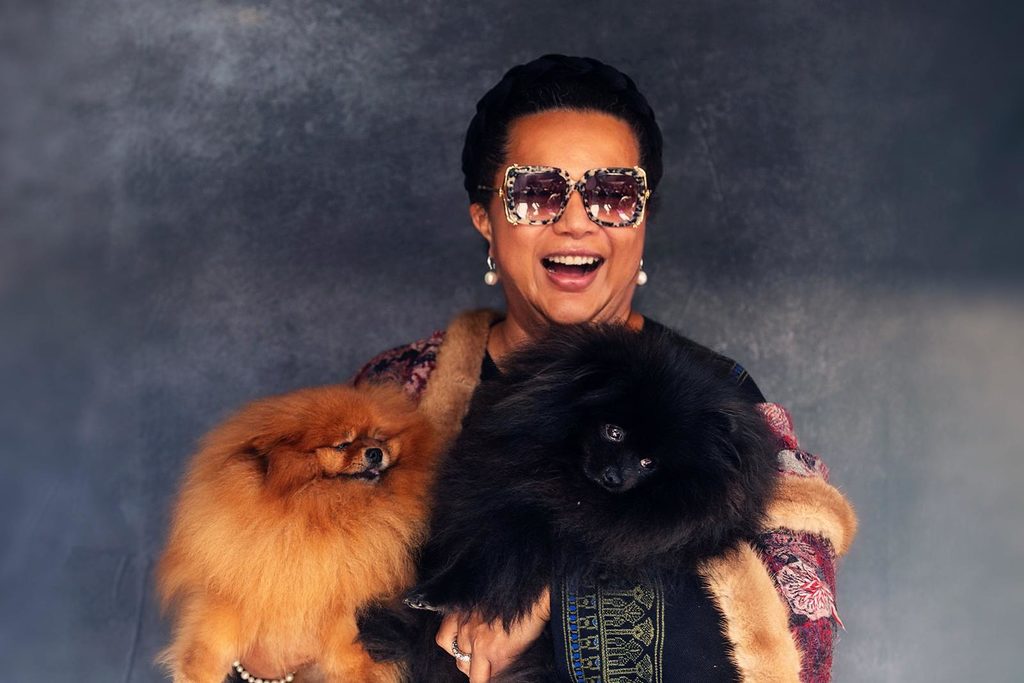
Katherine in the company of pet dogs Franklyn (black) and Penelope (brown). PictureL KATHERINE WOLFGRAMME FACEBOOK page

