
Skilled health workers from Pacific Island countries, including Fiji, are being drawn to Australia to fill critical shortages in its care sector, leaving health systems back home on the brink of collapse, according to new research.
A report by the Centre for Future Work at The Australia Institute, in partnership with Public Services International, found that care workers have recently been added to the Pacific Australia Labor Mobility (PALM) scheme, which was previously focused on seasonal agricultural labour.
As a result, qualified health workers such as nurses are leaving their posts to take up better-paid but lower-skilled care roles in Australia.
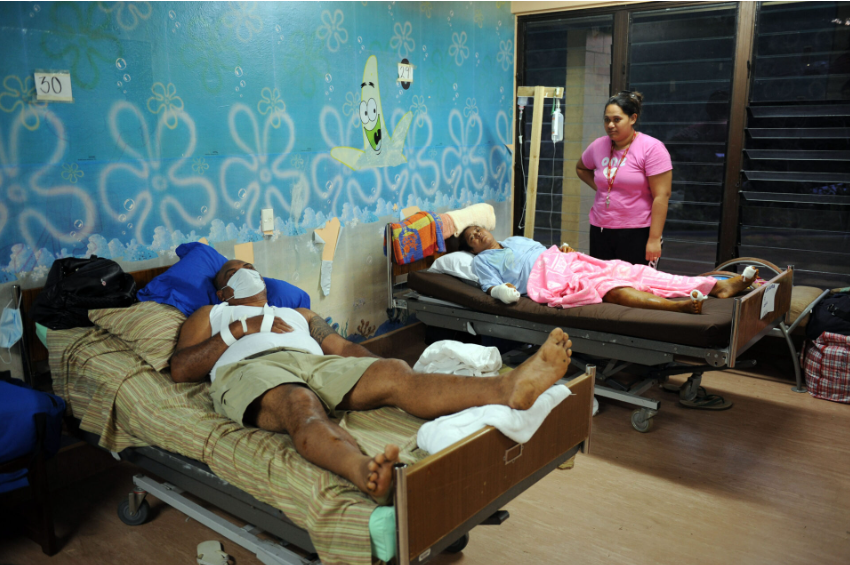
The report paints a grim picture of health systems in Fiji, Papua New Guinea, Samoa, the Solomon Islands and Vanuatu, with many hospitals and health services operating at just 30 to 40 per cent capacity or less.
It also highlights that once in Australia, many Pacific workers are being deskilled, underpaid and exposed to exploitation due to their visa status.
“Workers have the right to cross borders for a better life for themselves and their families,” said Fiona Macdonald, Director of the Centre for Future Work at The Australia Institute.
“But the current system is broken. It is rich countries taking from poor countries and giving nothing back.”
Ms Macdonald said Australia and New Zealand were effectively shifting their own care crises onto Pacific neighbours, despite commitments to support and strengthen regional health systems.
The report calls for urgent reform of recruiting and labour hire systems, including the PALM scheme, and stresses the need for meaningful dialogue with Pacific workers to ensure their rights are protected and regional health systems are not further weakened.

