
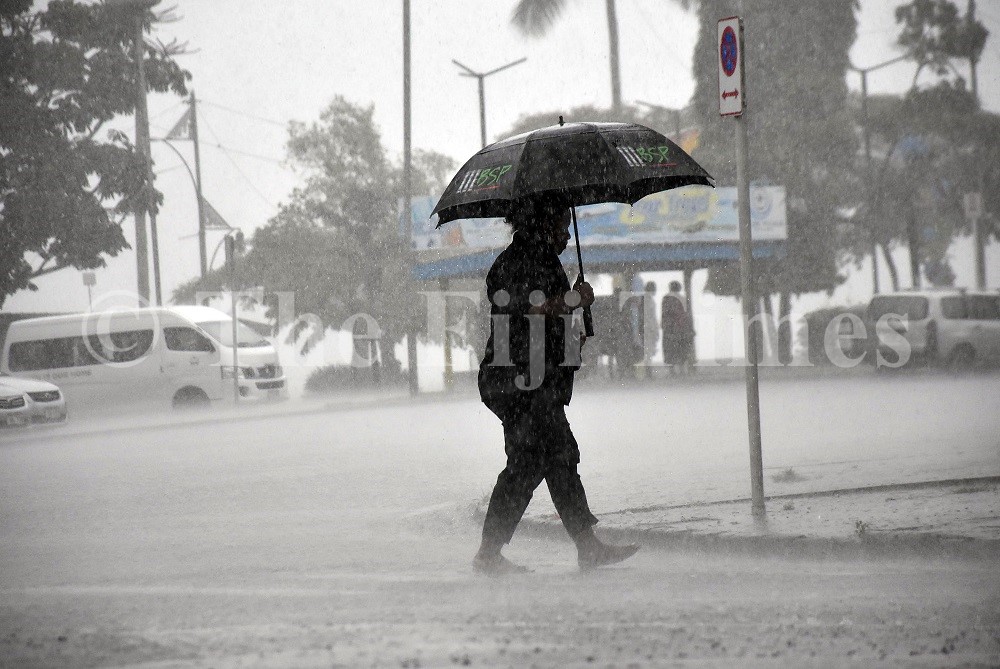
The heavy rain and flash floods on Sunday night revealed a few uncomfortable truths.
There are things we have taken for granted for far too long.
They exposed our lack of preparedness. We have grown used to reacting after the damage is done, rather than building systems and habits that would prevent the worst of it. That complacency came back to haunt us.
As the rain hammered down, roads disappeared under floodwaters. Drains overflowed, spilling muddy torrents across major highways. In many suburbs, especially those bordering waterways, debris piled high as culverts failed to cope with the volume of water.
For motorists, the experience was frightening. Centreline markings were invisible under sheets of rain, leaving drivers to guess their way forward on roads that had effectively turned into rivers. Every wrong guess was a potential disaster.
And the challenges weren’t just on the roads.
In a settlement near Lami, residents woke to the heartbreaking sight of homes inundated and belongings scattered after the nearby river burst its banks. Families spent the early morning hours salvaging what they could, shovelling mud, and collecting debris left behind by the flood.
But what happened next was even more disheartening.
As the sun rose the next day, casting a deceptively peaceful glow over the chaos, those same residents gathered piles of rubbish: plastics, torn bags, household waste. They loaded it into wheelbarrows, walked back to the very river that had flooded their homes, and dumped the trash straight into the water.
For crying out loud, what has become of our national conscience? Where are the environmental campaigns that once pushed us to care for the waterways that sustain us? What happened to the basic understanding that everything we dump into rivers will return to us one way or another, on our shores, in our creeks, or back inside our homes after the next heavy downpour?
Rubbish doesn’t vanish. It doesn’t dissolve into thin air. It travels. So when we toss it into a river, where exactly do we expect it to go? It certainly won’t float itself neatly into the Naboro Landfill! More likely, it will choke mangroves, clog drains downstream, pollute the coastline, or endanger communities we may never meet.
In the end, someone else pays for our laziness, and often, that “someone” is another vulnerable family living by another river mouth.
Clearly, our awareness campaigns are not working. If they were, we would not be seeing this level of disregard for our environment and for one another. We would see ownership. We would see pride. We would see the simple understanding that protecting waterways is not the job of government alone. It is the responsibility of each citizen, each household, each settlement.
Yes, we look to authorities for action, to repaint those centreline markings so drivers can navigate safely during storms; to clear the drains now that cyclone season (November to April) is upon us; to strengthen education campaigns in settlements near rivers; and to coordinate nationwide messaging that speaks to hearts.
But national responsibility must be met with personal responsibility. No law, no campaign, no government initiative will succeed unless people choose to care.
We live in a breathtakingly beautiful country, one blessed with rivers, streams, and coastlines that define our very identity. We are also heavy users of plastics, and that reality demands discipline. We cannot continue treating waterways as dumping grounds and then act surprised when the floods come roaring back with the very waste we tossed aside.
If Sunday night’s floods taught us anything, it is that nature remembers. And it returns everything we throw at it.
Let us protect our environment daily, deliberately, and together!

