
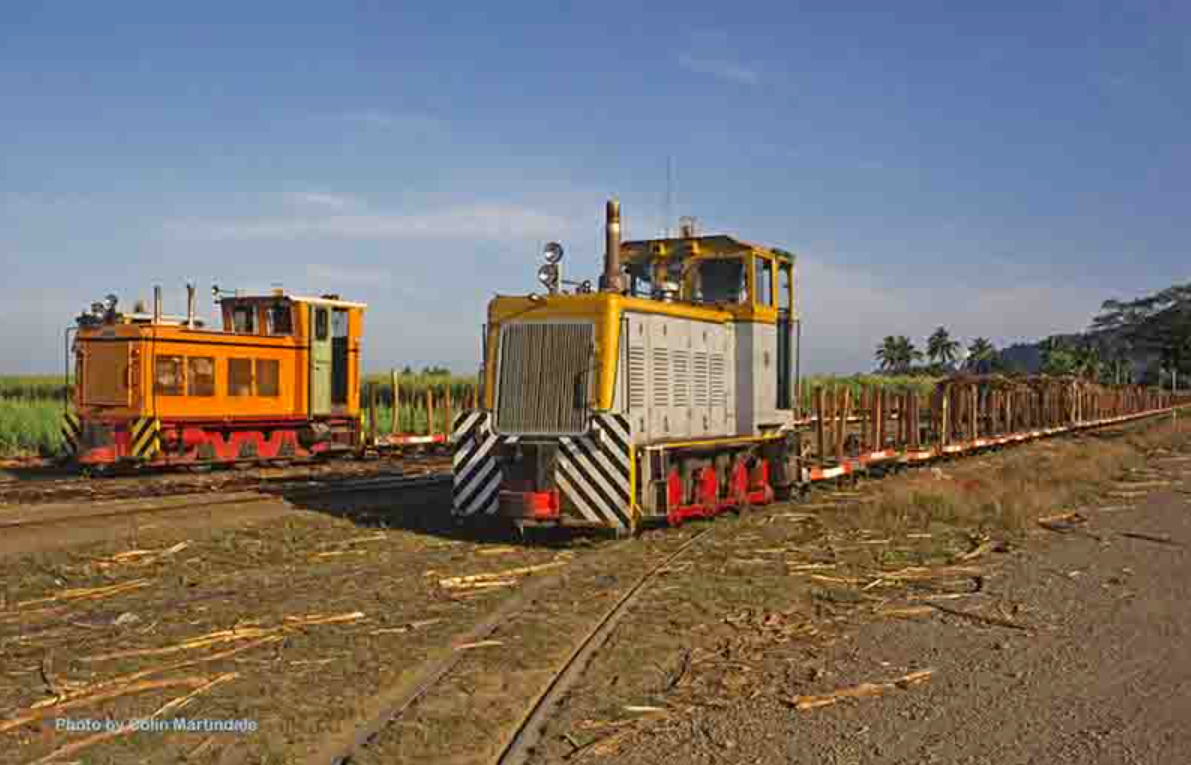
Rail transport for sugarcane has continued its steep decline, dropping to just 6% in 2024 compared with an average of 10% in 2020, according to the Fiji Sugar Corporation’s 2025 Annual Report.
At Rarawai Mill, rail contributed only 3% of total cane delivery last year.
FSC says several factors are driving the shift away from rail, including labour shortages, a growing preference for lorry transport, and the rise of mechanical harvesters, which are typically aligned with truck delivery systems.
Declining grower numbers due to lease non-renewals and migration have also contributed.
While rail use declines, mechanical harvesting continues its strong upward trend, especially in flatter cane-growing areas.
Mechanical harvesting increased from 35.2% in 2020 to 44.5% in 2024 — a rise of 9.3 percentage points.
Lautoka led the increase, climbing from 43.2% to 53.5%, while Labasa recorded the largest jump, reaching 46.5% in 2024.
Rarawai rose to 38.2% in 2023 before easing slightly to 36.7% in 2024.
FSC says the trend reflects growers’ increasing reliance on mechanisation to counter labour shortages and improve harvesting efficiency across the industry.

