

SMALL things, big impact! These words come to mind thinking about turtles, widely considered keystone species and ecosystem engineers, in efforts to maintain the balance and biodiversity of both marine and terrestrial environments.
I have a passion for protecting and preserving our environment. As a Fijian, I consider myself blessed to have grown up and enjoyed its blessings. I am now a grandfather and being a custodian of the blessings my forebears and ancestors passed down for our upkeep and sustenance, I want my grandchildren, great grandchildren and their children to enjoy the same privilege.
After having spent the most part of my working life as a Fijian/Pacific civil servant and diplomat, particularly in multilateral climate change negotiations, I recently joined the Secretariat of the Pacific Regional Environment Programme (SPREP), as the Director of Biodiversity and Conservation Program, because of the passion I have for the protection of the environment that have been adversely affected by climate change.
At SPREP, we believe a well-protected and improved Pacific environment should sustain our livelihoods and natural heritage in harmony with our cultures.
Which brings me back to turtles. Sea turtles have played a significant role in the customs and traditions of Pacific Island communities for thousands of years – and continue to do so to this day – featuring in many myths, legends, songs and traditions. I have many stories to share from my Fijian village and communities throughout our vibrant nation, and I am sure all our Pacific communities have their own stories to tell.
Sadly, the historical significance of turtles, and all the stories we have about the role they play in a healthy ecosystem and our biodiversity, could soon be a thing of the past, with revelation that all Pacific sea turtles are threatened with extinction.
Green turtles have a large and stable population in Australia, but can be considered endangered throughout the rest of the Pacific.
Six species of turtles are found in the Pacific Ocean; Leatherback, Hawksbill, Loggerhead, Flatback, Olive Ridley and the most common, Green turtle. The extinction analysis conducted by SPREP through the Pacific European Union Marine Partnership (PEUMP) By-catch and Integrated Ecosystems Management (BIEM) Pacific Project, found that the population trajectory of all species of turtles is worse than expected.
The main threats to turtles are overharvesting and bycatch in fisheries, however, other areas of concern are coastal development, invasive predators and climate impacts In recent decades sea turtles have been subjected to increasing pressure as customary practices have eroded, their popularity in commercial markets has increased, and/or a lack of alternatives for food security has become more apparent.
Bycatch in artisanal and commercial fisheries continues to be a major source of mortality and climate change threatens important nesting and feeding areas, along with sea turtle reproductive biology. These threats are so pervasive current trajectories show populations being driven to extinction with the Leatherback turtles potentially extinct within 30 years.
To say that we are extremely concerned about this development is an understatement.
Marine turtles are a key part of culture, traditions going back centuries, they are spiritually important for many people. The loss of these iconic species means our future generations would only hear the stories and not get to experience the majesty of these amazing creatures.
But there is more to it than the loss of culture and historic significance. The decline and ultimately the threat of extinction is intrinsically linked to broader biodiversity loss.
In the Pacific, we cannot sit back and allow this to happen. Pacific biodiversity is amongst the richest and most unique in the world. It is home to 25 per cent of the world’s coral reefs, and 3 per cent of the world’s mangroves.
The Pacific Ocean is also home to nearly half of the world’s whale and dolphin species, as well as many species of sharks, rays, etc. This diversity of species bring value into the region by attracting tourists, which account for more than 20 per cent of GDP in some Pacific island countries.
Our marine biodiversity not only feeds our Pacific communities, but the rest of the world. Approximately 70 per cent of the world’s tuna catch is from the Pacific Ocean, and most of the protein in the diet of Pacific islanders is from near-shore pelagic, reef, and lagoon fisheries. Wetlands also provide habitats that support many species, including turtl
By now we hope you can understand just how important it is for us as Pacific communities, custodians of our environment and oceans, to protect turtles and ultimately our Pacific biodiversity.
Turtles are keystone species in ecosystems, and their disappearance will have cascading negative effects on other species, ecosystem health and resilience to the impacts of climate change.
We need to act fast, and we need to act now. So what can we do, and where do we start?
I believe we all have a role to play, and every one can help.
In our home communities, we can start by protecting breeding females on the beaches, this is imperative. We can also reduce the taking of eggs and nestlings to support increased productivity and protect nesting sites from other predators such as dogs. And we need to reduce by-catch in fisheries, support from fisheries managers particularly through the Western Central Pacific Fisheries Commission is key. Moreover, avoiding targeted killing of turtles particularly those that have been tagged for protein or pleasure is our collective responsibility.
At the national and regional level, many Pacific countries have developed or are working on national plans of Actions for Turtles. These are needed to drive key policies to protect turtles and allow their populations to recover, supported by public awareness campaigns.
Small things, big impact; I ask that countries work individually and together to address the drivers of turtle decline. The loss of a single species will lead to the collapse of the entire ecosystem.
Let us hear the alarm bells and do what we can to save our turtles and save our Pacific biodiversity! Vinaka saka!
AMENATAVE YAUVOLI is the Director of SPREP’s Biodiversity Conservation Program and its Fiji Office. A seasoned Fijian/Pacific civil servant and diplomat, Mr Yauvoli graduated with a Bachelor of Arts in Economics and Management from the University of the South Pacific (USP) in 1988, a Master of Commerce (Honours) in Development Economics from the University of Wollongong, Australia in 1996. He has contributed enormously to public policy discourses for Fiji and the Pacific region in the areas of finance, trade, climate change, and sustainable development. The views expressed in this article are his and do not necessarily reflect those of this newspaper.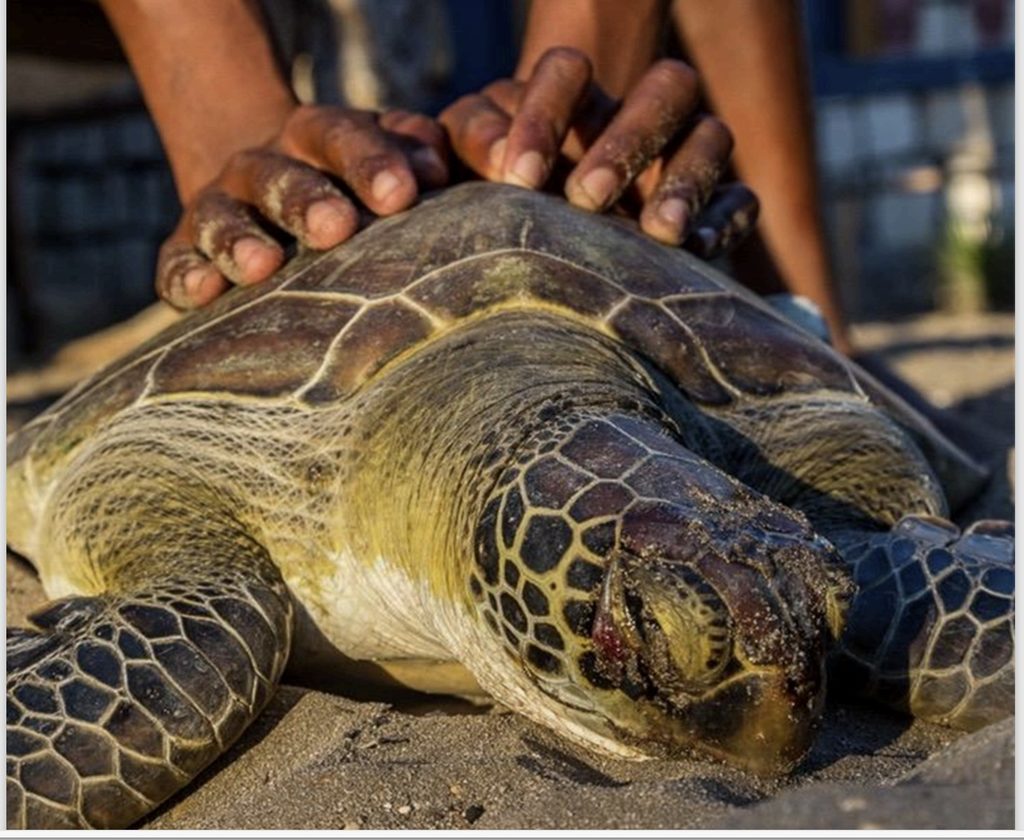
Turtles are keystone species in ecosystems, and their disappearance will have cascading negative effects on other species, ecosystem health and resilience to the impacts of climate change, says the author. Picture: SUPPLIED

