
What can be done locally?
Local efforts could save thousands from sight loss each year
Blindness remains a major but largely preventable public health challenge across Fiji and the wider Pacific. With stronger local action, early detection, and community involvement, thousands of Fijians could retain their sight every year. According to regional studies, up to 80 per cent of blindness in the Pacific is preventable or treatable.
In consonance with Fred Hollows Foundation NZ, Fiji’s blindness rate is estimated at 2.6 percent of the population. Diabetes, which affects nearly 18 per cent of Fijians, is one of the leading causes of vision loss. Cataract, diabetic eye disease, and uncorrected refractive errors remain the most common and preventable causes of blindness in the region.
Early detection and awareness are the keys
Eye health professionals emphasise that the most effective way to fight blindness is through early detection and consistent public education. Regular eye check-ups can identify problems before they cause permanent damage.
Many patients seek help only after their vision has already deteriorated. Regular eye examinations — ideally once every year — could prevent most cases of avoidable sight loss.
Eye care should be treated as routinely as checking one’s blood pressure.
Simple measures such as community eye screenings, school vision tests, and village awareness campaigns can help identify problems early — before vision loss becomes permanent.
Community eye screenings, school vision tests, and awareness campaigns in rural areas are proven strategies.
Local health centres and outreach teams can play a vital role in bringing these services closer to people who may otherwise not access them.
Building local capacity for eye care
Across the Pacific, several countries are investing in training local eye health professionals to reduce dependency on visiting foreign medical teams. Institutions such as the Pacific Eye Institute and Fiji National University are equipping nurses and doctors with the skills to perform sight-saving surgeries and provide quality eye care. However, experts warn that many eye clinics in smaller islands lack essential equipment.
Affordable procurement of second-hand ophthalmic machines and basic diagnostic tools — combined with local maintenance training — can dramatically expand capacity.
Community partnerships matter
Local outreach remains vital. Village health workers and organisations, teachers, and church groups are increasingly recognised as key partners in preventing blindness.
These networks are well-placed to identify people with vision problems early and refer for treatment, especially in rural and maritime communities.
Vision for the future
Preventing blindness goes beyond restoring sight — it enhances livelihoods, supports children’s education, and strengthens families and communities by improving productivity and quality of life.
Regional research indicates that cataract surgery and other eye-care interventions provide some of the highest health and economic returns on investment in the Pacific.
As Fiji and other Pacific nations continue to strengthen their health systems, experts emphasise that eye health must remain a national priority.
Ending avoidable blindness in the Pacific requires commitment at every level — from government policy to village leadership — to ensure that no one loses their sight needlessly.
Preventable blindness is not only a medical concern but a community responsibility; by taking action locally, the Pacific can ensure its people not only see a brighter future but have the vision to witness it.
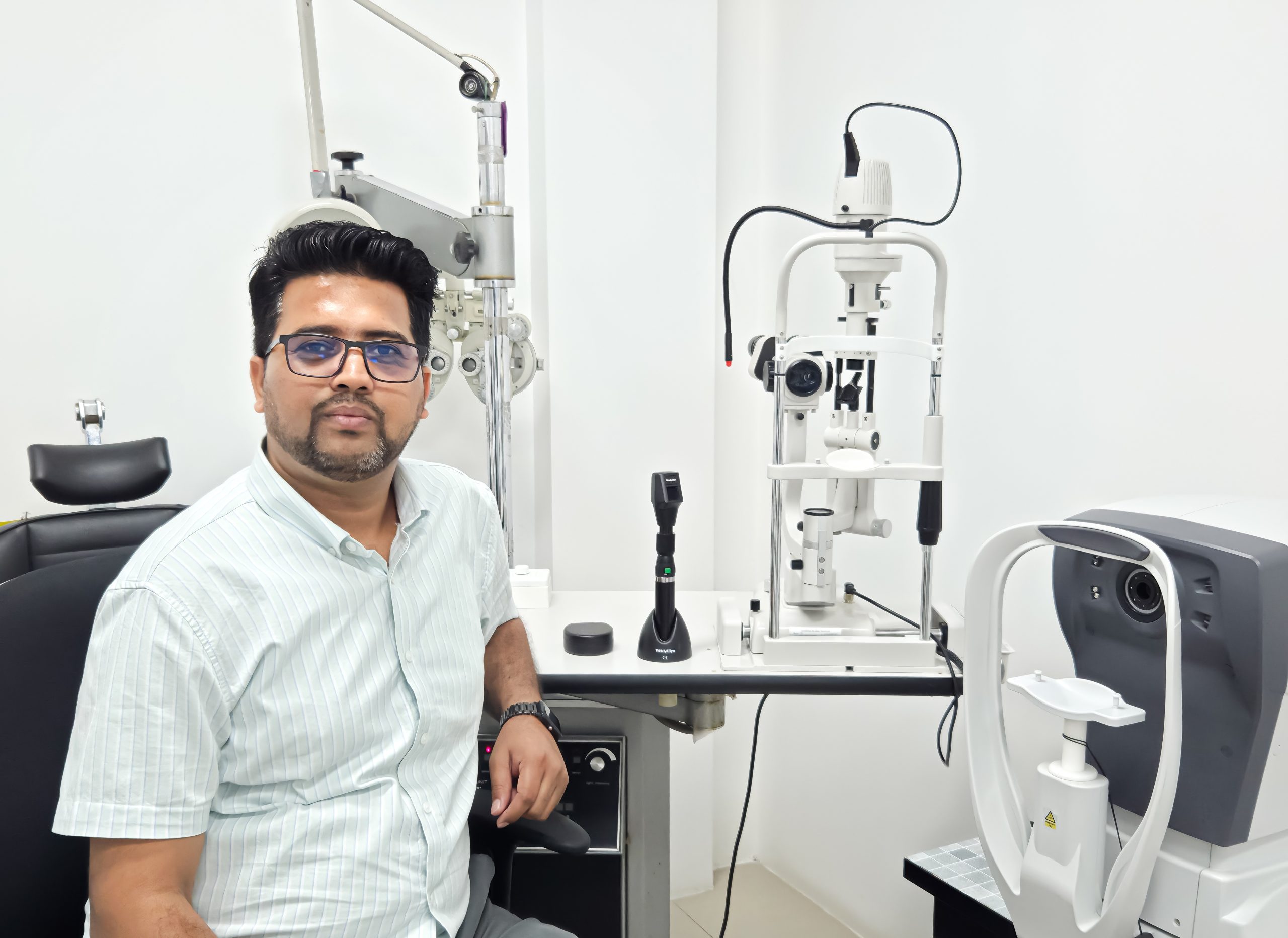
Dr Bikash Gyawali is consultant optometrist and public health expertise at Asgar Optometrist Eye Clinic, Nadi, Fiji

