
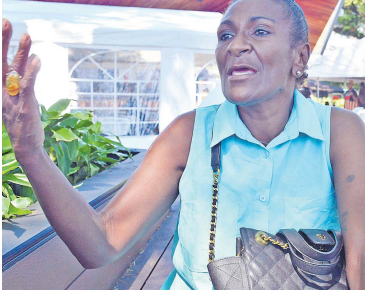
A WOMAN living with HIV is pleading with Fijians to take the disease seriously and take action to protect their lives and those of their loved ones.
Margaret Seduadua, 46, said as numbers of those afflicted with the illness continue to surge, she said she noticed complacency as well as indifference in the attitude of people response to HIV/AIDS.
“When we were first diagnosed about a decade back, a group of us were scared to go out partying,” she said.
“We were very careful and made sure that we didn’t infect anyone else with HIV.
“But now, we are seeing the young people freely enjoy themselves, they seem not to care about the spread of HIV and that is the very reason of the increase in cases Fiji. Now with drugs among our people who spread it through the use of syringes, it is even more scary – so I am pleading with parents to protect their children.”
The mother of three contracted HIV from her late husband who died in January last year. Her youngest son died two months ago to pneumonia, and said losing members of her family has been a painful experience. Living with HIV, she said at the World AIDS Day celebration held in Suva yesterday, has been a challenge but the family support and love received over the years has helped her faced every new day.
“But I have had to move on and raise awareness with my own family members. There was very little awareness in the early 2000 and people used to say that we, the infected ones, cannot share the same bathroom or toilets with the non-HIV family members.
“In my time when I was told of my condition, I was scared.
“I wanted to commit suicide because I didn’t know what HIV was about and its impacts.
“But now that has changed, and I thank God for all our stakeholders, including the Ministry of Health that has increased awareness.”
Australian High Commissioner Peter Roberts said since the declaration of the HIV outbreak, the Australian Government has been able to respond to the priorities that Fiji has set out.
“So through the Australia-Fiji Health Program, we’re equipping laboratories across Fiji with biomedical equipment to enhance Fiji’s ability to detect and manage HIV and syphilis. This equipment, which we’ll hand over today (yesterday), will support frontline health workers to deliver accurate and timely healthcare.”
About 27 people have lost their lives from HIV in the first six months of this year, with 19 from the Central Division, followed by the Western Division with eight, and one death in the North.
l Editorial Comment: PAGE 8

