
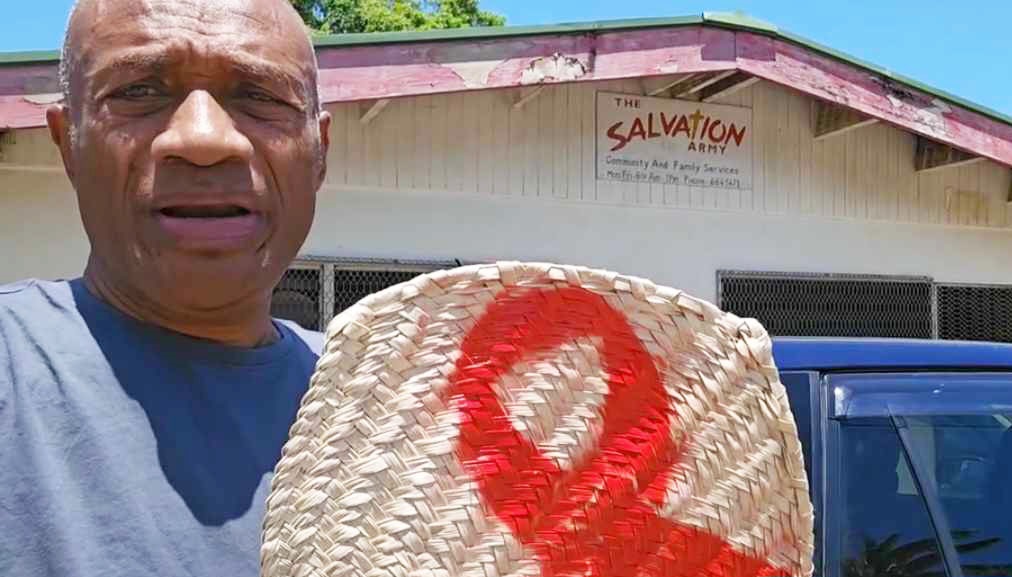
For nearly two decades, Temo Sasau has lived openly with HIV — not for recognition, he says, but because remaining silent is costing lives.
“I didn’t want fear to cage me; I didn’t want stigma to control my life,” he said.
Although treatment and awareness have improved over the years, Mr Sasau believes stigma remains the greatest barrier for people living with HIV.
“The virus isn’t the hardest part. What hurts most is the stigma. People still judge before they understand.”
Sharing his journey, he said many Fijians still hold outdated fears about HIV, pushing people away from testing and treatment.
“Some still whisper behind your back. Some distance themselves. That’s what keeps people quiet, and when they stay quiet, they don’t get tested.”
After he tested positive, he said he felt judged and isolated because of widespread misconceptions.
“There were days I felt completely alone. Some people treated me like I was dangerous. They didn’t want to come near me. That was the hardest part.”
Those experiences, he said, reshaped him and taught him to rebuild his life around resilience, not despair.
“I chose to rethink my perspective and rebuild my strength. I refused to let discrimination break me. And today, I’ve risen above it.”
One of the most meaningful parts of his journey is seeing people who once discriminated against him change their attitudes.
“Some of the same people who judged me back then are now my biggest supporters. They’ve seen that HIV doesn’t define who I am.”
Mr Sasau says he will continue to speak openly, because every conversation and every challenge to stigma brings Fiji closer to compassion and understanding.
“If my story helps even one person get tested, seek treatment, or feel less alone, then it’s worth it.”
He hopes Fiji will move toward a future where people living with HIV are supported rather than judged.
“At the end of the day, we all deserve dignity, and I will keep using my voice until stigma is no longer part of our story.”

