
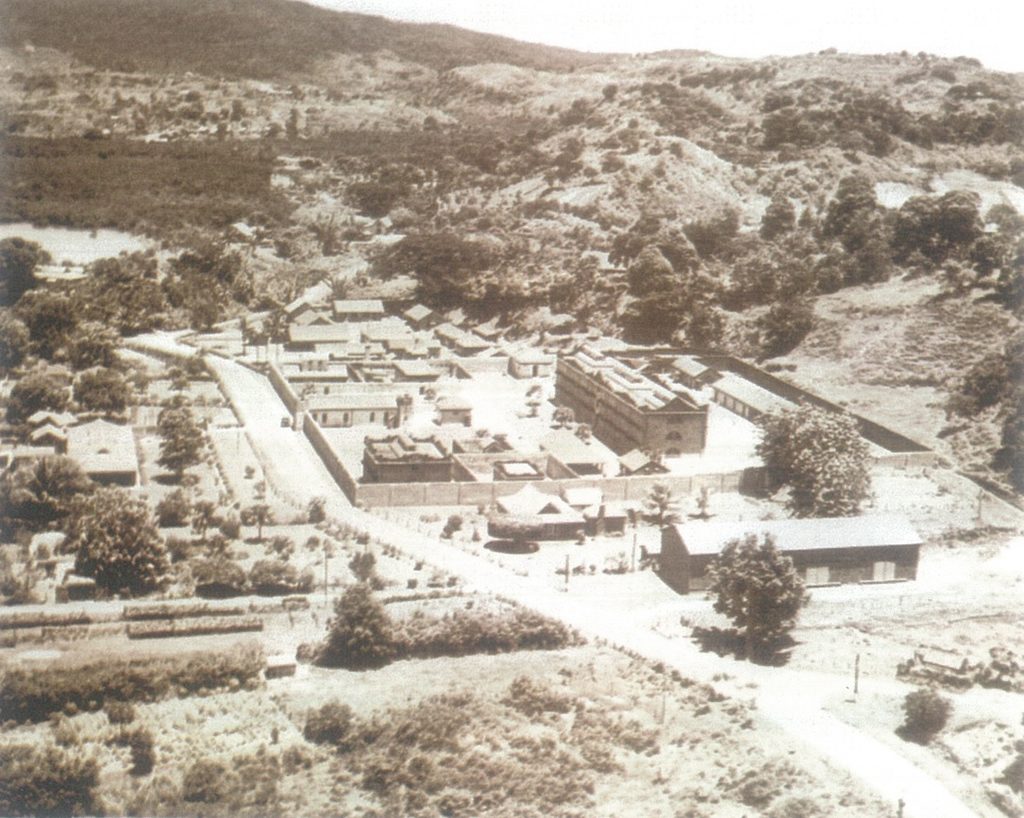
During the days of colonial rule, there was something called the ‘Fiji Blue Book’.
It was a directory of sorts, containing a list of all government appointments.
This week’s Discovering Fiji story is centred on a name entered in the Fiji Blue Book belonging to a female called Parbotti.
Her real name was Padam Kaur.
According to Google searches, she was the Female Warder at Suva Gaol from January 1, 1898 to 1901.
We pick up the story this week when Parbotti aka Padam Kaur decided in her heart to leave Rakiraki and travel to Suva with her son Bere Singh to negotiate the quick release of her husband, Ram Chander.
He was earlier sentenced to 15 years for an arson attack framed by his sardar Dost Mohammed and served time at the Suva Gaol.
Badri Maharaj, (who later became the first Indian member of Fiji’s Legislative Council and the founder of the first school for Indian children, at Wairuku in Rakiraki) masterminded Kaur’s escape from Penang Estate.
Maharaj was helped by Ratu Jone Madraiwiwi, the father of Ratu Sir Lala Sukuna, who was the Roko Tui Ra at the time.
It is believed that one night, Maharaj and five locals snuck Kaur and her two-year-old son out of the plantation.
“The Fijians belonged to the local villages and knew all the walking trails from the Penang Plantation to the Nanukuloa wharf,” says the book Fiji: A Love Story (Memoirs of an Unconventional Diplomat).
“They hurried through the night, avoiding the main road and using side tracks through the cane fields. They made it just in time to get Padam Kaur on the boat “Adi Rarogo” which was leaving for Suva.”
Kaur arrived in Suva the next day with a letter that had been written by Maharaj and signed by a majority of the Indians who worked at Penang Estate.
The letter vouched for Chander’s innocence and called for his release because charges which led to his imprisonment were baseless.
In her search for help in Suva, Kaur had a chance encounter with a Roman Catholic missionary called Brother M. Columba who was known to have empathy for Indian labourers and the difficulty they were facing.
In fact, he had started a school in Suva to help teach the children of indentured labourers.
Brother Columba listened to Kaur’s story and plea for help. He gave her shelter, food and promised her ‘assistance in her quest for justice’.
It did not take long before Brother Columba’s kindness to Kaur paid off – Kaur decided to accept the cross and convert to Christianity.
From that day on, Padam Kaur was given a new name and was called “Parbotti”.
While Parbotti knocked on Suva’s doors for help in the release of her husband Chander, the prisoner had already started lobbying for release ‘from inside Suva Gaol’.
He petitioned for his release through a letter drafted in his own handwriting and dated sometime in September 1890.
Eighty-five years later (1975) Chander’s letter was discovered in the National Archives of Fiji. Due to the ageing process and Fiji’s humid conditions, certain parts of the letter were not eligible.
The letter was written in a particular Hindi dialect spoken around Agra called Braj Bhasa.
The translated visible part of the letter read:
“Sir,
With folded hands and in great helplessness and wretchedness, I offer my salutations to you…I am in great tribulation that in the Queen’s Raj a plot should have been obtained me such punishment…I cannot conceive up to this moment how falsehood could have prevailed over me…”
The letter was sent to the Attorney-General, who was the Governor’s legal advisor but the AG saw ‘no substance in the pleadings of the petitioner’ and he fully agreed with the sentence. Chander remained a prisoner.
In the meantime, Parbotti ‘moved around Suva’ lobbying for support in Chander’s case.
“She was resourceful, showed courage and determination in spite of the many disappointments and dashed hopes,” notes Fiji: A love story.
“Over the next two and a half years, Parbotti persisted in pleading her husband’s case to a host of people, officers of the Colonial administration, lawyers and well-meaning individuals, who could help in her quest to get her husband released.”
An English officer that offered her assistance and even found her a job was H.J.Milne, the Superintendent of the Depot for Immigrants.
This article was first published in The Sunday Times on July 10, 2022
It is written based on the autobiography, Fiji: A Love Story (Memoirs of an Unconventional Diplomat) by Ajay Singh who was India’s High Commissioner to Fiji between 2005 and 2007 and a former sub-editor of The Fiji Times. He was also an Indian politician and minister. Ram Chander and Padam Kaur (later Parbotti) were Singh’s great-grandparents. The book was completed posthumously by his close friend Professor Mahavir Singh.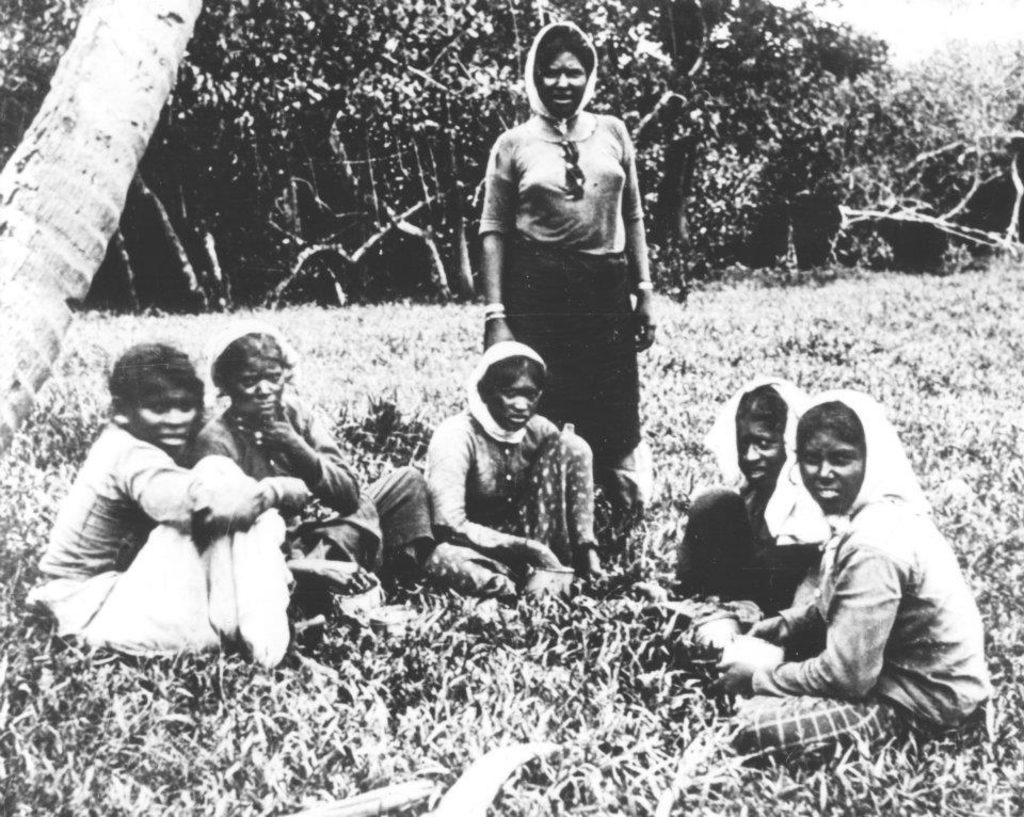
Women indentured labourers take a break from work.
Picture: FIJI MUSEUM
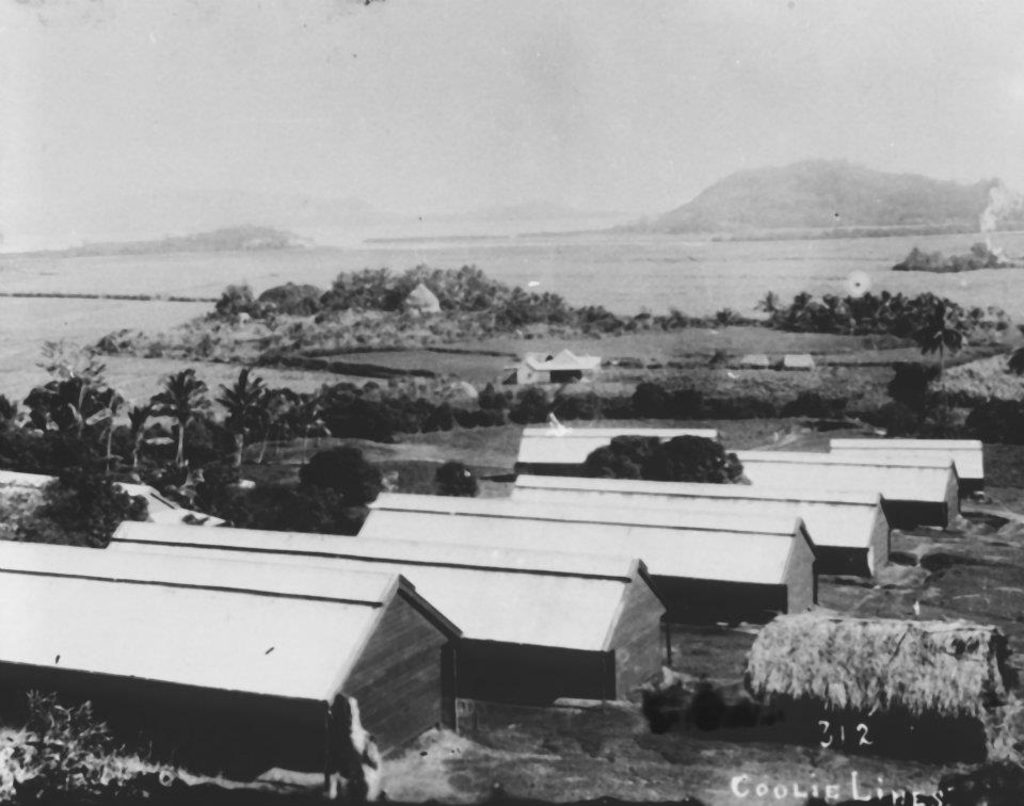
The coolie lines on a sugar plantation, where indentured labourers lived. Picture: FIJI MUSEUM

