
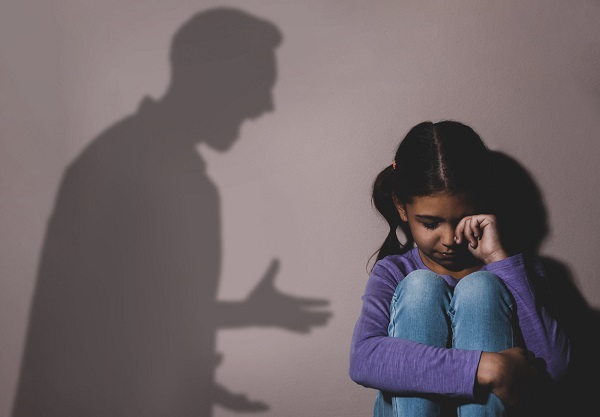
New data released during the national symposium on child sexual abuse in Fiji will undoubtedly attract widespread attention. It is a major national concern demanding urgent attention and scrutiny.
The data, compiled by the Fiji Police Force, reveal that child sexual abuse remains the most pervasive crime committed against children in the country, with a staggering 4159 cases recorded between 2020 and 2024.
The figures paint a grim picture. Sexual offences have consistently been the largest category of crimes involving child victims over the past five years, reflecting not just isolated incidents but a deeply entrenched societal problem. The data also confirm a painful truth: girls continue to bear the brunt of this violence, making up more than 70 per cent of all abused children annually.
Minister for Women, Children and Social Protection, Sashi Kiran, said the trend mirrors a persistent pattern of gendered violence that requires urgent, coordinated intervention. Across all crimes involving children, girls continue to account for the overwhelming majority of victims. Sexual offences, she noted, make up the bulk of the trauma they endure.
Children aged 13 to 17 remain the most at-risk group, accounting for more than 60 per cent of annual cases. Vulnerability, the minister explained, intensifies during adolescence, when young people face heightened risks of grooming, exploitation, and intimate partner violence, often at the hands of much older perpetrators.
Disturbingly, five per cent of all cases involve infants. That alone should shake the conscience of every Fijian.
The burden of victimisation also falls disproportionately along ethnic lines. “iTaukei children account for the vast majority of sexual abuse victims, with more than 1000 cases annually since 2022,” Kiran said, adding that Fijian children of Indian descent make up the second-largest group.
These numbers form part of an ongoing review of Fiji’s national child protection systems, a review that government agencies insist must shift from reactive, after-the-fact responses to robust and strategic prevention measures. And they are right.
This is serious. What in the world is happening here? Where are we headed as a nation when our children continue to be exploited, violated, and failed? When we examine the numbers from 2020 to 2024, one question becomes unavoidable: Why were we not doing more, sooner, and with greater urgency? And if efforts were underway, why were they not strong or visible enough to turn the tide?
Where do we go from here?
The conversation cannot remain confined to symposium halls and policy documents. It must extend into every corner of society, into our villages, settlements, communities, schools, faith groups, workplaces, and the vanua. It must begin at home, within the family, where protection should be strongest. And it must matter to each and every one of us. We cannot afford apathy.
What we see in this data is a haunting picture of vulnerability. A picture of a young population being failed, harmed, and silenced. It is heartbreaking. And it reflects poorly on who we are, or who we claim to be, as a people.
There must be accountability. Children must be protected not only by laws but by collective moral responsibility. Parents and guardians must play their part. Communities must speak out. Institutions must act. And the law must come down heavily on anyone who dares abuse a child.
We must draw a firm line in the sand. Our response must be unified, uncompromising and unwavering.

