
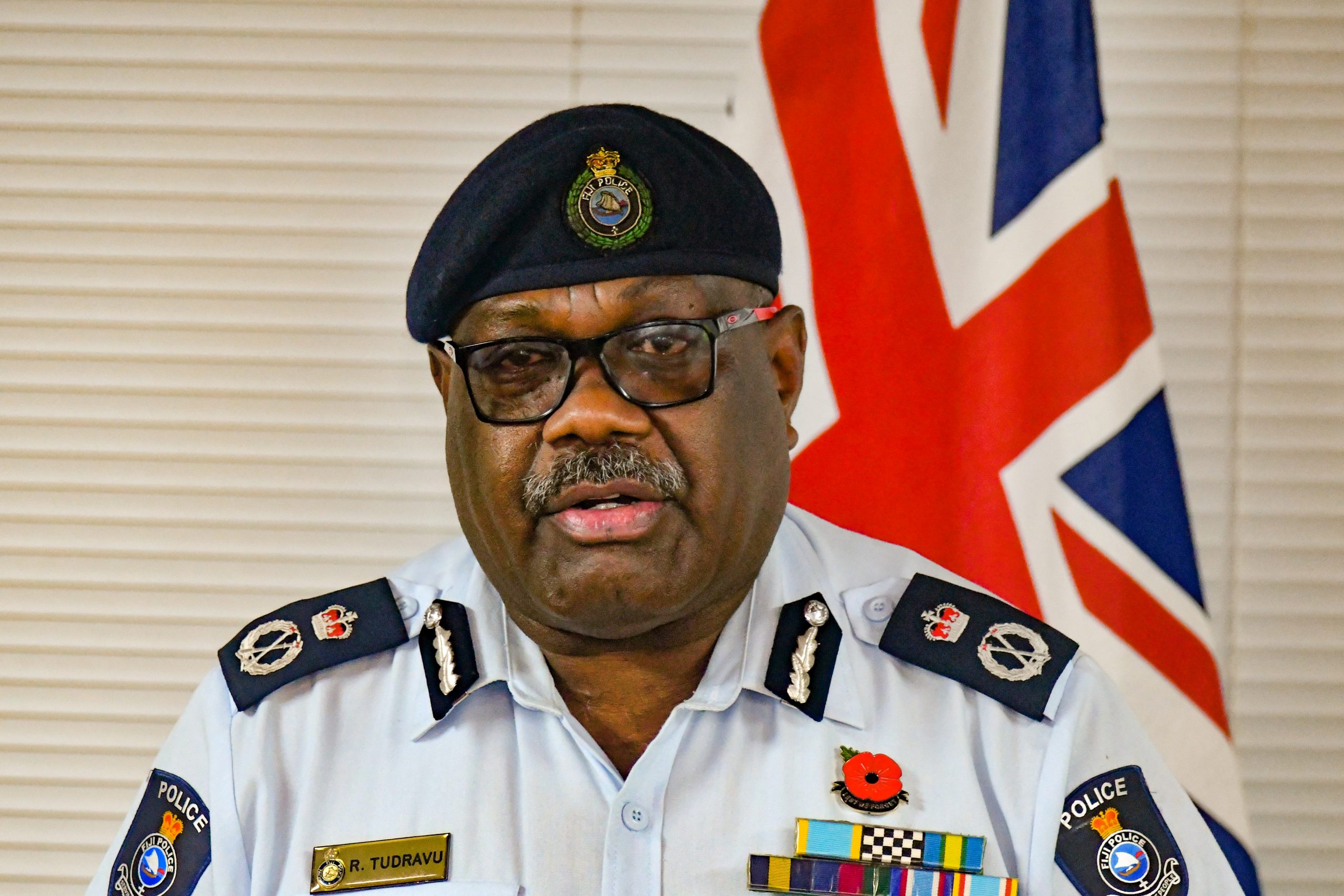
Police Commissioner Rusiate Tudravu has issued a strong warning: police officers who break the law will be taken to court, and the organisation will not shield anyone from accountability.
This stance deserves recognition. Considering the role of police officers as guardians of the law, this approach is sensible and essential.
The commissioner emphasised that taking officers to court shows “we are true to what I’ve been saying”, reinforcing the message that corrupt behaviour within the force will not be tolerated. “If police officers do not toe the line, then they’ll face the consequences,” he said. The clarity and firmness of that message leave little room for misinterpretation.
Mr Tudravu highlighted an important point about the investigative process: any case must begin with proper reporting. He urged members of the public to lodge official complaints if they face misconduct. “It is always better to have an official complaint. The investigation process requires it, and it gives us a formal starting point. Taking a case to court requires a formal complaint and strong evidence.”
His comments come at a time when several police officers are already before the courts facing allegations of involvement in the trafficking and sale of illicit drugs such as methamphetamine. These cases have cast a shadow over the reputation of the Fiji Police Force and shaken public trust. They also reaffirm why stronger internal scrutiny and firm disciplinary action are needed.
The reality is that the work and life of police officers are not for the faint-hearted. They operate in environments where pressure is constant, where split-second decisions matter, and where public trust sustains their authority. This makes integrity a non-negotiable requirement.
When police officers are implicated in wrongdoing, particularly serious crimes such as drug dealing, the consequences go far beyond the immediate cases. It erodes public confidence, weakens the moral authority of the uniform, and undermines the very laws officers are sworn to uphold. That is why the commissioner’s firm stance must be backed by consistent enforcement, transparent processes, and a willingness to confront uncomfortable truths within the institution.
The public naturally holds high expectations of police officers. There is an expectation that officers will conduct themselves with honesty, professionalism, and respect for the rule of law. There is an expectation for them to be paragons of discipline, especially when the rest of society appears to be struggling under the weight of social challenges. When everyday citizens feel vulnerable, whether due to crime, disorder, or uncertainty, they look to police officers to provide reassurance, stability, and protection. That trust is a privilege that must be earned continuously and defended fiercely.
This is why accountability is not an attack on the force. It is a shield that protects its credibility. Transparent investigations, open channels for complaints, and the willingness to let the law take its course strengthen the institution. They signal that policing is a profession rooted in integrity.
We must acknowledge that the majority of men and women in uniform work tirelessly and honourably. But it is equally important to recognise that a few rogue officers can tarnish the image of the force. Removing those who betray the public trust is a national imperative.
To that effect, we say the commissioner’s message should mark a turning point. Accountability must not be seasonal. It must not be reactive. It must be embedded in the culture of policing. We need a police force that stands tall, wins respect through its actions, and remains unwavering in its duty to the law.

