
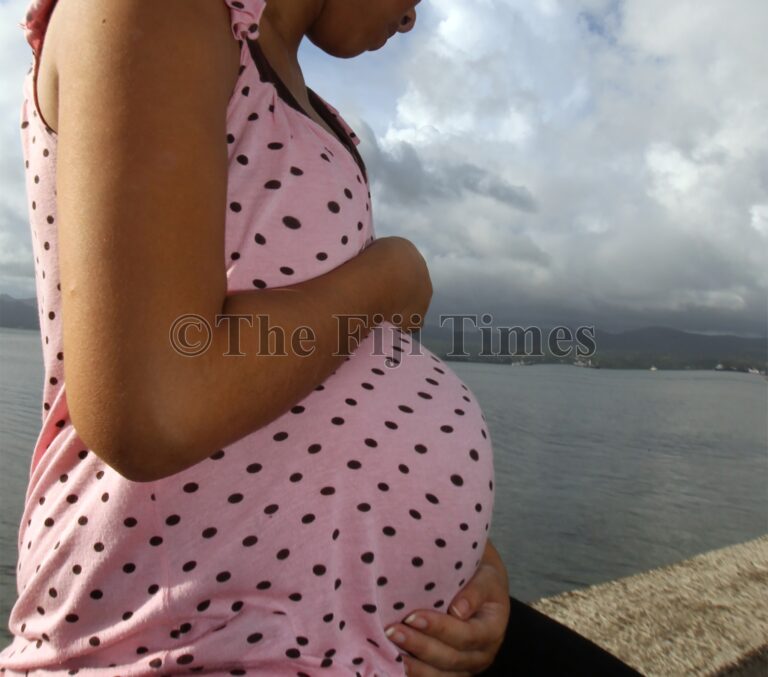
Assistant Health Minister Penioni Ravunawa has warned that if the teenage pregnancy crisis in the country is not addressed, the numbers will exceed those recorded in the past two years.
He told Parliament yesterday there was an urgent need for coordinated action to arrest the escalating increase, saying complacency could lead to serious social and health consequences for young mothers.
Citing figures for the first five months of the year, Mr Ravunawa said hospitals nationwide recorded 489 pregnancies among underaged girls, including eight below the age of 15, and that two years ago hospitals recorded 519 teenage pregnancies, including 15 girls under the age of 15 and 504 aged between 15 and 19.
“In 2024, the figure nearly doubled to 858 cases with 17 under 15 and 841 aged 15 to 19.”
Mr Ravunawa said the figures reflected not just a health issue but one of social justice.
“These are not just numbers, they are children, some only 12 or 13 years old, forced into motherhood long before their bodies, minds, or hearts are ready.”
He said teenage pregnancy was closely linked with HIV and other STIs, as unsafe and abusive sexual encounters placed young girls at risk.
The minister noted that abuse and statutory rape also involved perpetrators who were often family members or trusted community leaders, taking advantage of vulnerable girls.
It also involved “gender-based violence, where power and control are used to silence victims” and “poverty, which both drives and deepens this crisis, trapping young mothers and their children in cycles of deprivation”.
Mr Ravunawa said when a girl becomes pregnant as a teenager, her chance of completing education plummets.
“Her ability to secure meaningful employment shrinks. Her health risks increase, with higher maternal complications. Her dignity and future are diminished — not because of her failure, but because society failed to protect her.”
He said to solve this crisis, “we must be brave enough to confront the hard truths”.
Mr Ravunawa said abuse was often hidden under a cloak of silence, “families afraid of shame, communities unwilling to confront, and victims too young to even understand what had happened to them”.

