
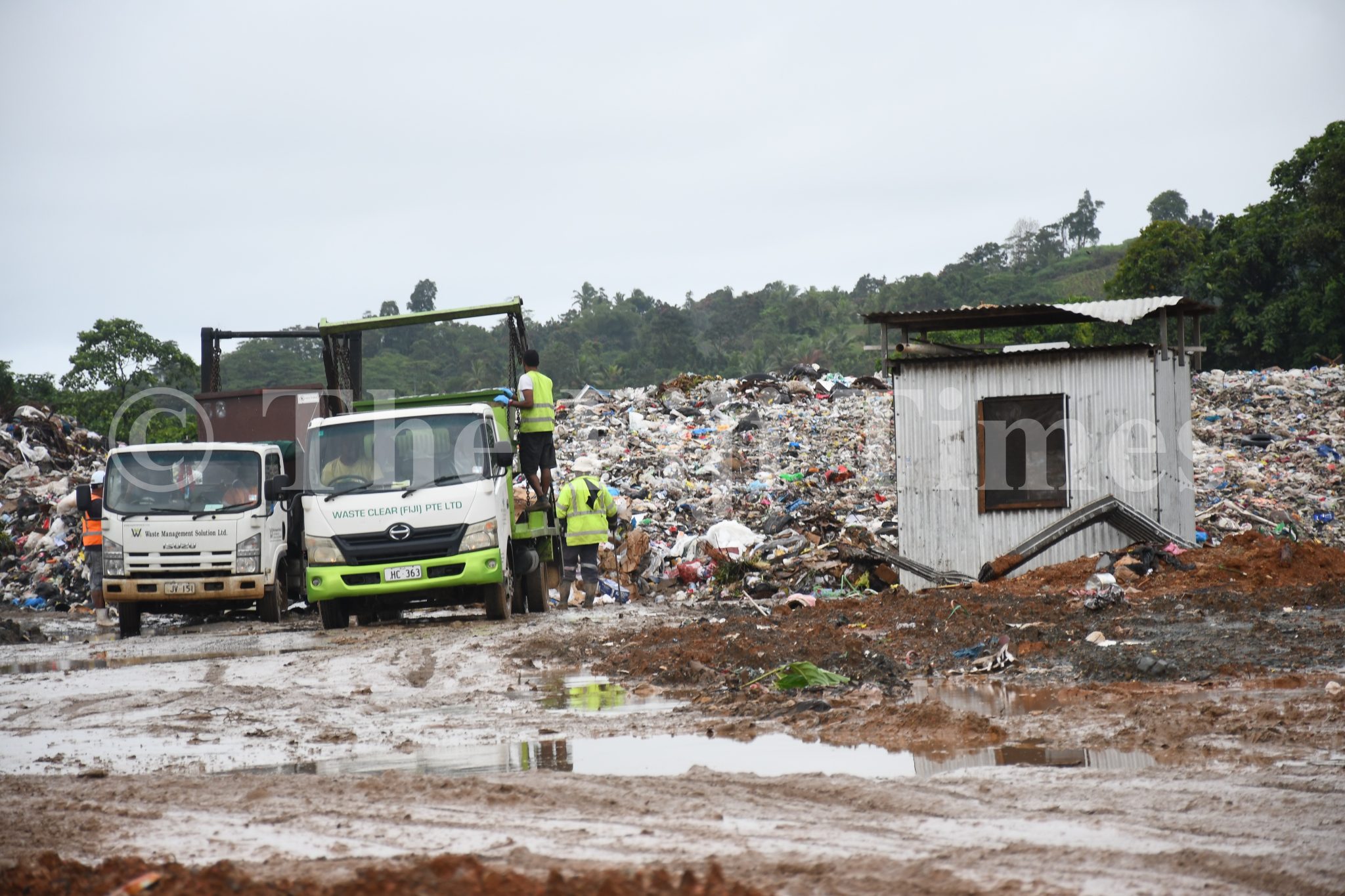
Fiji produced a total of 199,263 tonnes of solid waste in 2024, marking an increase of 8,875 tonnes compared to the previous year, according to the Fiji Bureau of Statistics’ (FBoS) newly released Experimental Environmental Account for Solid Waste.
The report shows that the largest portion, 166,996 tonnes, was general waste, while green waste accounted for 11,151 tonnes, and special waste totalled 21,116 tonnes.
The increase in total waste was largely driven by a 6,863-tonne rise in general waste, along with 1,957 tonnes more of special waste and 55 tonnes more of green waste compared to 2023.
Most of the waste collected in 2024 was disposed of in landfills, amounting to 144,336 tonnes or 72.4% of the total.
Meanwhile, only 477 tonnes (0.2%) were recycled, and 54,450 tonnes (27.4%) were incinerated.
The Manufacturing sector was the leading contributor to industrial waste generation, producing 25,696 tonnes (12.9%). It was followed by Transport & Storage – 18,050 tonnes (9.1%), Wholesale & Retail – 14,062 tonnes (7.1%), Public Administration & Defence – 10,323 tonnes (5.2%) and Accommodation & Food Services – 9,471 tonnes (4.8%).
The release of the environmental account reflects Fiji’s commitment to improving waste data collection and analysis as part of its broader environmental sustainability and green growth efforts.
FBoS says the data provides an important baseline to help policymakers, industries and communities better manage waste, reduce environmental harm, and boost recycling initiatives in the years ahead.

